champaña
“champaña” means “champagne” in Spanish (sparkling wine from the Champagne region or similar).
champagne
Also: sparkling wine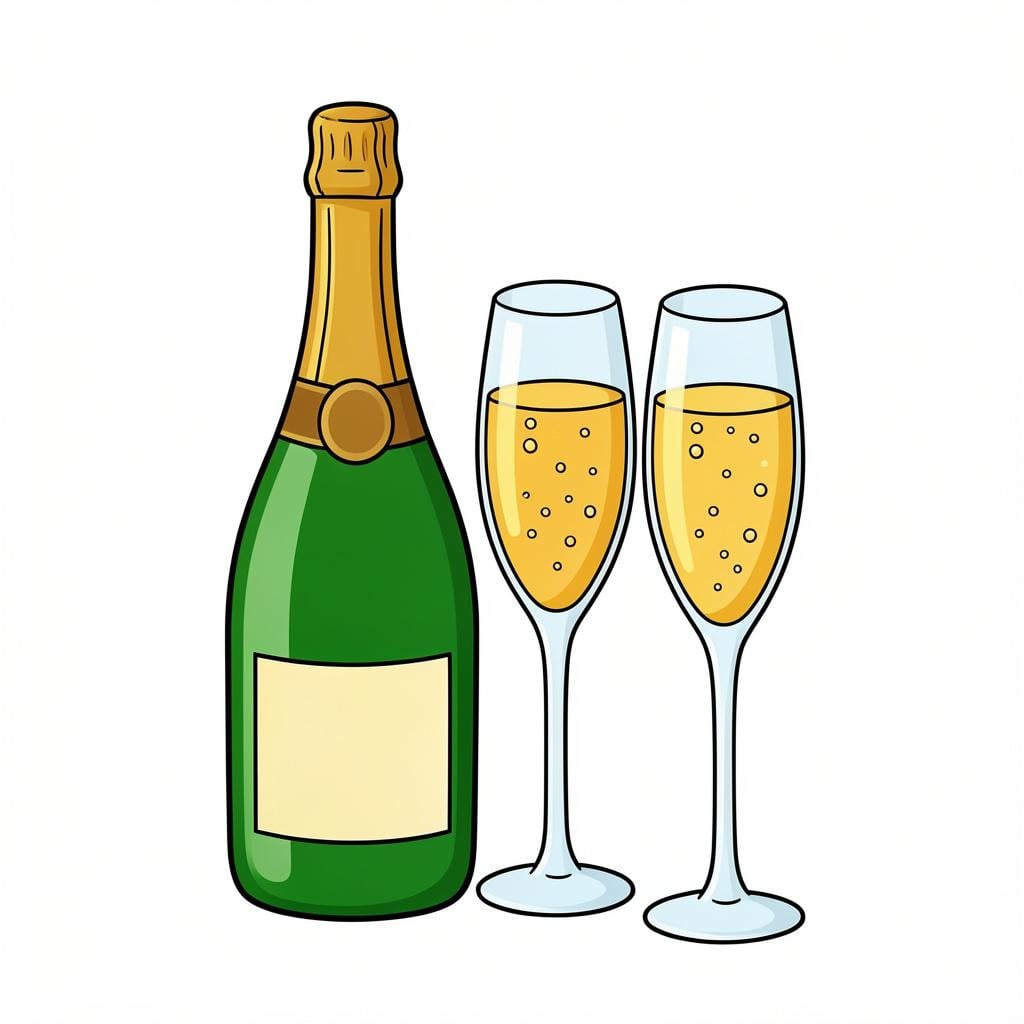
📝 In Action
Abrimos una botella de champaña para celebrar su cumpleaños.
A2We opened a bottle of champagne to celebrate her birthday.
La champaña estaba muy fría y deliciosa.
A2The champagne was very cold and delicious.
Sirvieron champaña en copas altas durante la boda.
B1They served champagne in tall glasses during the wedding.
Translate to Spanish
Words that translate to "champaña" in Spanish:
sparkling wine→✏️ Quick Practice
Quick Quiz: champaña
Question 1 of 2
Which article should you use with the word 'champaña'?
📚 More Resources
👥 Word Family▼
🎵 Rhymes▼
📚 Etymology▼
From the French word 'Champagne', which is a region in France famous for producing this specific sparkling wine.
First recorded: 19th century
Cognates (Related words)
💡 Master Spanish
Take your Spanish to the next level. Read 200+ illustrated and narrated Spanish stories tailored to your level with the Inklingo app!
Frequently Asked Questions
Is 'champaña' the same as 'champán'?
Yes, they both refer to the same drink. 'Champaña' is feminine and 'champán' is masculine. Both are widely accepted, though usage varies by region.
Can I use 'champaña' for any sparkling wine?
In casual conversation, many people use it for any wine with bubbles, but strictly speaking, it refers only to the wine from the Champagne region of France.