chaval
“chaval” means “boy” in Spanish. It has 2 different meanings depending on context:
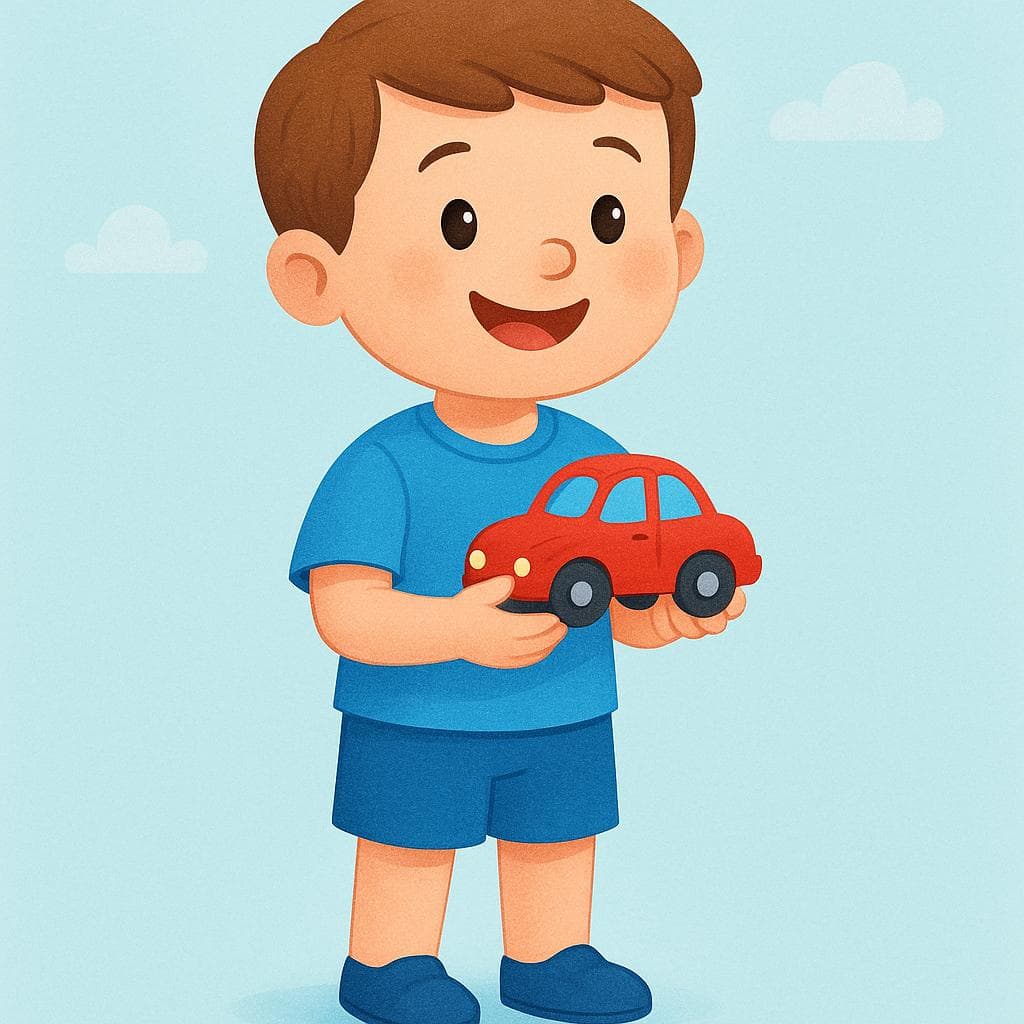
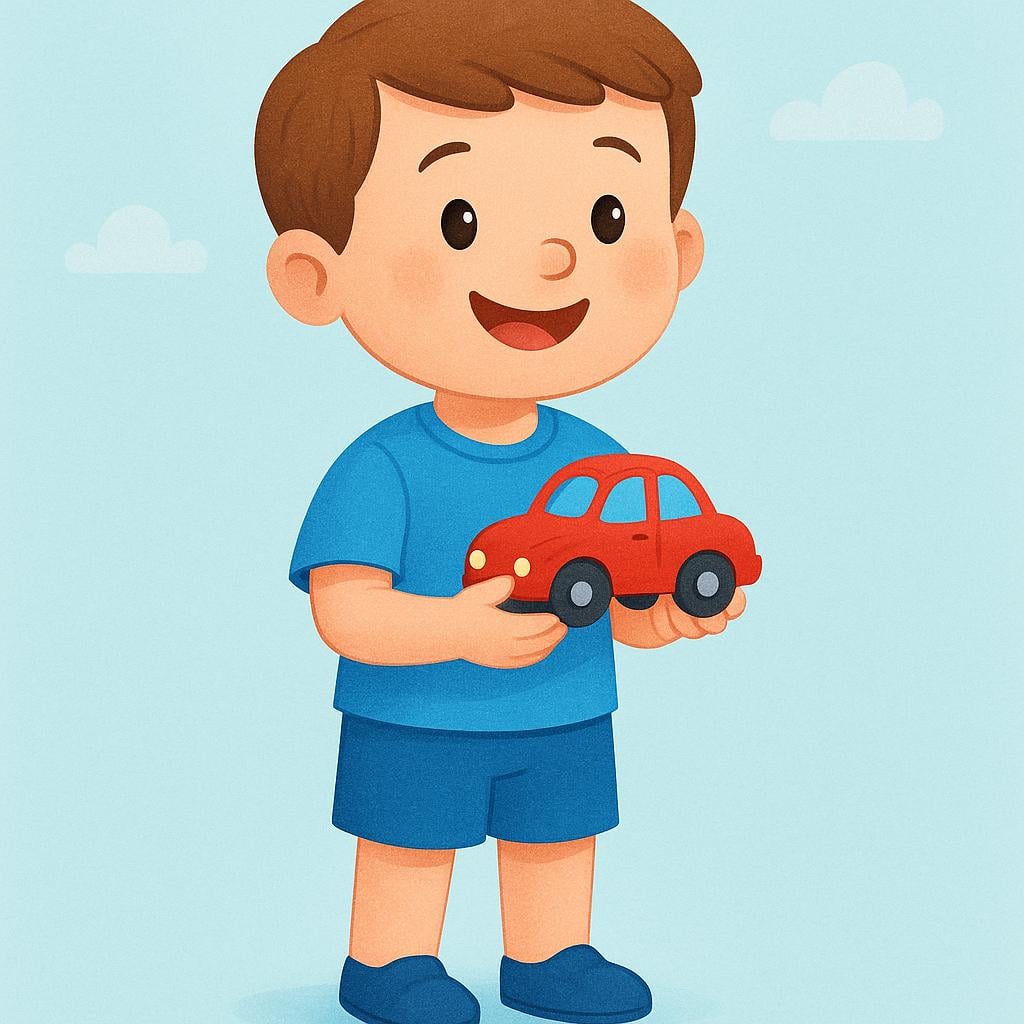
boy, kidAlso: youngster
📝 In Action
El chaval nuevo del barrio juega muy bien al fútbol.
A2The new kid in the neighborhood plays soccer really well.
Cuando era chaval, pasaba los veranos en la playa.
B1When I was a boy, I used to spend the summers at the beach.
La tienda la lleva un chaval de solo veinte años.
B2The shop is run by a lad who is only twenty years old.
Word Connections
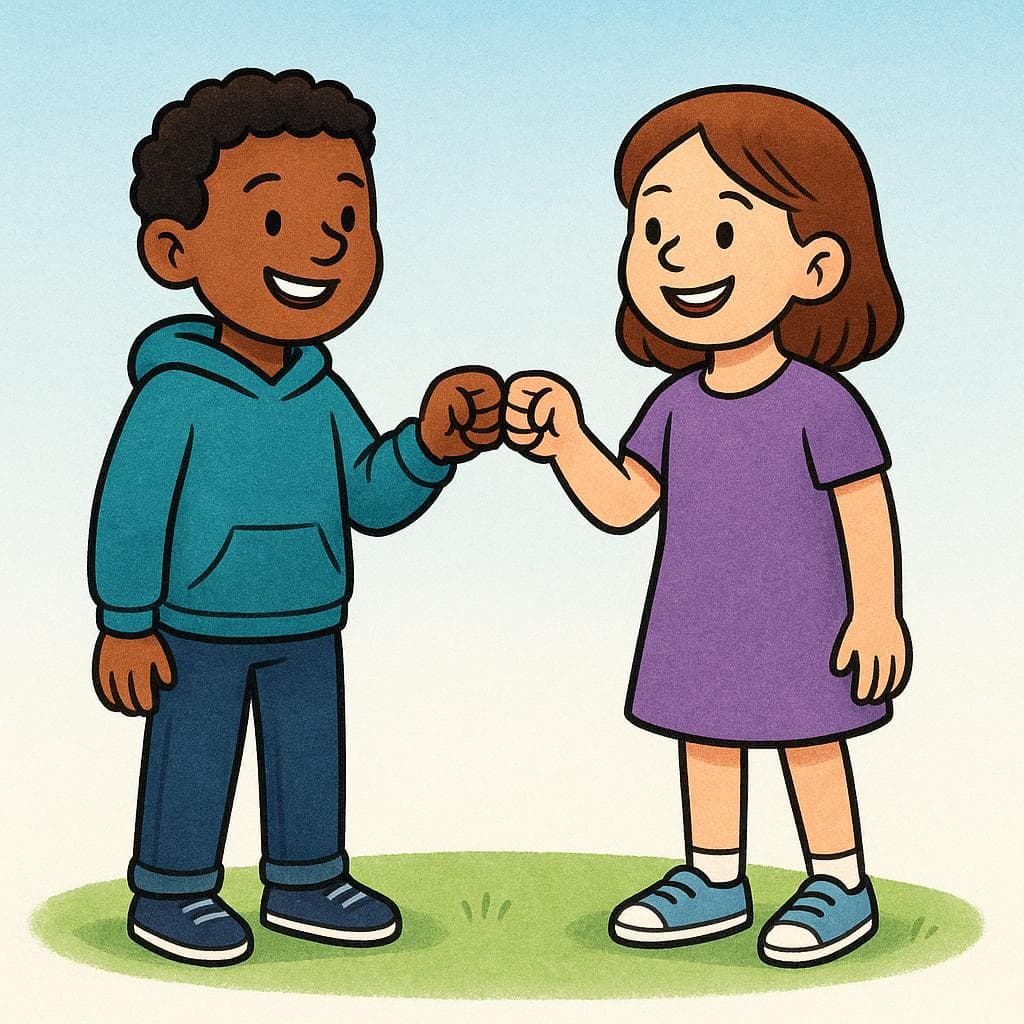
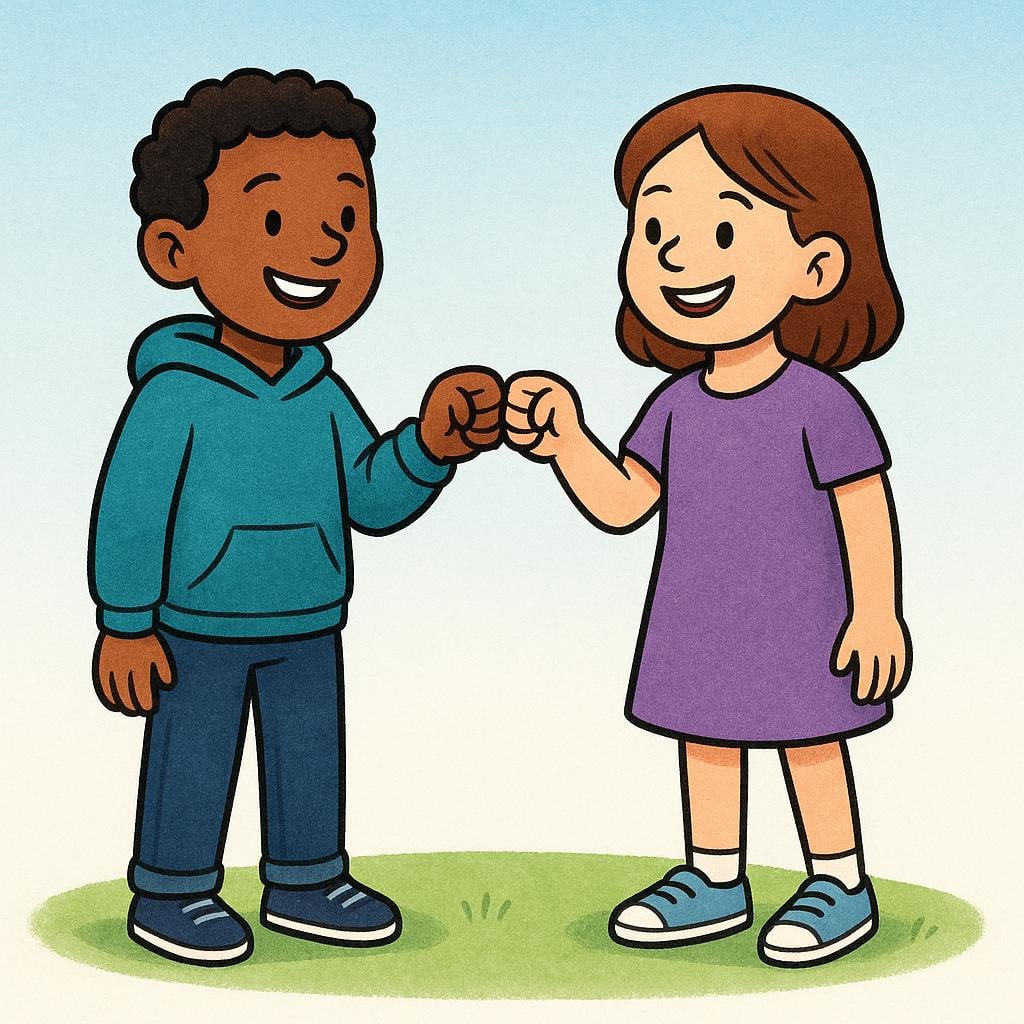
mate, guyAlso: dude
📝 In Action
¿Qué pasa, chaval? ¿Vienes a la fiesta?
B1What's up, mate? Are you coming to the party?
Oye, chaval, ¿me puedes pasar la sal?
B1Hey, guy, can you pass me the salt?
Word Connections
✏️ Quick Practice
Quick Quiz: chaval
Question 1 of 2
Which translation best fits '¿Qué haces, chaval?' when spoken to a friend in Madrid?
📚 More Resources
👥 Word Family
📚 Etymology
The word is widely believed to come from the Caló language (Spanish Romani), where *chavó* means 'son' or 'child'. It became widely adopted in Spanish slang, particularly in Spain.
First recorded: 19th century
Cognates (Related words)
💡 Master Spanish
Take your Spanish to the next level. Read 200+ illustrated and narrated Spanish stories tailored to your level with the Inklingo app!
Frequently Asked Questions
Is 'chaval' used in Latin America?
While the word is understood, it is not commonly used in Latin America. If you are speaking in Mexico or Colombia, use 'chico' or 'muchacho' instead to sound more natural.
¿Chaval or Chavala? What's the difference?
'Chaval' is for a boy or young man. 'Chavala' is the feminine form, used for a girl or young woman. They follow the standard Spanish pattern of using '-o' for masculine and '-a' for feminine.