chino
“chino” means “Chinese” in Spanish. It has 3 different meanings depending on context:
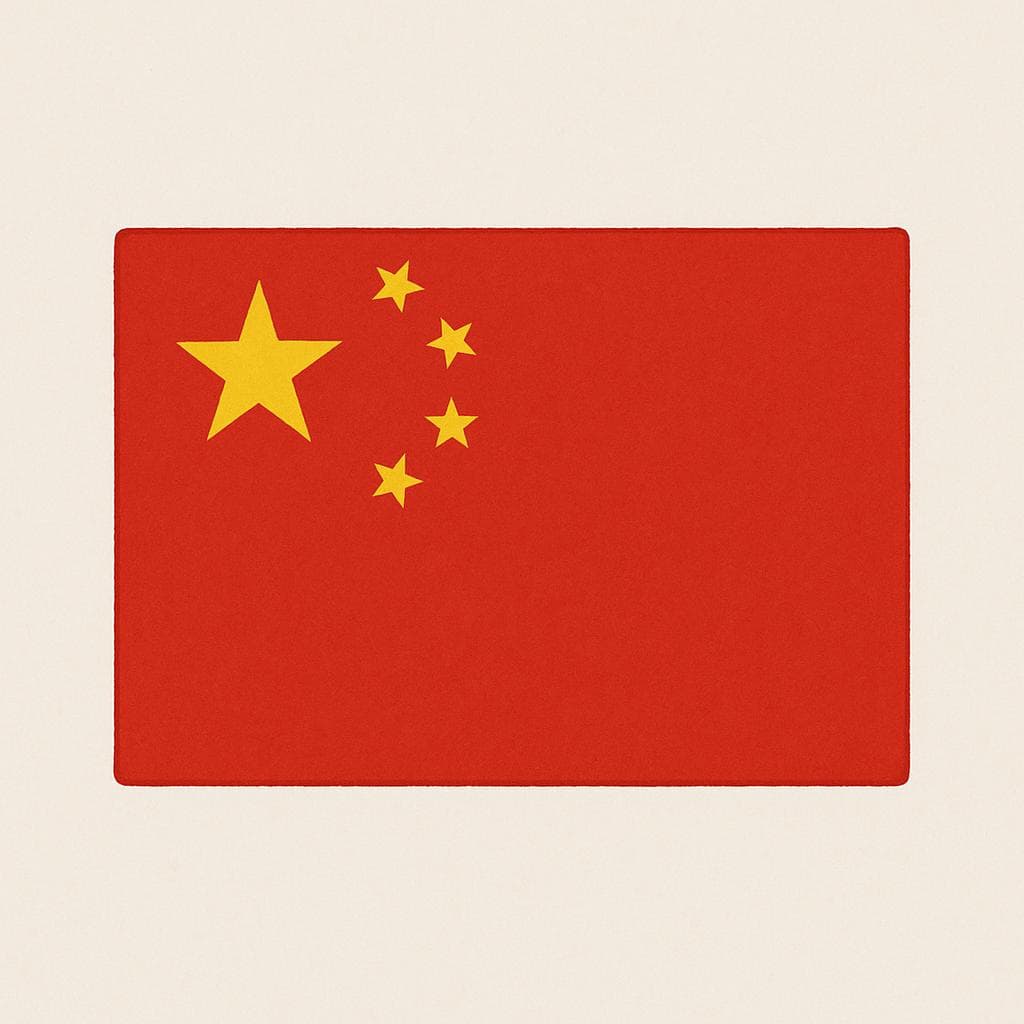


Chinese
📝 In Action
Me encanta la comida china.
A1I love Chinese food.
El Año Nuevo chino es una fiesta muy importante.
A2The Chinese New Year is a very important holiday.
Word Connections
Chinese manAlso: Chinese person

📝 In Action
Conocimos a un chino muy amable en la tienda.
A1We met a very kind Chinese man at the store.
Los chinos celebran el festival de la luna.
B1The Chinese (people) celebrate the moon festival.
ChineseAlso: Mandarin

📝 In Action
Quiero aprender a hablar chino.
A2I want to learn to speak Chinese.
El chino es uno de los idiomas más hablados del mundo.
B1Chinese is one of the most spoken languages in the world.
Word Connections
Translate to Spanish
Words that translate to "chino" in Spanish:
✏️ Quick Practice
Quick Quiz: chino
Question 1 of 2
Which sentence uses 'chino' as a noun referring to the language?
📚 More Resources
👥 Word Family
📚 Etymology
The word comes directly from the name of the country, China. This name itself is thought to have traveled through Persian and Portuguese before entering Spanish.
First recorded: 16th century
Cognates (Related words)
💡 Master Spanish
Take your Spanish to the next level. Read 200+ illustrated and narrated Spanish stories tailored to your level with the Inklingo app!
Frequently Asked Questions
Is 'chino' always used for people from China?
While the primary, neutral meaning is a person from China, in some parts of Latin America, particularly the Southern Cone, 'chino/a' is sometimes used informally to refer to people of East Asian descent in general. It's always best to use the specific nationality if you know it.
How do I know if 'chino' refers to a person or the language?
Context is key. If it follows the verb 'hablar' (to speak) or 'estudiar' (to study), it's the language. If it is preceded by 'un' or 'una' and refers to a person, it's the nationality (e.g., 'un chino' = a Chinese man).