coches
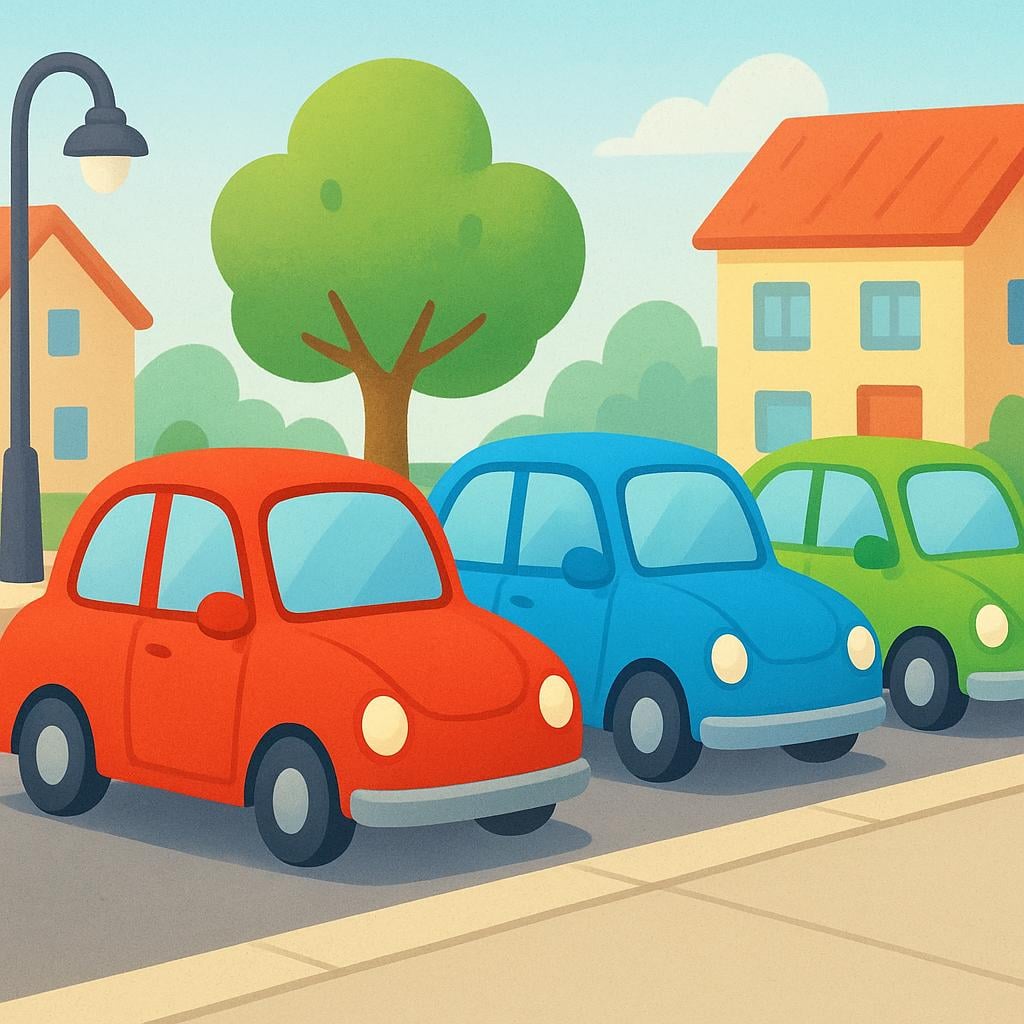
“coches” means “cars” in Spanish. It has 2 different meanings depending on context:
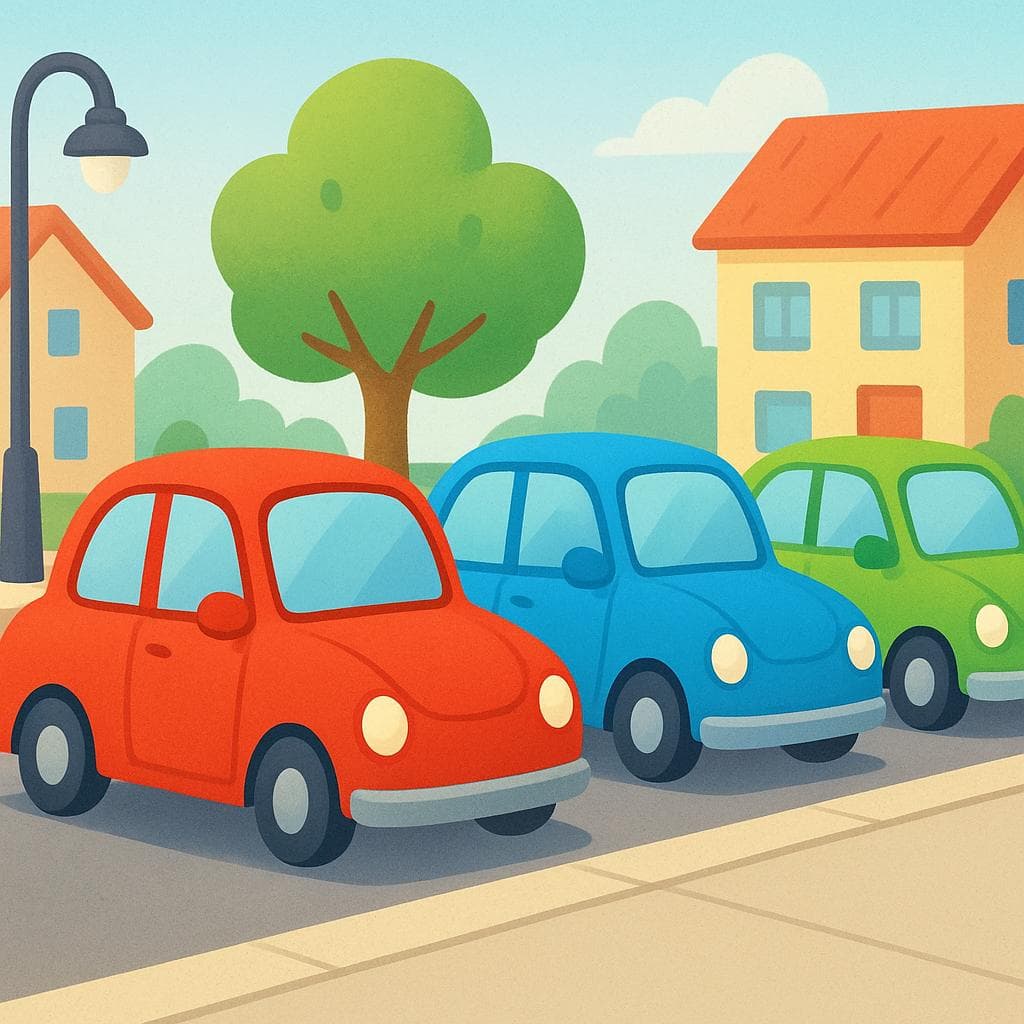
carsAlso: vehicles
📝 In Action
Hay muchos coches aparcados en la calle.
A1There are many cars parked on the street.
Mis padres compraron dos coches nuevos este año.
A2My parents bought two new cars this year.
Los coches eléctricos son más silenciosos.
B1Electric cars are quieter.
Word Connections
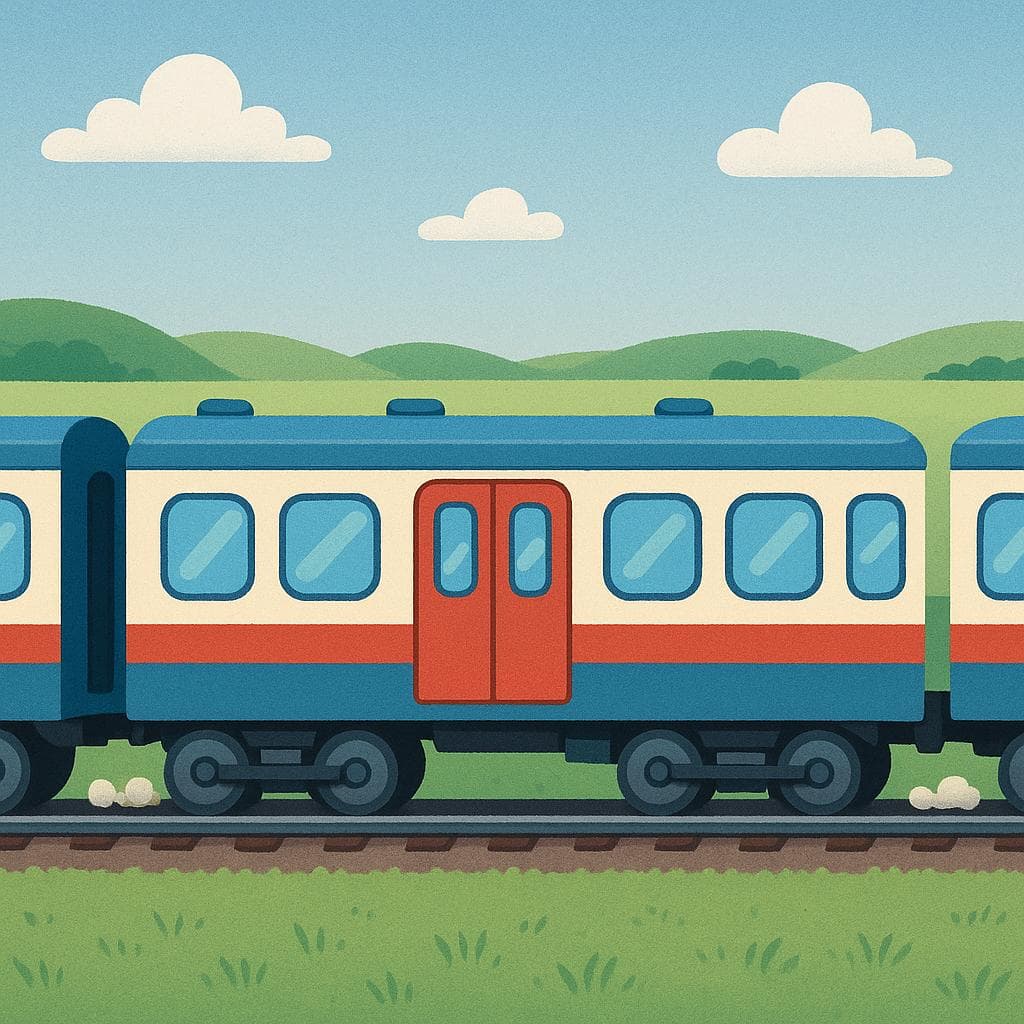
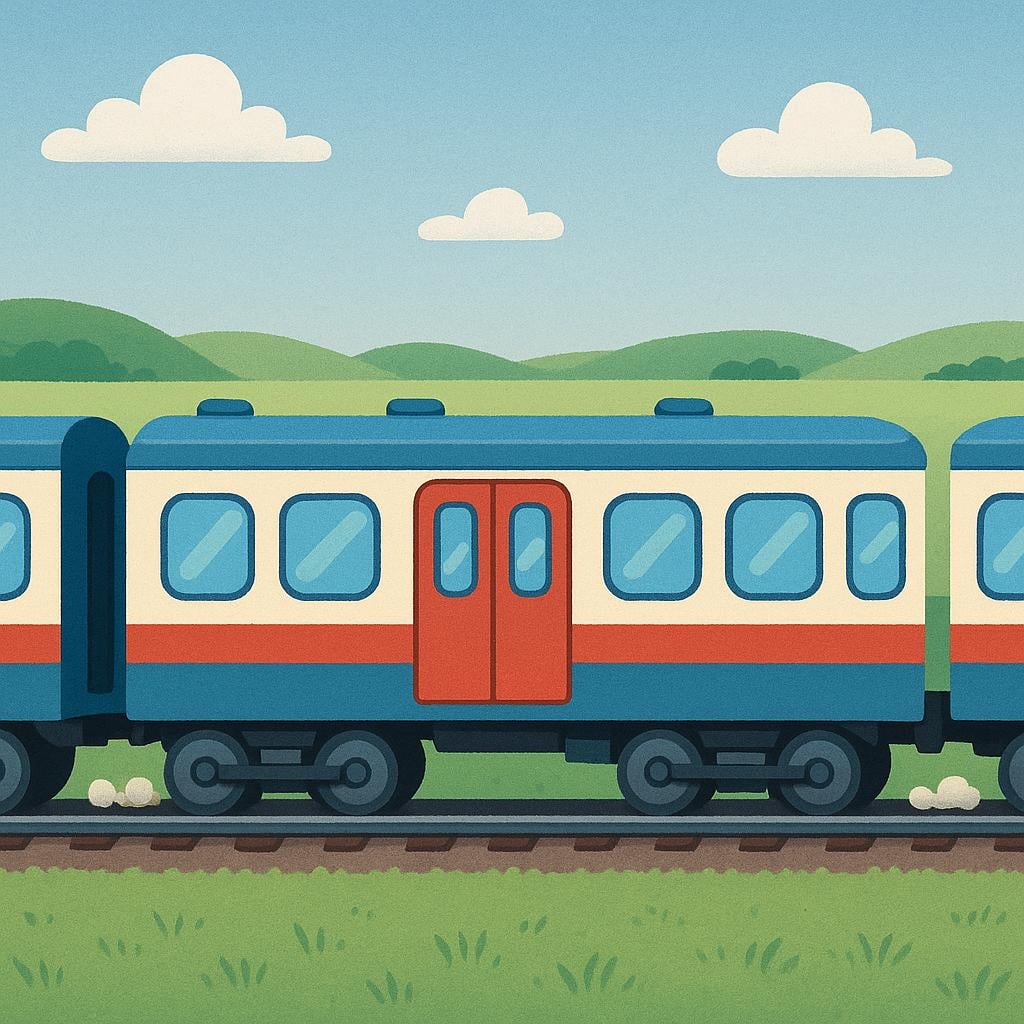
carriagesAlso: wagons
📝 In Action
Los billetes indican el número de coche y asiento.
B1The tickets indicate the carriage and seat number.
El tren de la línea azul tiene solo tres coches.
B2The blue line train only has three carriages.
Word Connections
✏️ Quick Practice
Quick Quiz: coches
Question 1 of 2
If you are in Madrid and need to rent an automobile, what service are you looking for?
📚 More Resources
👥 Word Family
🎵 Rhymes
📚 Etymology
The word 'coche' originally came to Spanish from Hungarian ('kocsi'), referring to a specific type of horse-drawn carriage named after the Hungarian town of Kocs, where they were first made. As self-propelled transportation evolved, the word was applied to the modern vehicle.
First recorded: 16th century (referring to horse-drawn carriages)
Cognates (Related words)
💡 Master Spanish
Take your Spanish to the next level. Read 200+ illustrated and narrated Spanish stories tailored to your level with the Inklingo app!
Frequently Asked Questions
Is 'coches' feminine or masculine?
The singular form 'coche' is masculine, so the plural 'coches' is also masculine. Always use masculine articles and modifiers, such as 'Los coches' (the cars) or 'coches rápidos' (fast cars).
Why do some Spanish speakers use 'carros' instead of 'coches'?
This is purely regional. 'Coche' is predominant in Spain and Argentina, while 'carro' is the preferred word for 'car' in Mexico, Central America, and parts of the Caribbean. Both mean the same thing, so choose the word used in the region you are studying.