codo
“codo” means “elbow” in Spanish. It has 3 different meanings depending on context:


elbow
Also: bend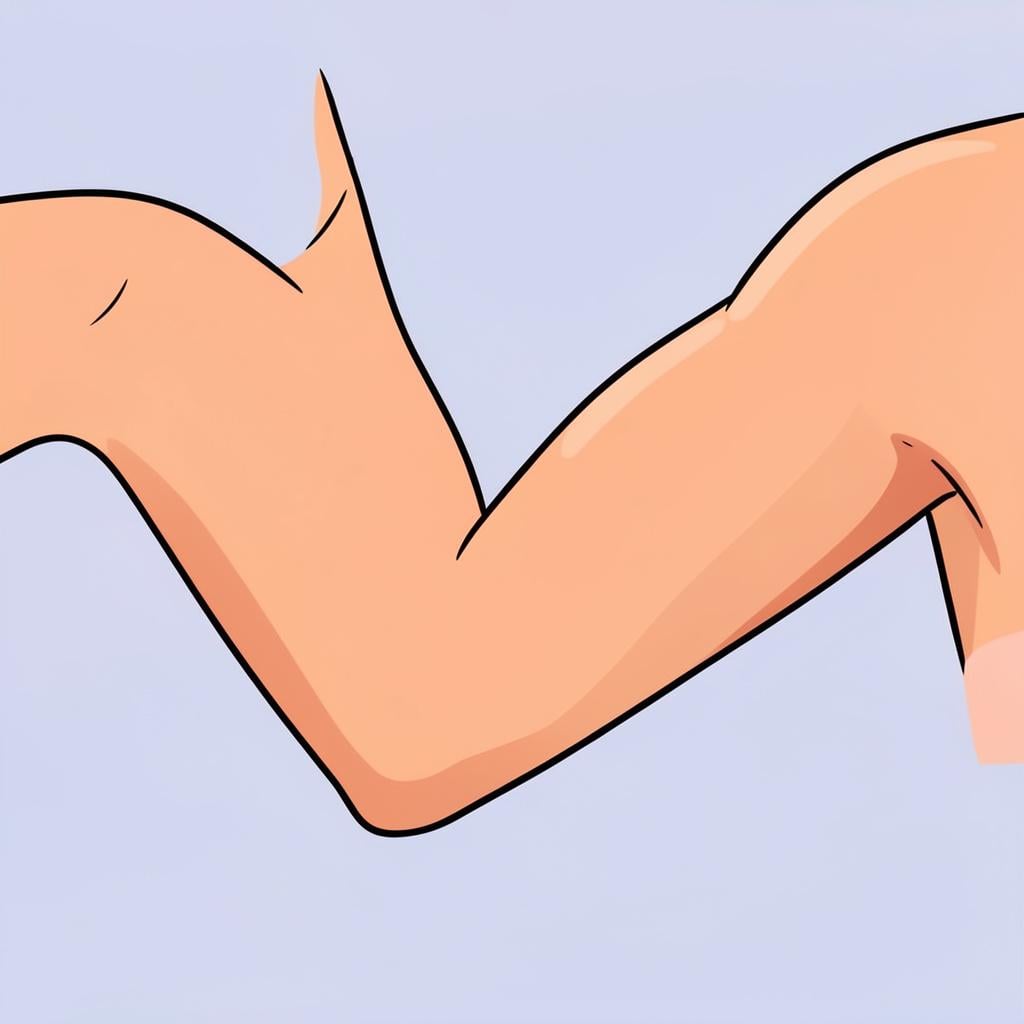
📝 In Action
Me duele el codo después de jugar al tenis.
A1My elbow hurts after playing tennis.
Apoyó los codos en la mesa mientras comía.
A2He rested his elbows on the table while eating.

elbow joint
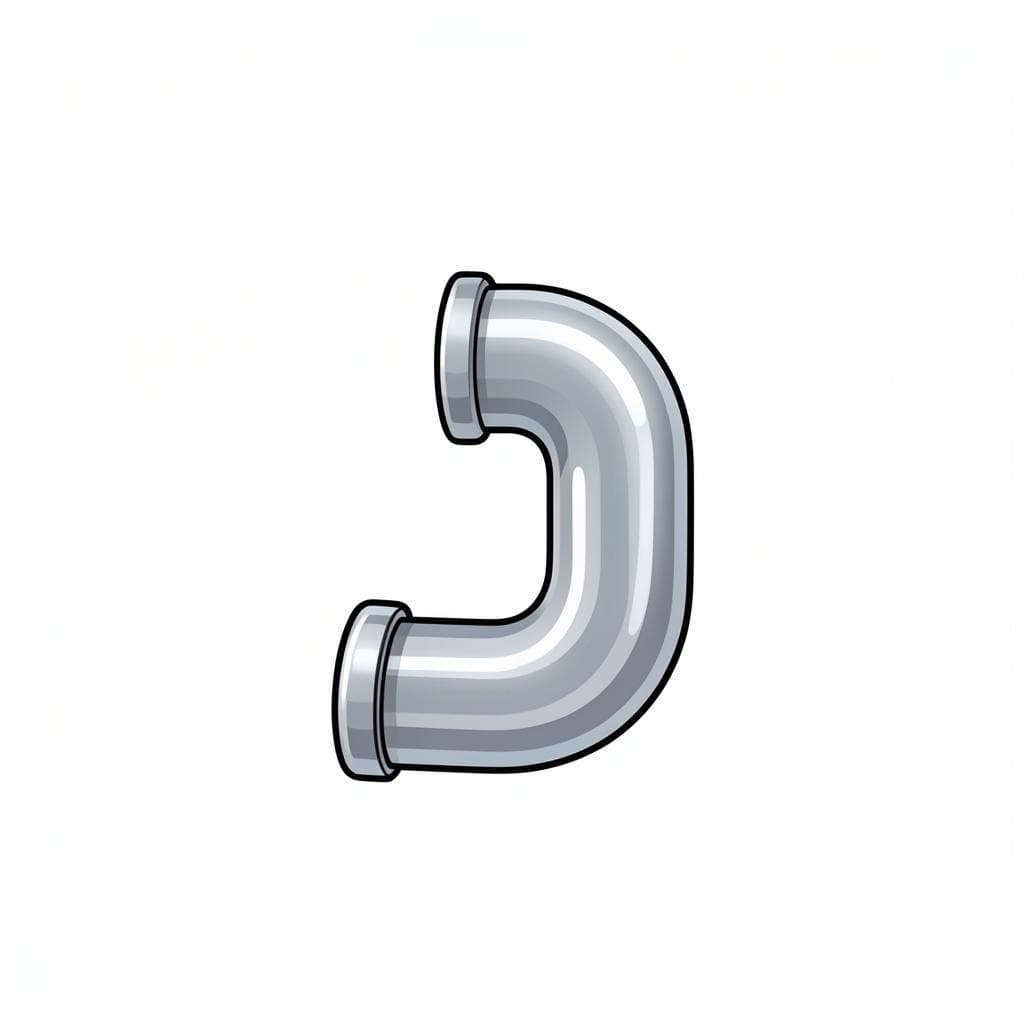
Also: pipe bend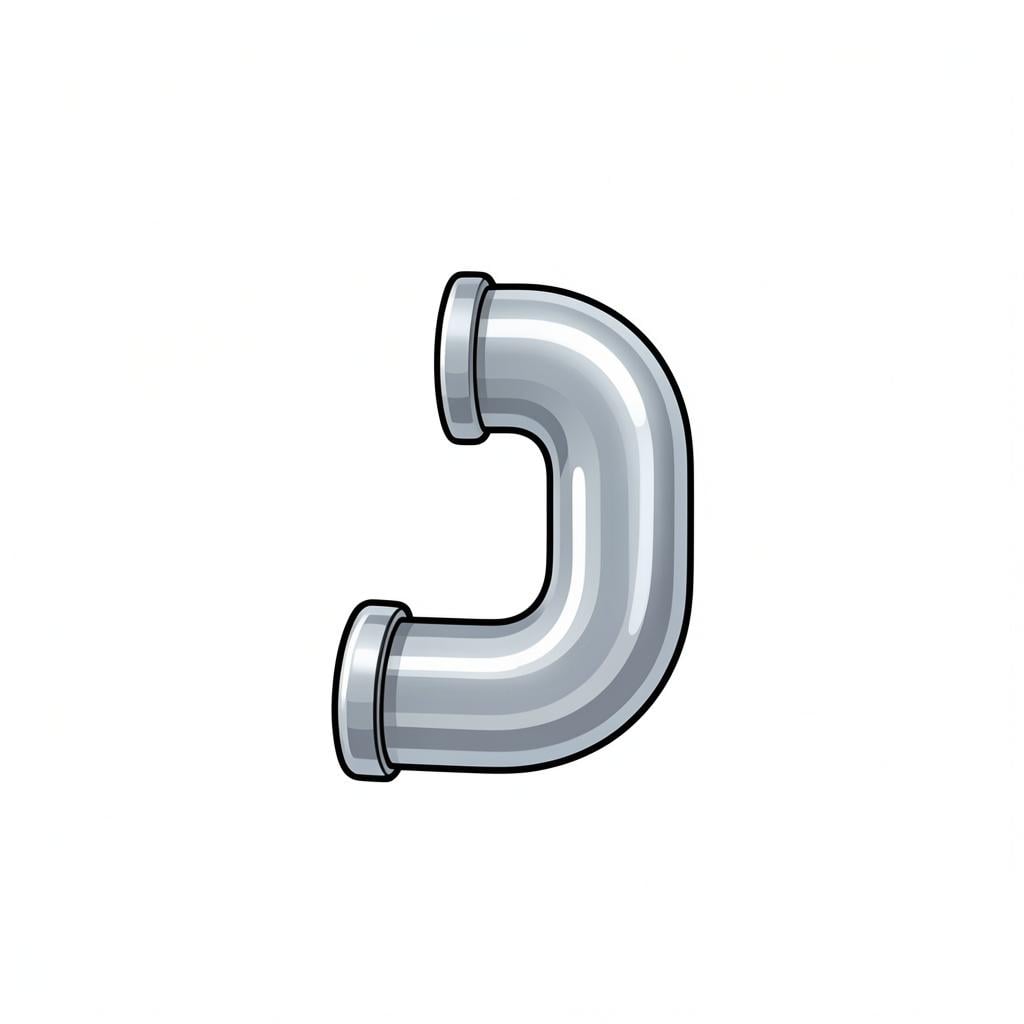
📝 In Action
Necesitamos un codo de noventa grados para arreglar la tubería.
B1We need a ninety-degree elbow joint to fix the pipe.
stingy
Also: cheap
📝 In Action
No quiso dejar propina, ¡es bien codo!
B2He didn't want to leave a tip, he's so stingy!
Ella nunca invita a nada porque es una coda.
B2She never treats anyone to anything because she is cheap.
Translate to Spanish
✏️ Quick Practice
Quick Quiz: codo
Question 1 of 2
What does the idiom 'hablar por los codos' mean?
📚 More Resources
👥 Word Family▼
📚 Etymology▼
From the Latin word 'cubitus', which refers to the elbow and also a unit of measurement (a cubit).
First recorded: 12th century
Cognates (Related words)
💡 Master Spanish
Take your Spanish to the next level. Read 200+ illustrated and narrated Spanish stories tailored to your level with the Inklingo app!
Frequently Asked Questions
Does 'codo' always mean elbow?
Not always! While its primary meaning is the body part, it also refers to L-shaped joints in plumbing and is used as slang for 'stingy' in many Spanish-speaking countries.
Is 'codo' offensive when used to mean stingy?
It is informal and slightly mocking, but generally not considered a vulgar swear word. It's more of a teasing or descriptive term for someone's personality.