colores
“colores” means “colors” in Spanish. It has 2 different meanings depending on context:
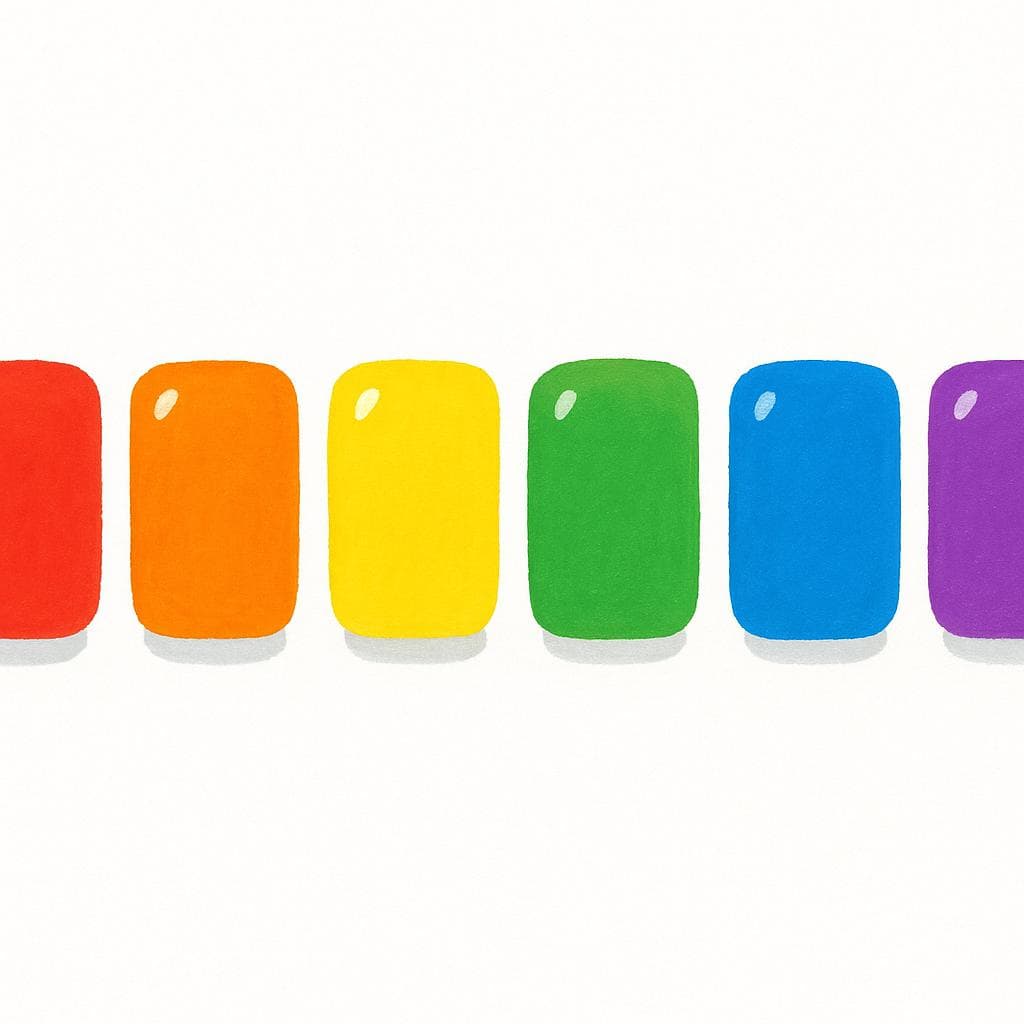

colors
Also: shades, paints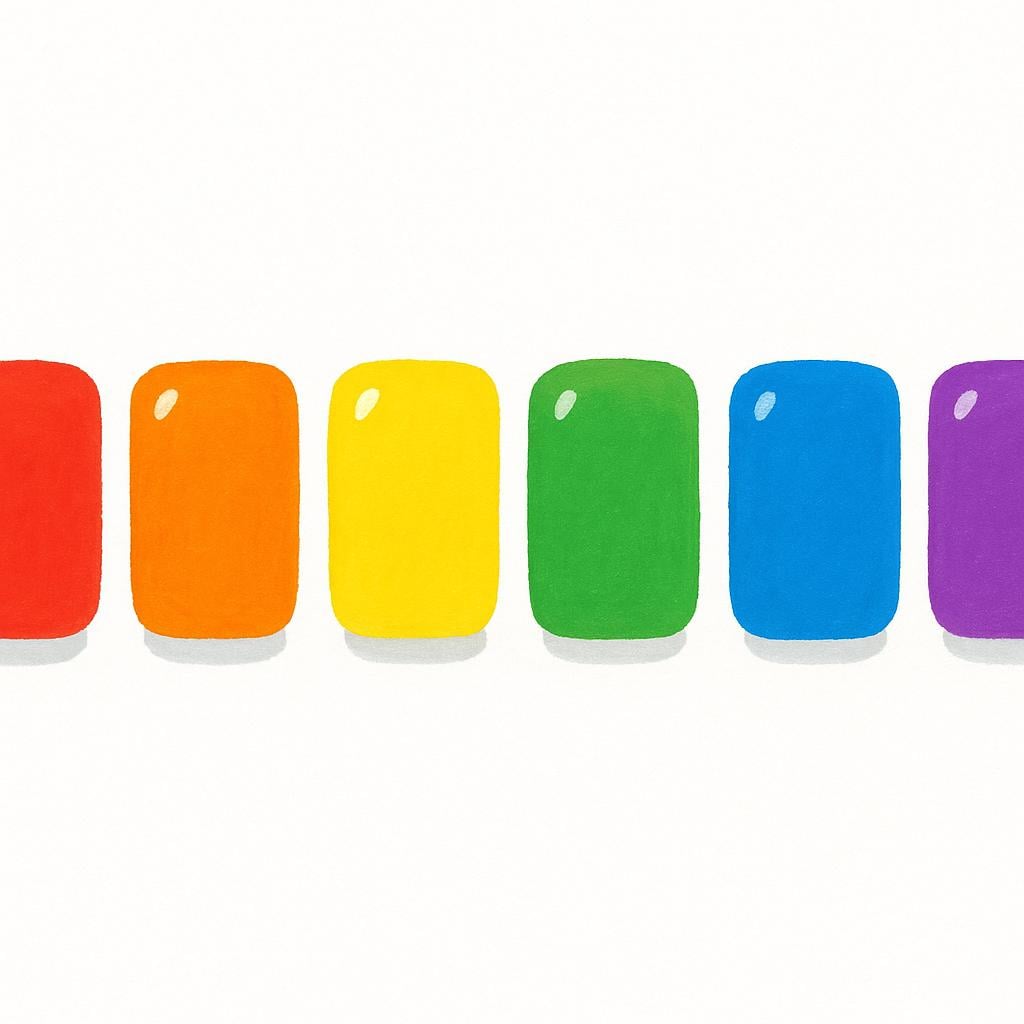
📝 In Action
Mi hija está aprendiendo los nombres de los colores primarios.
A1My daughter is learning the names of the primary colors.
Necesito comprar más colores para mi paleta de acuarelas.
A2I need to buy more paints (colors) for my watercolor palette.
Los colores de este paisaje son increíbles al atardecer.
B1The colors of this landscape are incredible at sunset.
blush
Also: shame, variety
📝 In Action
Cuando le preguntaron por su secreto, se le subieron los colores a la cara.
B2When they asked him about his secret, he blushed/felt embarrassed.
Esa revista tiene artículos de todos colores: política, chismes, ciencia...
C1That magazine has articles of all kinds (of every color): politics, gossip, science...
Vocabulary Collections
Translate to Spanish
✏️ Quick Practice
Quick Quiz: colores
Question 1 of 2
Which sentence uses 'colores' in its idiomatic meaning (embarrassment)?
📚 More Resources
👥 Word Family▼
🎵 Rhymes▼
📚 Etymology▼
The word 'colores' comes directly from the Latin word *color*, meaning 'color' or 'hue'. It has remained remarkably consistent in meaning throughout its history in Spanish.
First recorded: Old Spanish (around the 10th-13th century)
Cognates (Related words)
💡 Master Spanish
Take your Spanish to the next level. Read 200+ illustrated and narrated Spanish stories tailored to your level with the Inklingo app!
Frequently Asked Questions
Is 'colores' masculine or feminine?
'Colores' is the plural form of the noun 'color,' which is masculine. Therefore, 'colores' is always treated as masculine, requiring 'los' and masculine adjectives.
How do I say 'bright colors' in Spanish?
You would typically say 'colores vivos' or 'colores brillantes'. The word 'vivos' (lively/vibrant) is very common in this context.