cometa
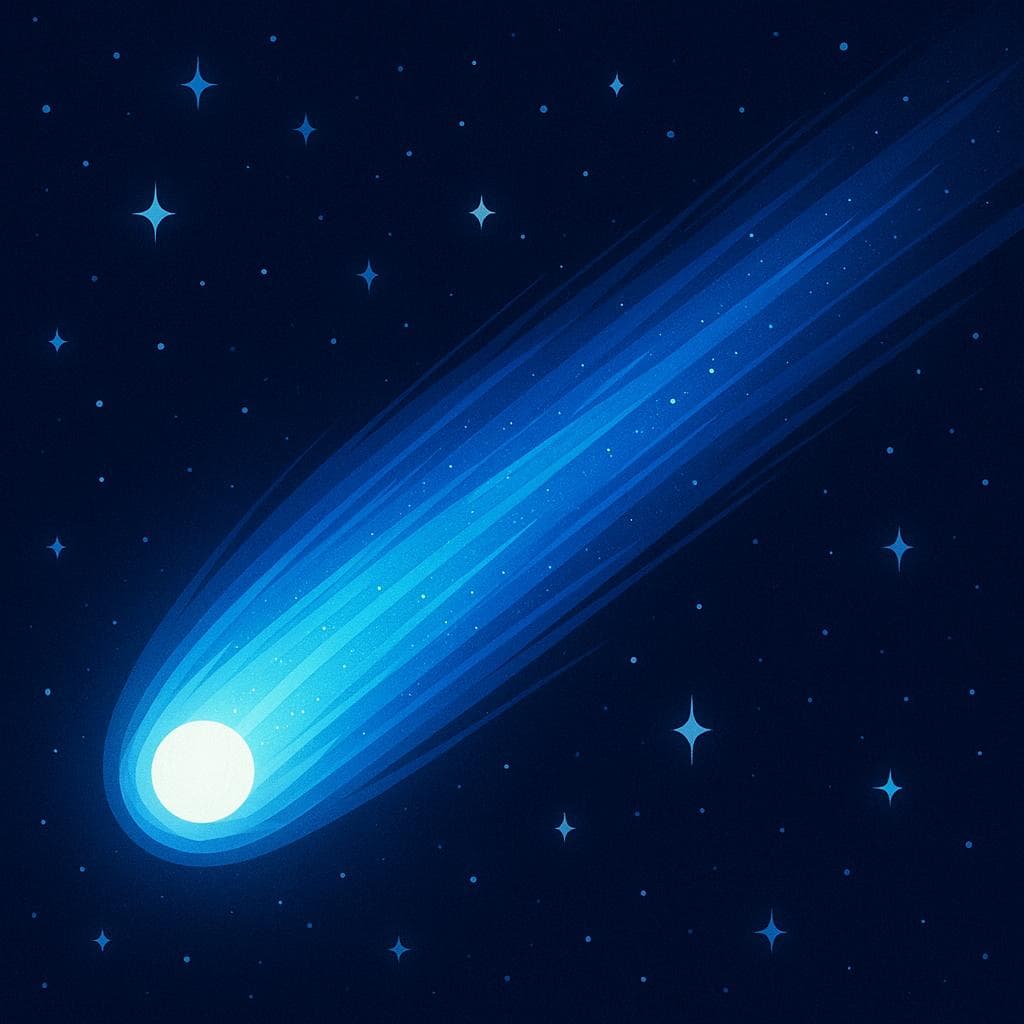
“cometa” means “kite” in Spanish. It has 2 different meanings depending on context:
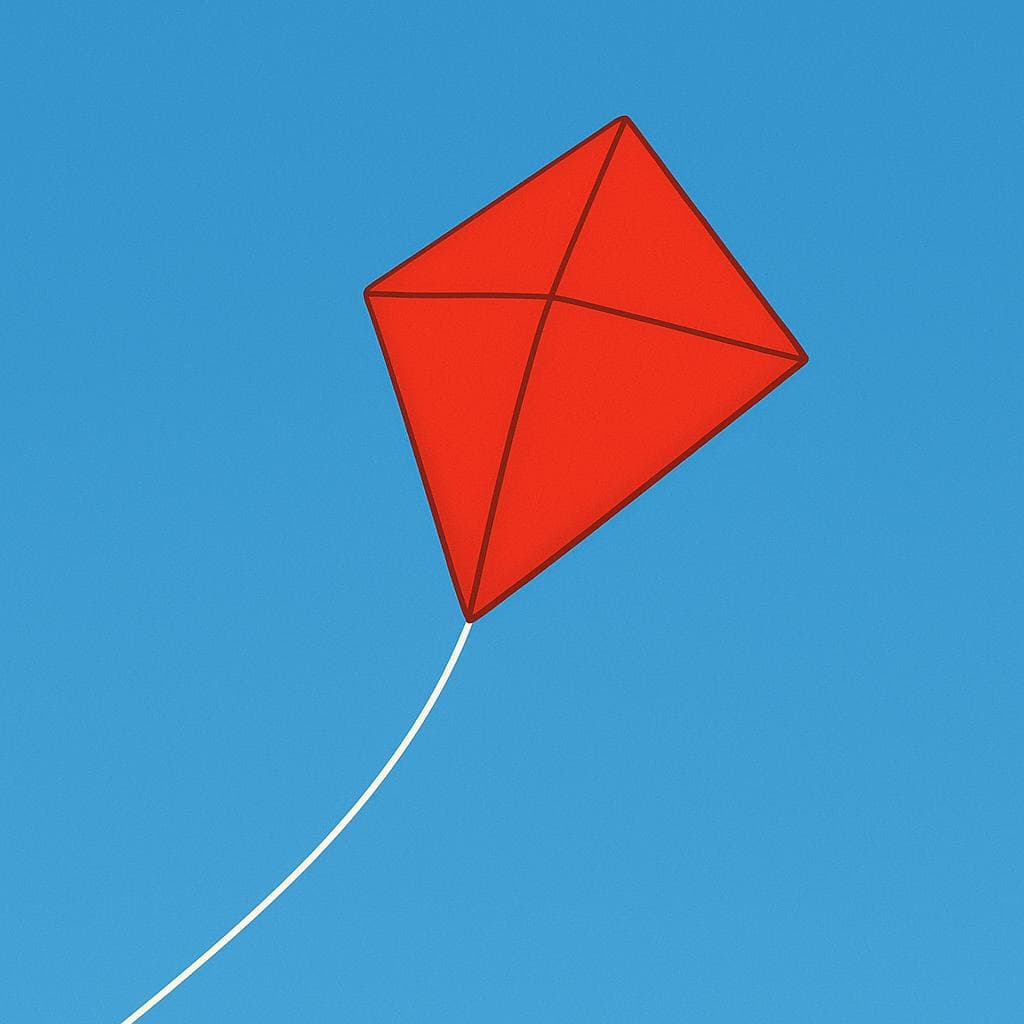
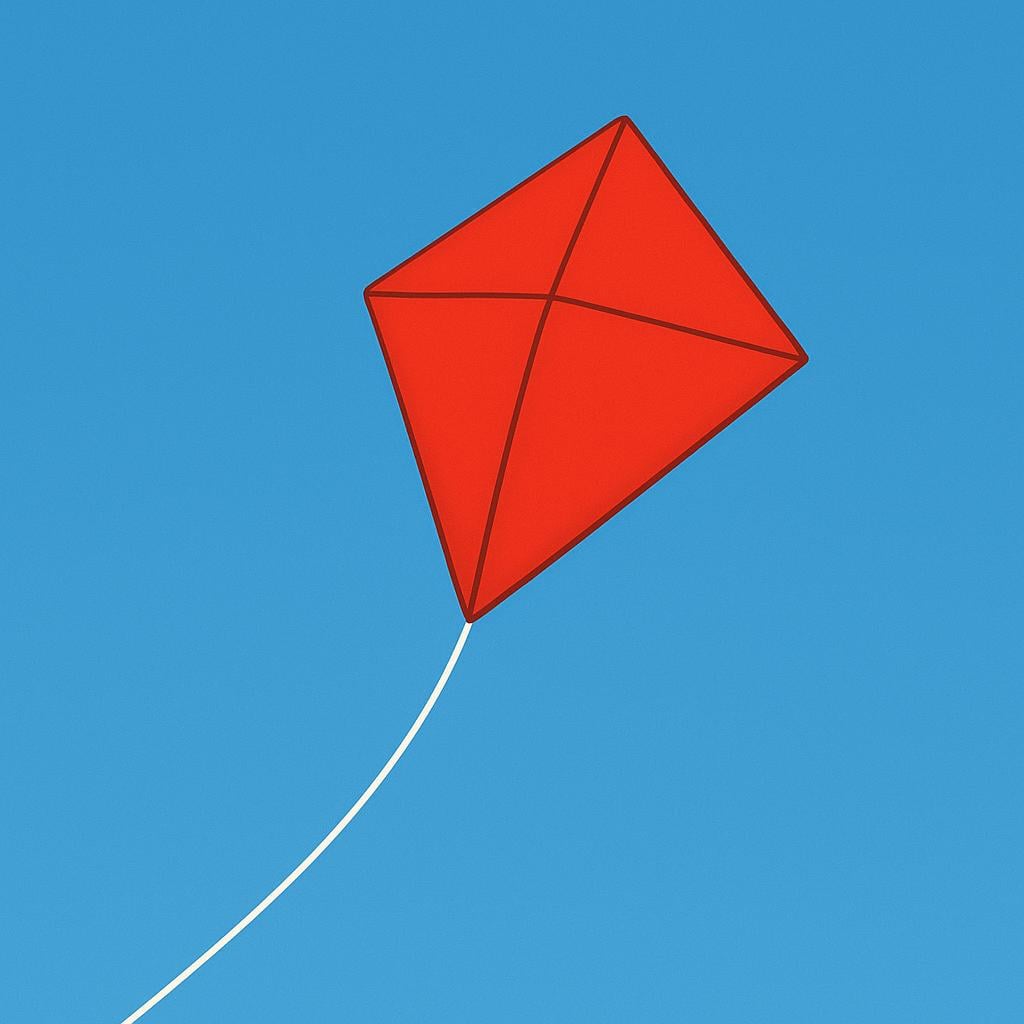
kite
📝 In Action
Mi hermano pasó toda la tarde volando su cometa nueva.
A1My brother spent all afternoon flying his new kite.
Para volar un cometa necesitas mucho hilo y un buen viento.
A2To fly a kite you need a lot of string and a good wind.
Word Connections
comet

📝 In Action
El astrónomo descubrió un nuevo cometa en el sistema solar.
B1The astronomer discovered a new comet in the solar system.
El cometa Halley es visible desde la Tierra cada 75 años.
B2Halley's Comet is visible from Earth every 75 years.
Word Connections
✏️ Quick Practice
Quick Quiz: cometa
Question 1 of 1
Which sentence uses 'cometa' to mean the flying toy?
📚 More Resources
👥 Word Family
📚 Etymology
Comes from the Latin word *comēta*, which itself came from the Greek *komētēs*, meaning 'long-haired star.' This name refers to the distinctive, long tail of the celestial body.
First recorded: 13th century
Cognates (Related words)
💡 Master Spanish
Take your Spanish to the next level. Read 200+ illustrated and narrated Spanish stories tailored to your level with the Inklingo app!
Frequently Asked Questions
¿Cómo sé si están hablando del juguete o del objeto espacial?
The context is the best clue! If the conversation is about children, parks, or wind, it's the kite. If it's about space, orbits, or telescopes, it's the comet.
If 'cometa' ends in -a, why is it masculine (el cometa)?
This is a common exception in Spanish! Many nouns borrowed from Greek that end in -ma, -pa, or -ta are masculine, even though most words ending in -a are feminine. Just remember the rule: it's 'el cometa'.