comparado
“comparado” means “compared” in Spanish. It has 2 different meanings depending on context:
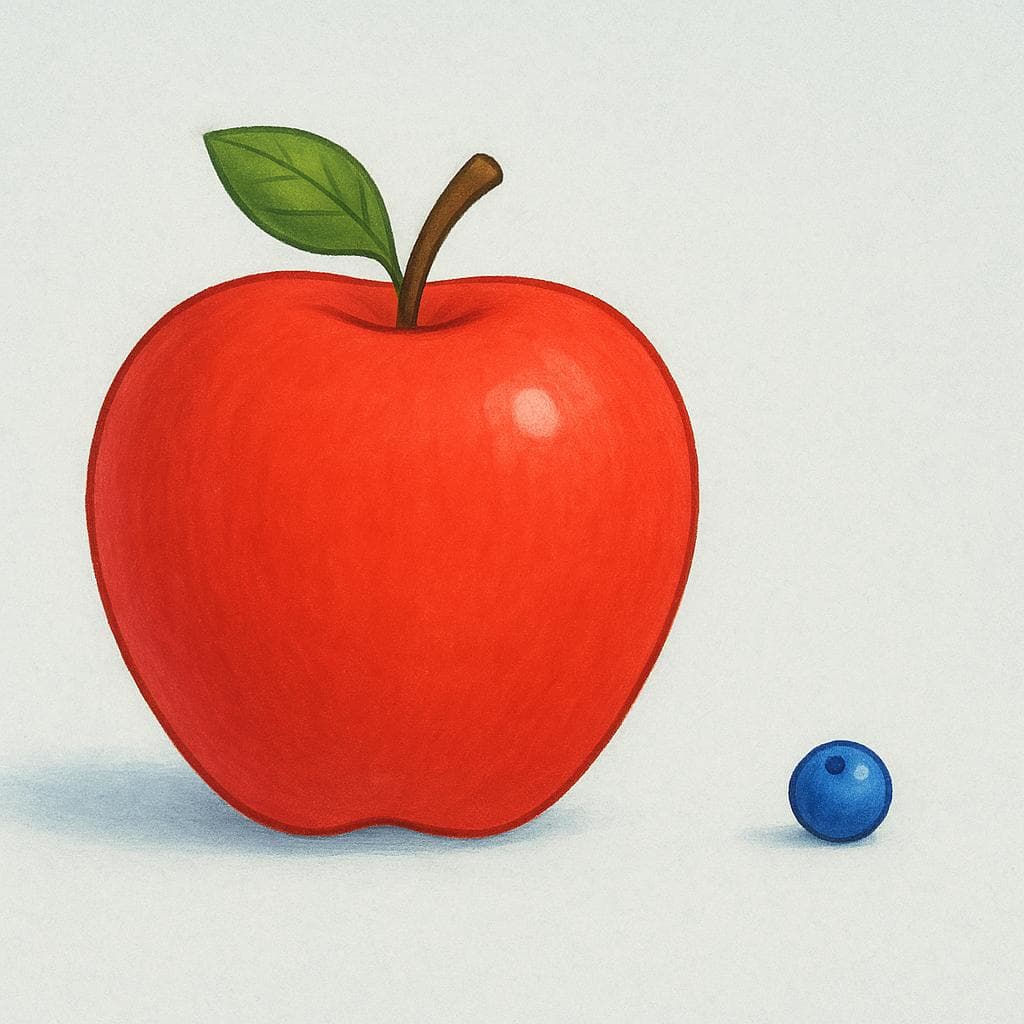
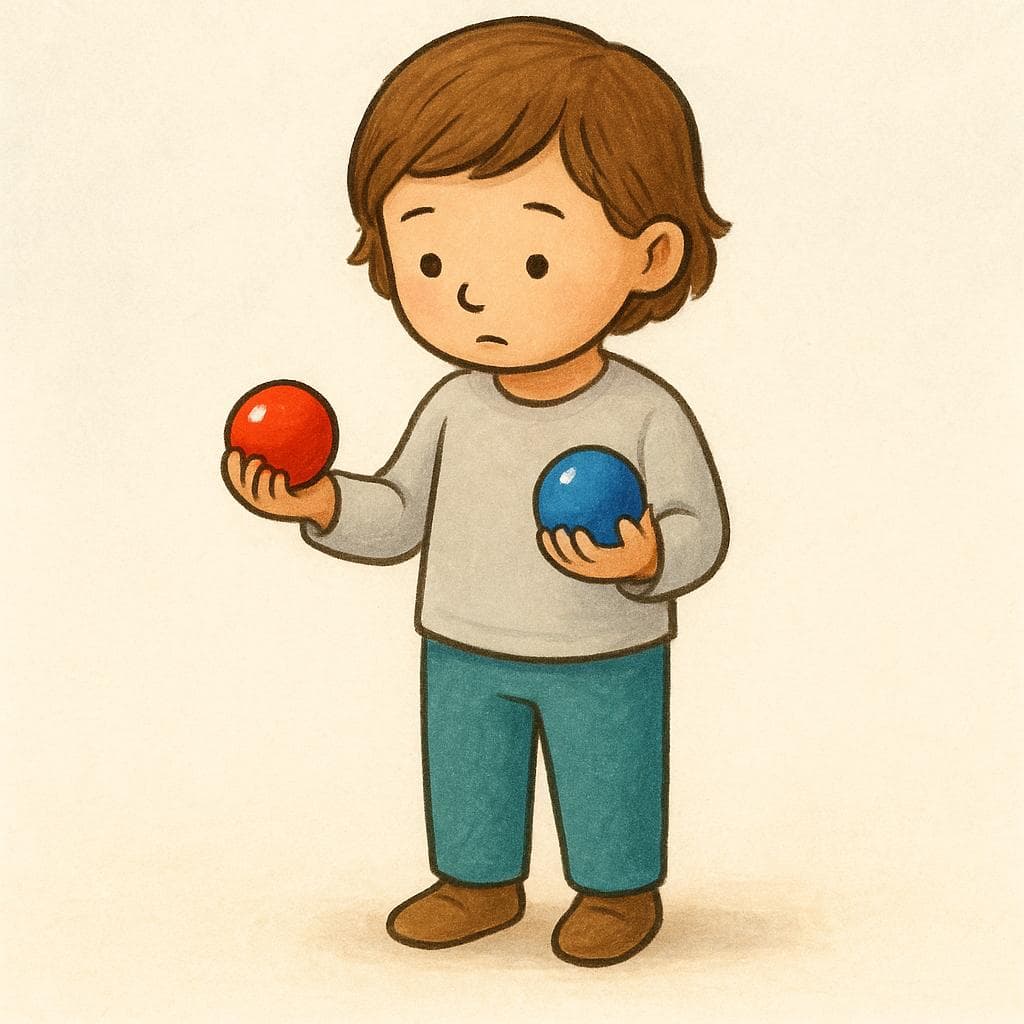
compared
Also: relative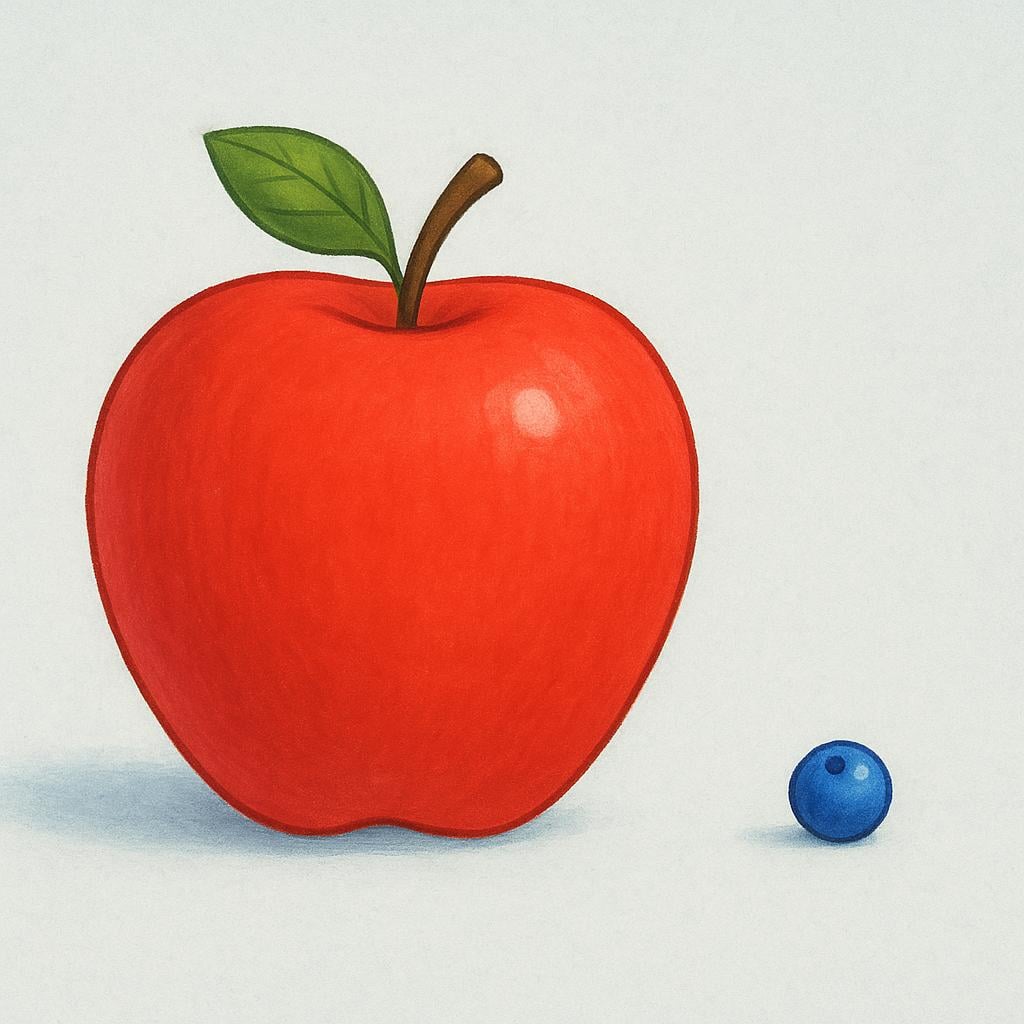
📝 In Action
Este coche es lento comparado con el modelo anterior.
B1This car is slow compared to the previous model.
Las cifras comparadas no mienten: hubo un gran aumento.
B2The compared figures don't lie: there was a big increase.
Ella, comparada con su hermana, es muy callada.
B1She, compared to her sister, is very quiet.
compared
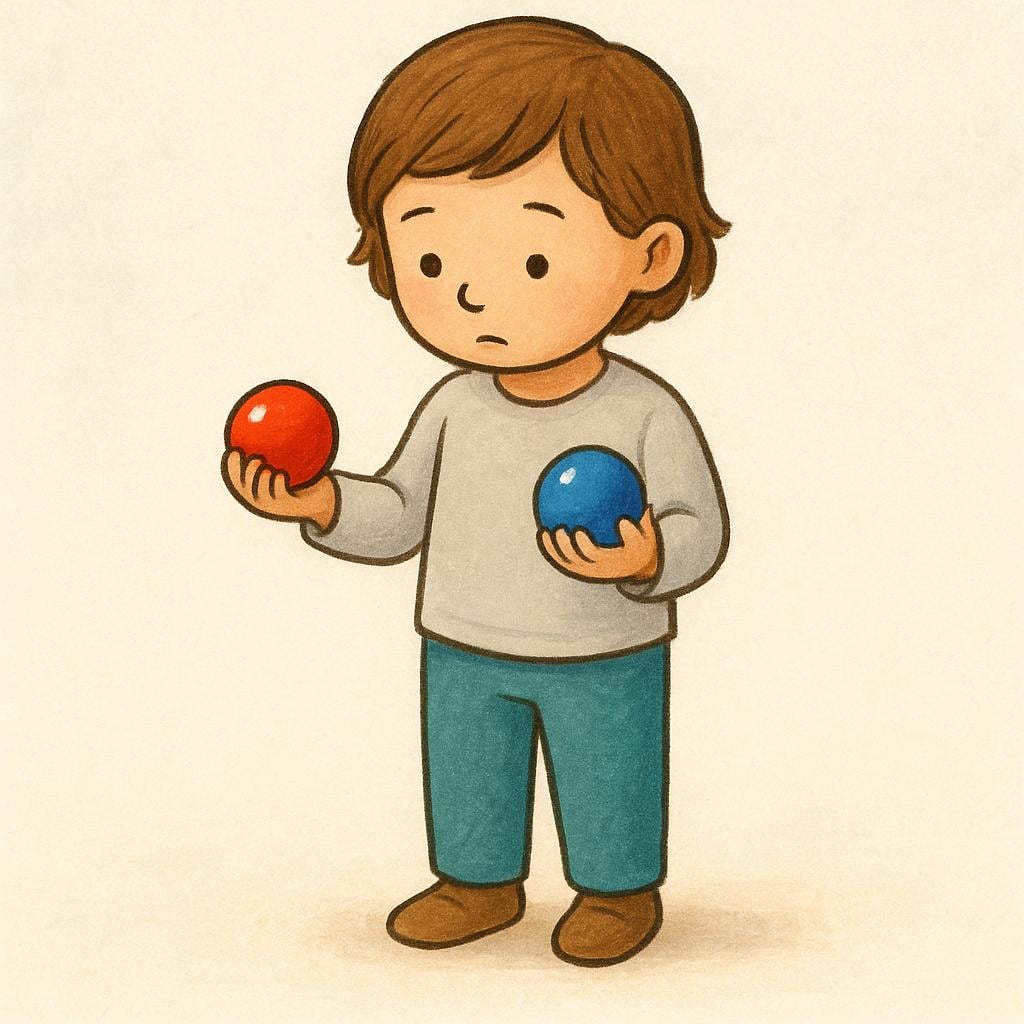
📝 In Action
Hemos comparado todos los precios antes de comprar.
A2We have compared all the prices before buying.
Ella ya había comparado las muestras cuando llegué.
B1She had already compared the samples when I arrived.
Dudo que hayas comparado esas dos opciones seriamente.
B2I doubt you have compared those two options seriously.
Subjunctive
Imperfect Subjunctive
Present Subjunctive
Indicative
Preterite
Imperfect
Present
✏️ Quick Practice
Quick Quiz: comparado
Question 1 of 1
Which sentence uses 'comparado' as an adjective (meaning it changes its ending to match the noun)?
📚 More Resources
👥 Word Family▼
📚 Etymology▼
The word comes from the Latin verb *comparare*, which meant 'to pair' or 'to match two things side by side.' It shares roots with the English word 'compare.'
First recorded: 13th century (in its modern form)
Cognates (Related words)
💡 Master Spanish
Take your Spanish to the next level. Read 200+ illustrated and narrated Spanish stories tailored to your level with the Inklingo app!
Frequently Asked Questions
Does 'comparado' ever change its ending when used with 'haber'?
No. When 'comparado' is used with the verb 'haber' (like in 'he comparado' or 'hemos comparado'), it always stays in the '-o' ending, regardless of who is doing the action or what they are comparing.
What is the difference between 'comparado' and 'comparando'?
'Comparado' is the finished action form ('compared'), used after 'haber'. 'Comparando' is the ongoing action form ('comparing'), used after 'estar' (Estoy comparando: I am comparing).