conservar
“conservar” means “to preserve” in Spanish. It has 3 different meanings depending on context:



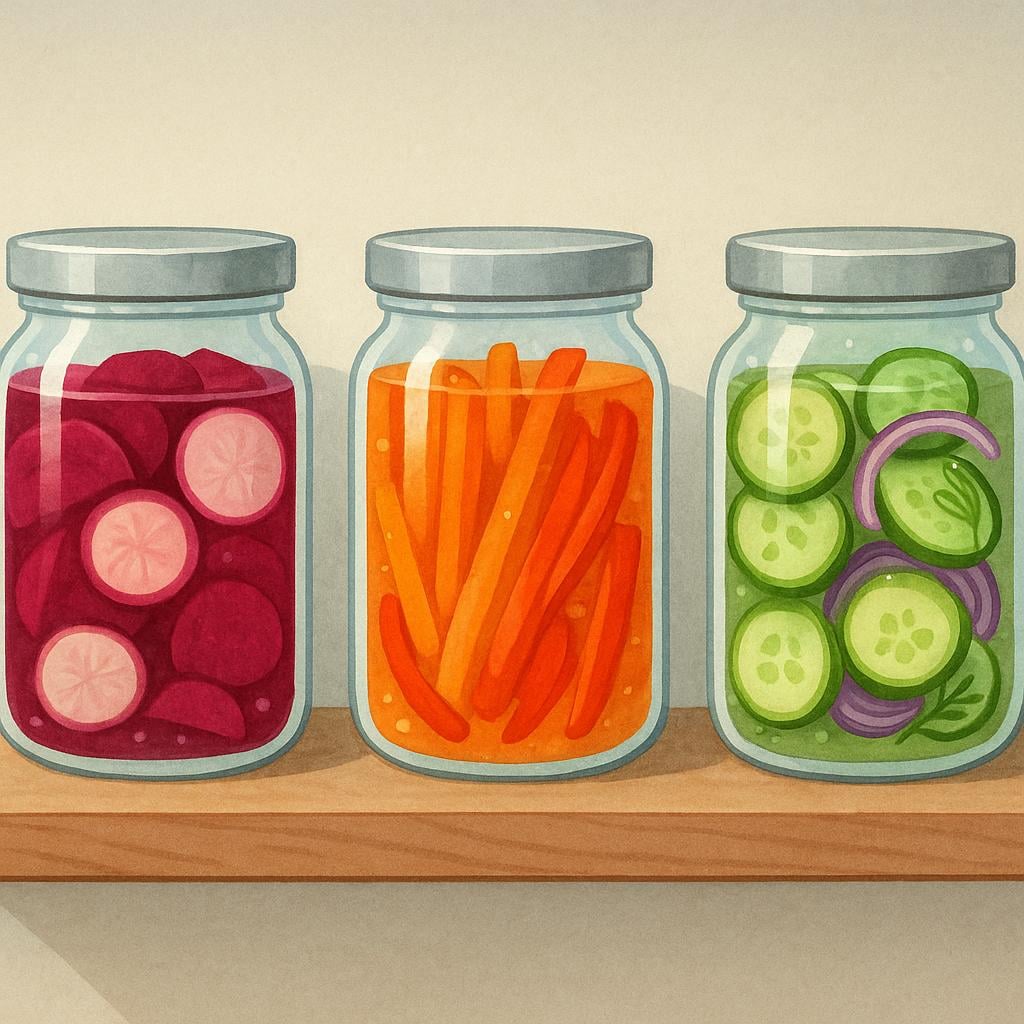
to preserve, to storeAlso: to keep fresh, to can
📝 In Action
Necesitas refrigerar la leche para conservarla.
A1You need to refrigerate the milk to preserve it.
Los museos conservan artefactos muy antiguos.
A2Museums conserve (or preserve) very old artifacts.
Mi abuela sabe cómo conservar mermelada casera.
B1My grandmother knows how to preserve homemade jam.
Word Connections
to retain, to keepAlso: to hold onto

📝 In Action
Ella conserva la calma incluso en situaciones difíciles.
B1She keeps (or retains) her calm even in difficult situations.
Es difícil conservar el optimismo después de esa noticia.
B2It is difficult to retain optimism after that news.
Logró conservar su puesto de trabajo a pesar de los recortes.
B2He managed to keep his job despite the cutbacks.
Word Connections
to conserve, to protect

📝 In Action
Debemos conservar el agua para las generaciones futuras.
B2We must conserve water for future generations.
El gobierno tiene un plan para conservar la selva tropical.
C1The government has a plan to conserve the rainforest.
Word Connections
Subjunctive
Imperfect Subjunctive
Present Subjunctive
Indicative
Imperfect
Present
Preterite
Translate to Spanish
Words that translate to "conservar" in Spanish:
✏️ Quick Practice
Quick Quiz: conservar
Question 1 of 1
Which sentence uses 'conservar' in the sense of maintaining a personal state or quality?
📚 More Resources
👥 Word Family
📚 Etymology
Comes directly from the Latin verb *conservare*, which means 'to keep, save, or guard.' It has maintained the same fundamental meaning for thousands of years.
First recorded: 13th century
Cognates (Related words)
💡 Master Spanish
Take your Spanish to the next level. Read 200+ illustrated and narrated Spanish stories tailored to your level with the Inklingo app!
Frequently Asked Questions
Is 'conservar' the same as 'guardar'?
Not exactly. While both involve 'keeping' something, 'guardar' usually means 'to put something away for safekeeping' (like putting your keys in a drawer). 'Conservar' focuses more on the *condition*—making sure something stays fresh, whole, or in a specific state.
Does 'conservar' have a political meaning?
Yes, but usually not the verb itself. The related noun and adjective, *conservación* and *conservador*, are often used in political contexts to mean 'conservative,' referring to the desire to keep or maintain traditional structures.