contaba
“contaba” means “was counting” in Spanish. It has 3 different meanings depending on context:
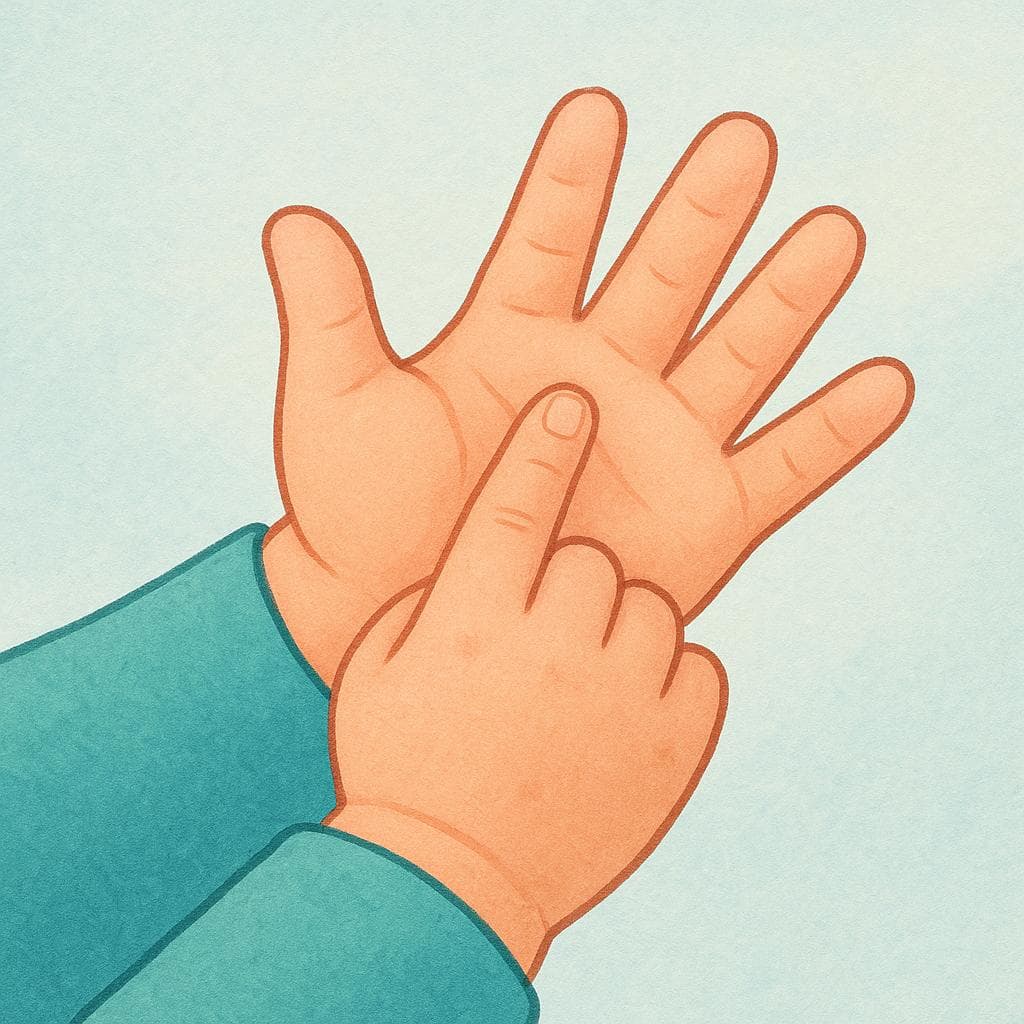


was counting, used to count
Also: was numbering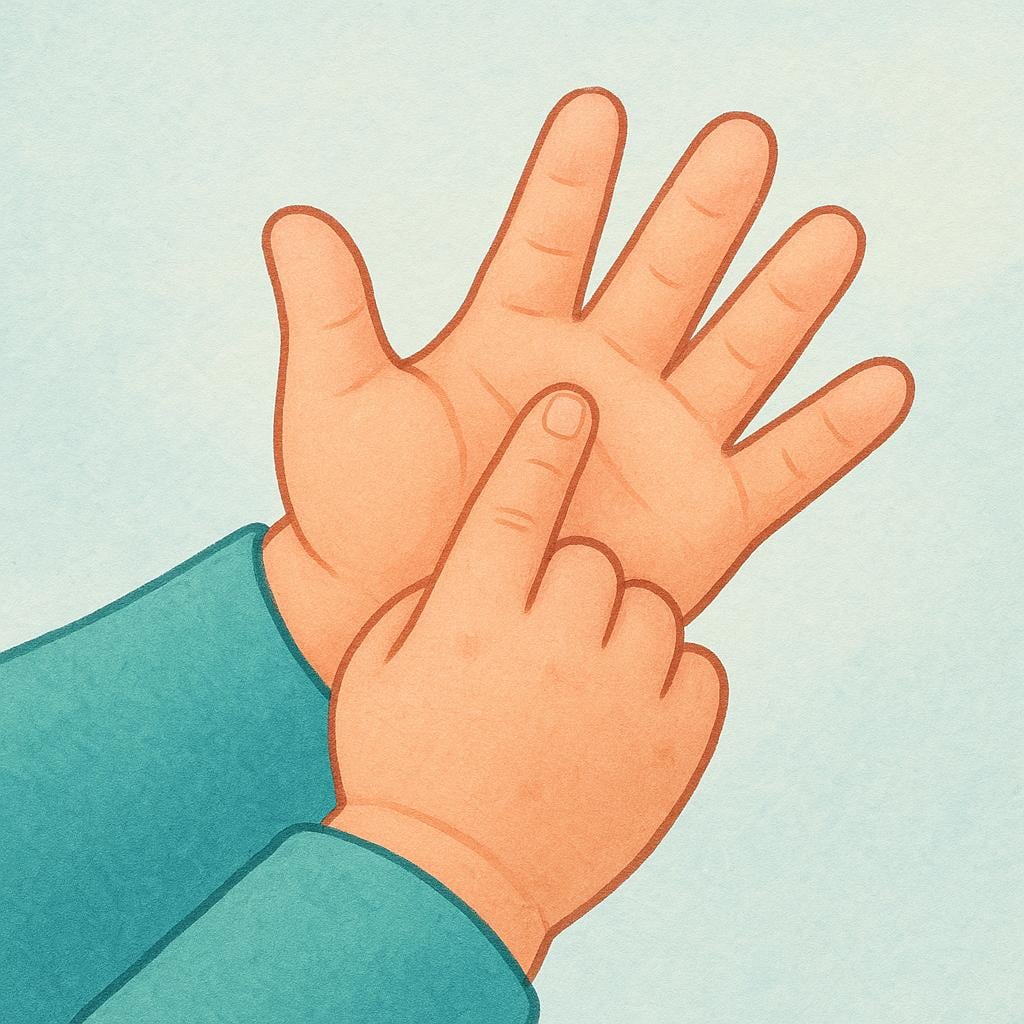
📝 In Action
Mi abuela contaba las monedas en la caja fuerte.
A1My grandmother was counting the coins in the safe.
Antes, yo contaba hasta diez antes de enojarme.
A2Before, I used to count to ten before getting angry.
was telling, used to tell
Also: was relating, was narrating
📝 In Action
El profesor contaba chistes malos todos los lunes.
A2The professor used to tell bad jokes every Monday.
¿Qué te contaba tu hermana sobre su viaje?
B1What was your sister telling you about her trip?
was relying on, was counting on
Also: was depending on
📝 In Action
Yo contaba con que llegarías a tiempo.
B1I was counting on you arriving on time.
Él contaba con el apoyo de su familia para estudiar.
B2He relied on his family's support to study.
Subjunctive
Imperfect Subjunctive
Present Subjunctive
Indicative
Imperfect
Present
Preterite
Translate to Spanish
Words that translate to "contaba" in Spanish:
was counting→was narrating→was numbering→was relating→was telling→✏️ Quick Practice
Quick Quiz: contaba
Question 1 of 2
Which meaning of 'contaba' is used in the sentence: 'Mi jefe contaba con mi presencia en la reunión.'
📚 More Resources
👥 Word Family▼
📚 Etymology▼
The word 'contar' comes from the Latin word *computāre*, meaning 'to calculate' or 'to reckon.' This origin explains why the Spanish verb evolved to cover both the mathematical meaning ('to count') and the narrative meaning ('to recount' or 'to tell').
First recorded: 10th century (as *contar*)
Cognates (Related words)
💡 Master Spanish
Take your Spanish to the next level. Read 200+ illustrated and narrated Spanish stories tailored to your level with the Inklingo app!
Frequently Asked Questions
Why does 'contaba' mean both 'was counting' and 'was telling'?
The verb 'contar' comes from a Latin root meaning 'to calculate or reckon.' This led to two related ideas: organizing numbers (counting) and organizing information/events (telling a story or recounting facts). Context always clarifies which meaning is intended.
What is the difference between 'contaba' and 'contó'?
Both are past tense, but 'contaba' (Imperfect) describes a continuous action ('I was counting') or a habit ('I used to count'). 'Contó' (Preterite) describes a single, finished action ('He counted/told once').