contaste
“contaste” means “you counted” in Spanish. It has 3 different meanings depending on context:
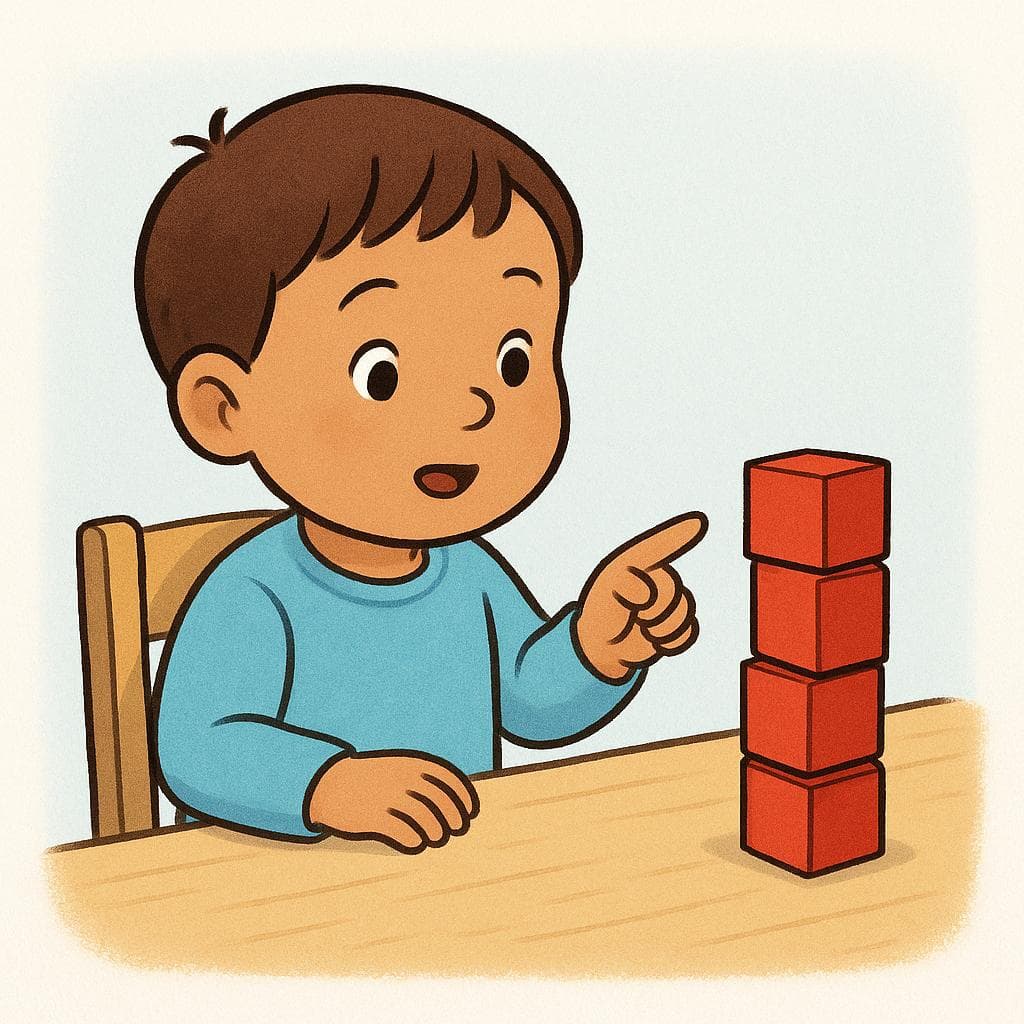


you countedAlso: you tallied
📝 In Action
¿Cuántos libros contaste en la estantería?
A1How many books did you count on the shelf?
Contaste las monedas rápidamente para ver si eran suficientes.
A2You counted the coins quickly to see if they were enough.
Word Connections
you toldAlso: you narrated

📝 In Action
¿Qué le contaste a tu jefe sobre el error?
A2What did you tell your boss about the mistake?
Contaste una historia muy divertida en la fiesta.
B1You told a really funny story at the party.
Word Connections
you relied onAlso: you counted on

📝 In Action
Contaste con su apoyo incondicional durante todo el proceso.
B1You relied on their unconditional support throughout the whole process.
Esperaba que vinieras porque contaste con mi ayuda.
B2I was waiting for you to come because you counted on my help.
Word Connections
Indicative
Present
Imperfect
Preterite
Subjunctive
Present Subjunctive
Imperfect Subjunctive
Translate to Spanish
Words that translate to "contaste" in Spanish:
✏️ Quick Practice
Quick Quiz: contaste
Question 1 of 2
Which English sentence correctly uses the meaning of 'contaste' related to narration?
📚 More Resources
👥 Word Family
🎵 Rhymes
📚 Etymology
Comes from the Latin verb *computāre*, meaning 'to calculate' or 'to reckon'. This root explains both the meaning of counting numbers and the meaning of relating (reckoning) a story.
First recorded: 10th century (as 'contar')
Cognates (Related words)
💡 Master Spanish
Take your Spanish to the next level. Read 200+ illustrated and narrated Spanish stories tailored to your level with the Inklingo app!
Frequently Asked Questions
What is the difference between 'contaste' and 'contabas'?
'Contaste' (Preterite) means you finished the action: 'You counted/told (once).' 'Contabas' (Imperfect) means the action was ongoing or habitual in the past: 'You were counting/telling' or 'You used to count/tell.'
Which person and tense is 'contaste'?
'Contaste' is the 'tú' (informal you) form in the preterite tense. It is used for actions you completed in the past.