Inklingo

controla

/kohn-TROH-lah/

controls

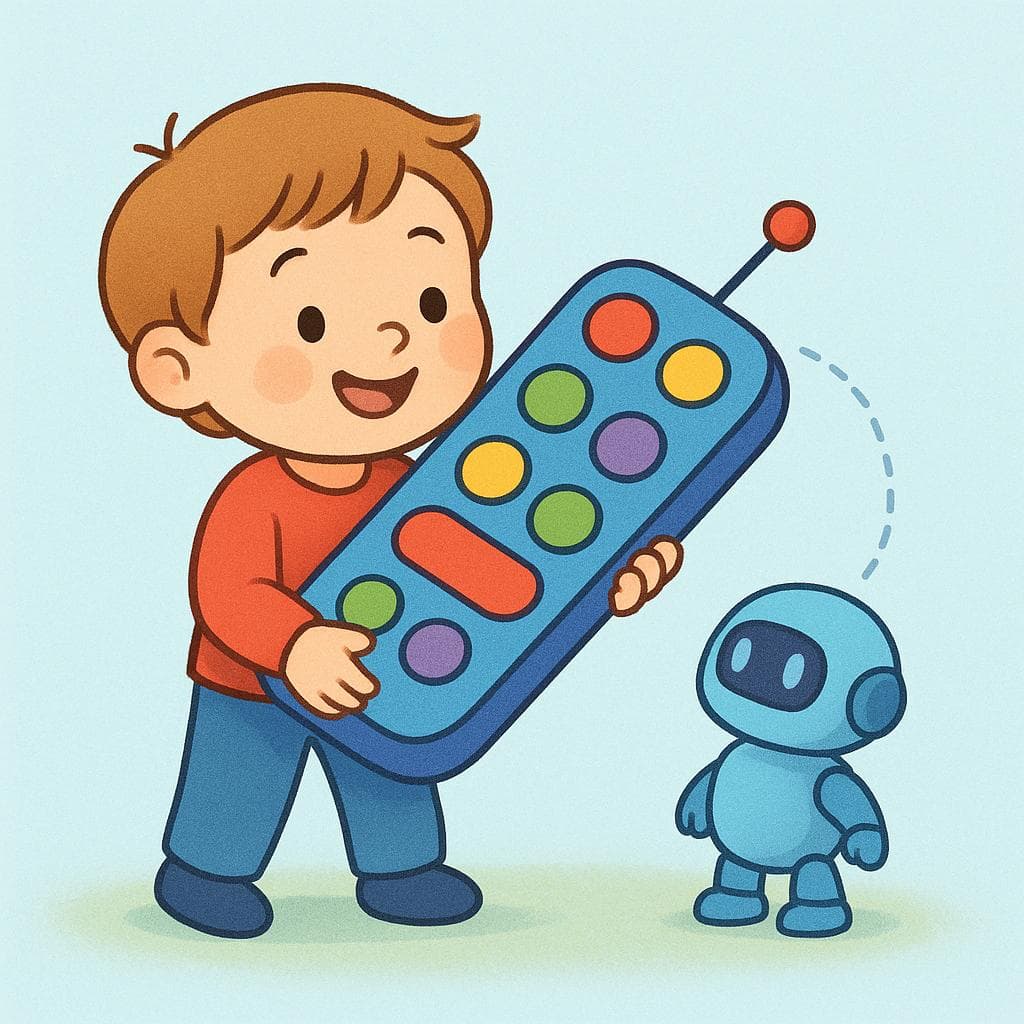
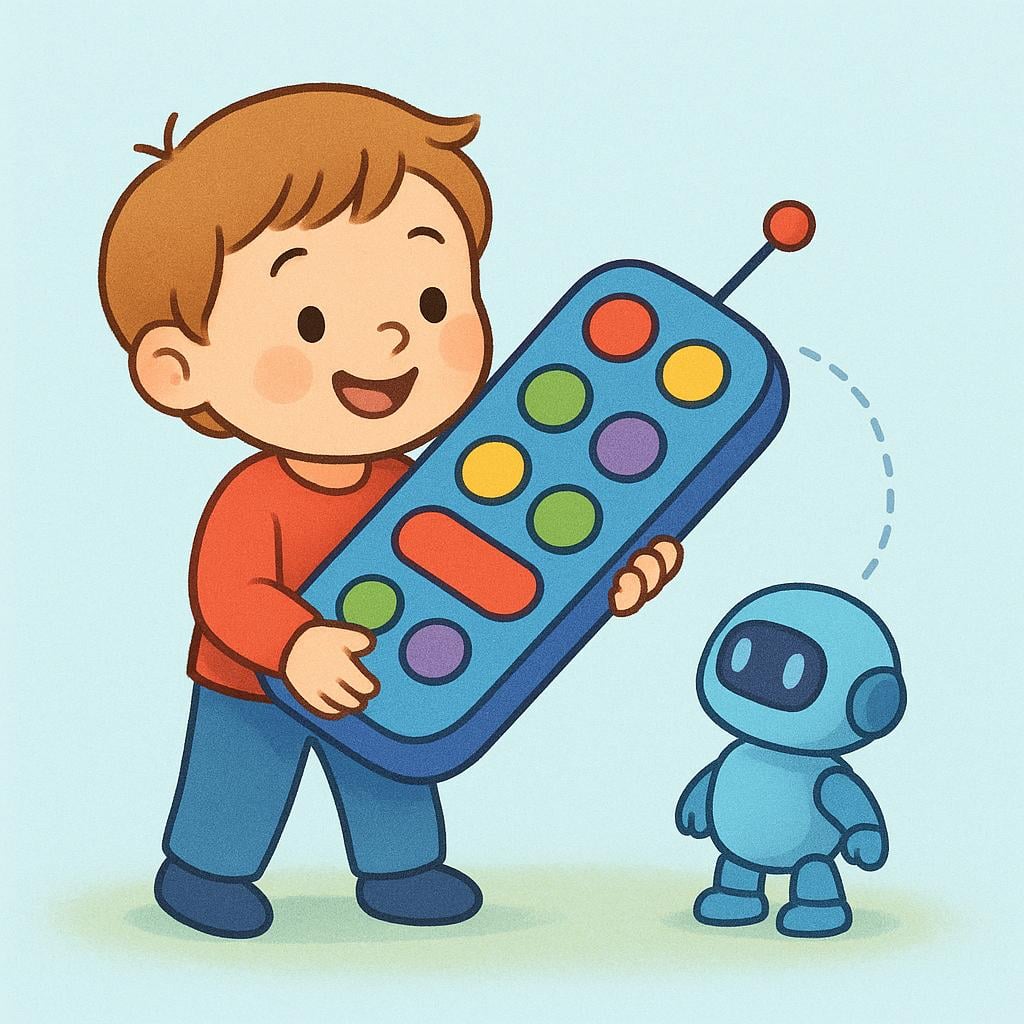
A child is holding a large, colorful remote control and directing a small, friendly robot that is moving exactly where the child points. This illustrates the subject controls the object.

He, she, or it controls (controla) the mechanism.

controla(Verb)

A1regular ar

controls

?

He, she, or it controls

,

manages

?

He, she, or it manages

Also:

is in charge of

?

Having authority over something

,

you (formal) control

?

When speaking formally to one person (usted)

📝 In Action

Mi hermana controla el presupuesto familiar.

A1

My sister controls the family budget.

El piloto automático controla la velocidad del avión.

A2

The autopilot controls the speed of the plane.
Word Connections

Synonyms

  • maneja (manages)
  • regula (regulates)

Common Collocations

  • controla la temperaturacontrols the temperature
  • controla la situacióncontrols the situation

💡 Grammar Points

The Hidden 'You'

Remember that 'controla' can mean 'he controls,' 'she controls,' or 'you (formal) control.' Spanish often leaves out the subject pronoun (él, ella, usted) when the meaning is clear.

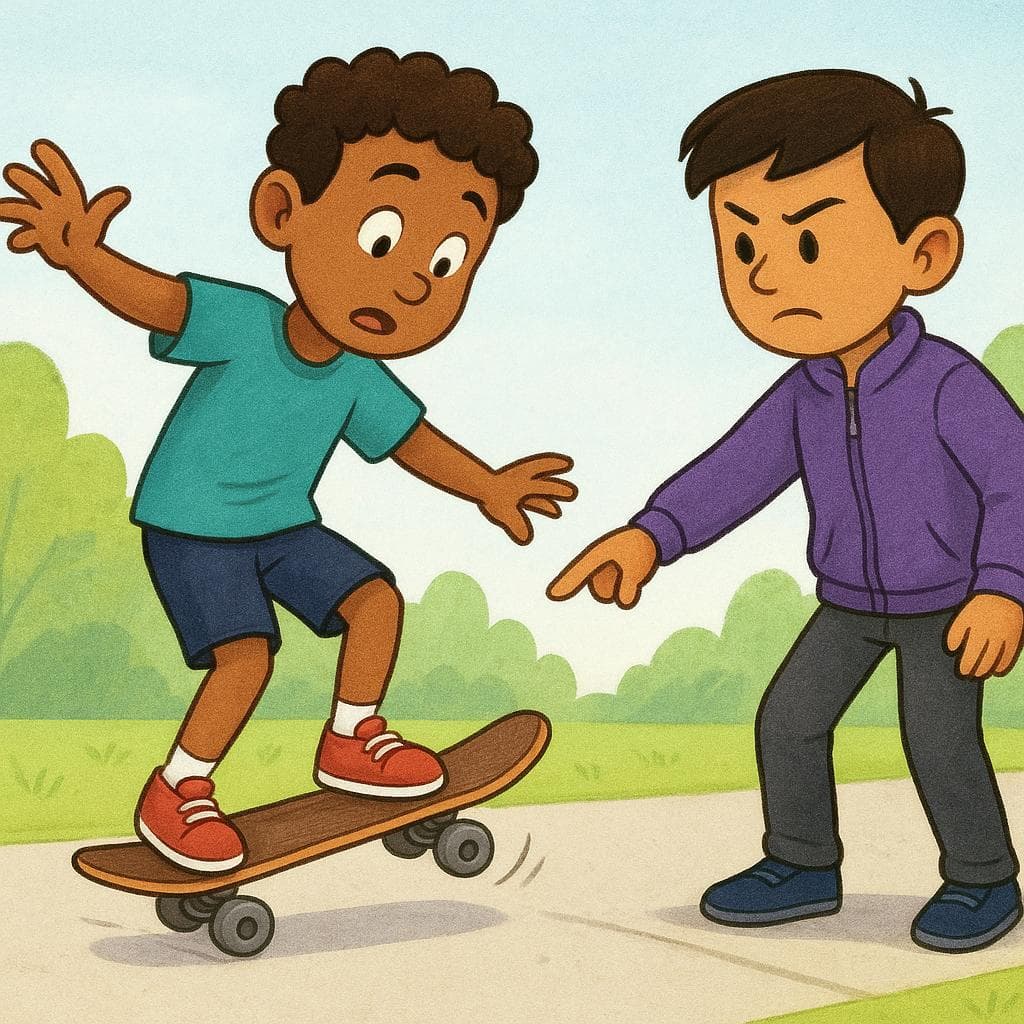
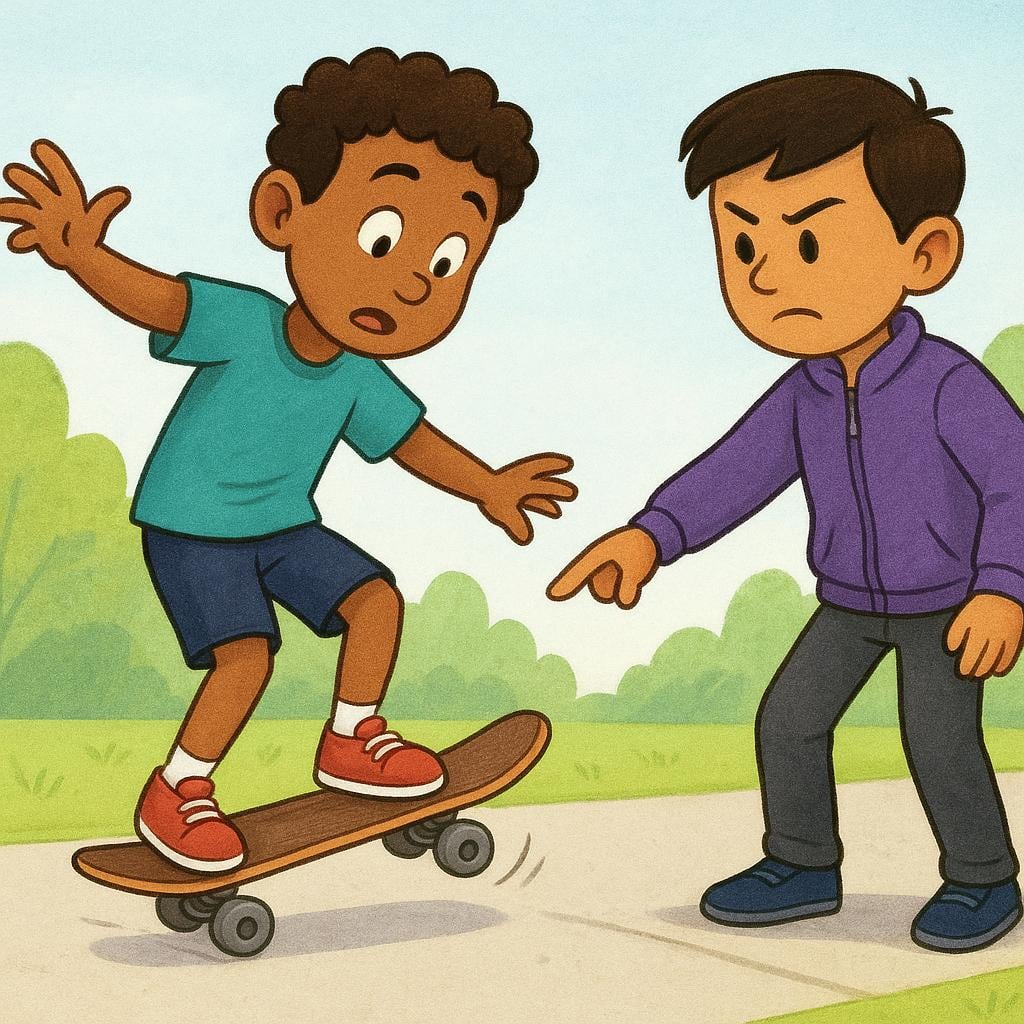
A person is standing on a skateboard that is tipping dangerously. A nearby friend points firmly towards the ground near the skateboarder's feet, signaling an urgent command to regain stability.

Used as an informal command, ¡Controla! means "Control!" or "Get control of yourself/it!"

controla(Verb (Command form))

A2regular ar

Control!

?

Informal command to one person (tú)

Also:

Get a grip!

?

A command regarding emotions or behavior

📝 In Action

¡Controla tu respiración! Estamos cerca de la meta.

A2

Control your breathing! We are close to the finish line.

Si te enojas, controla tu temperamento antes de hablar.

B1

If you get angry, control your temper before speaking.

Word Connections

Synonyms

  • modera (moderate/restrain)

Common Collocations

  • controla tus impulsoscontrol your impulses

💡 Grammar Points

Informal Commands are Easy

The informal affirmative command form ( command) for almost all regular verbs is exactly the same as the 'he/she/it' form in the present tense. For 'controlar', the command is 'controla'.

❌ Common Pitfalls

Negative Commands are Different

Mistake: "To tell someone NOT to control something, don't say 'no controla'."

Correction: You must use the subjunctive form: 'No controles ese botón' (Don't control/touch that button).

🔄 Conjugations

indicative

present

él/ella/ustedcontrola
yocontrolo
controlas
ellos/ellas/ustedescontrolan
nosotroscontrolamos
vosotroscontroláis

imperfect

él/ella/ustedcontrolaba
yocontrolaba
controlabas
ellos/ellas/ustedescontrolaban
nosotroscontrolábamos
vosotroscontrolabais

preterite

él/ella/ustedcontroló
yocontrolé
controlaste
ellos/ellas/ustedescontrolaron
nosotroscontrolamos
vosotroscontrolasteis

subjunctive

present

él/ella/ustedcontrole
yocontrole
controles
ellos/ellas/ustedescontrolen
nosotroscontrolemos
vosotroscontroléis

imperfect

él/ella/ustedcontrolara/controlase
yocontrolara/controlase
controlaras/controlases
ellos/ellas/ustedescontrolaran/controlasen
nosotroscontroláramos/controlásemos
vosotroscontrolarais/controlaseis

✏️ Quick Practice

💡 Quick Quiz: controla

Question 1 of 2

Which sentence uses 'controla' as an informal command?

📚 More Resources

Word Family

control(control, check) - noun
controlar(to control (infinitive)) - verb

Frequently Asked Questions

How do I know if 'controla' is a command or a statement?

If 'controla' is at the beginning of the sentence, often with an exclamation mark, and is directed at an informal 'you' (tú), it is usually a command. If it follows a subject like 'él,' 'ella,' 'usted,' or a noun (El jefe), it is a statement about what that person or thing is doing.

What is the difference between 'controla' and 'controle'?

'Controla' is the command you give to a friend (`tú`). 'Controle' is the command you give to someone formally, like your boss or a stranger (`usted`).