coro
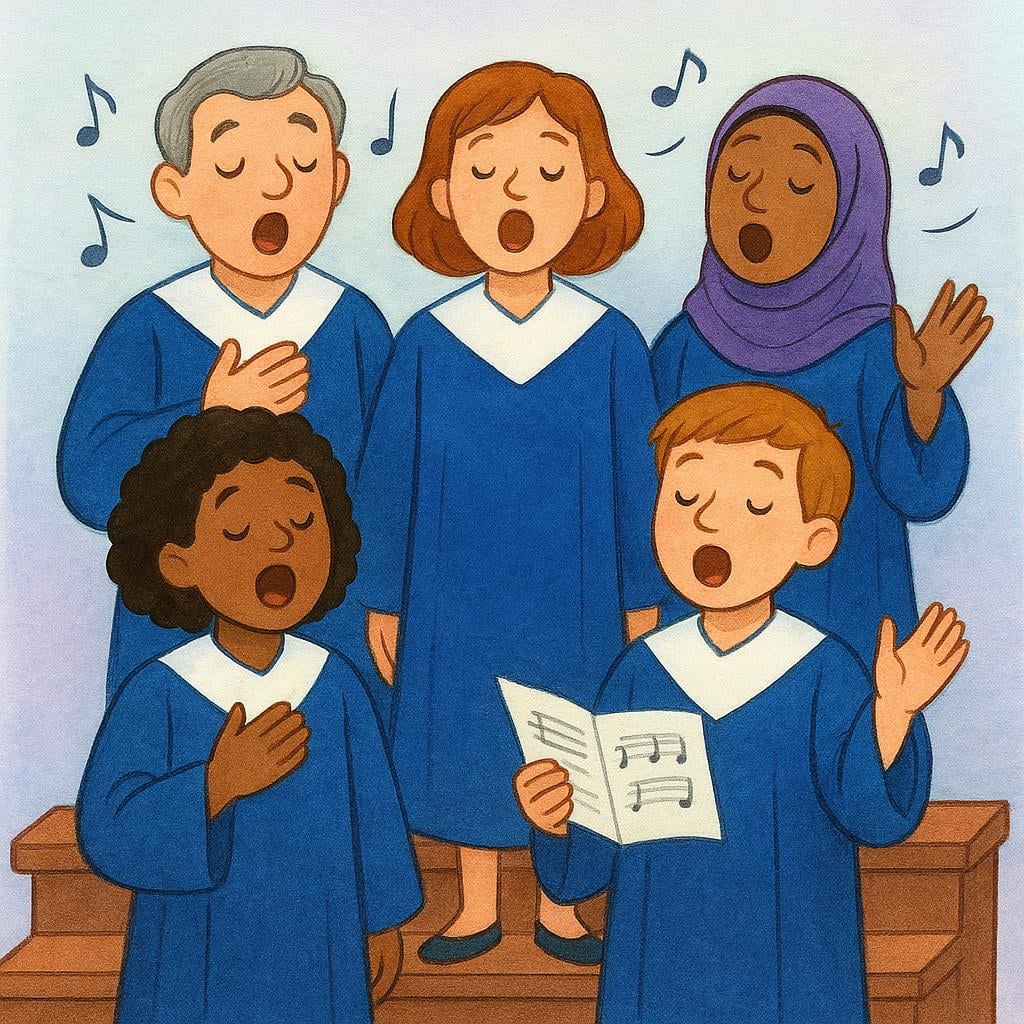
“coro” means “choir” in Spanish. It has 3 different meanings depending on context:

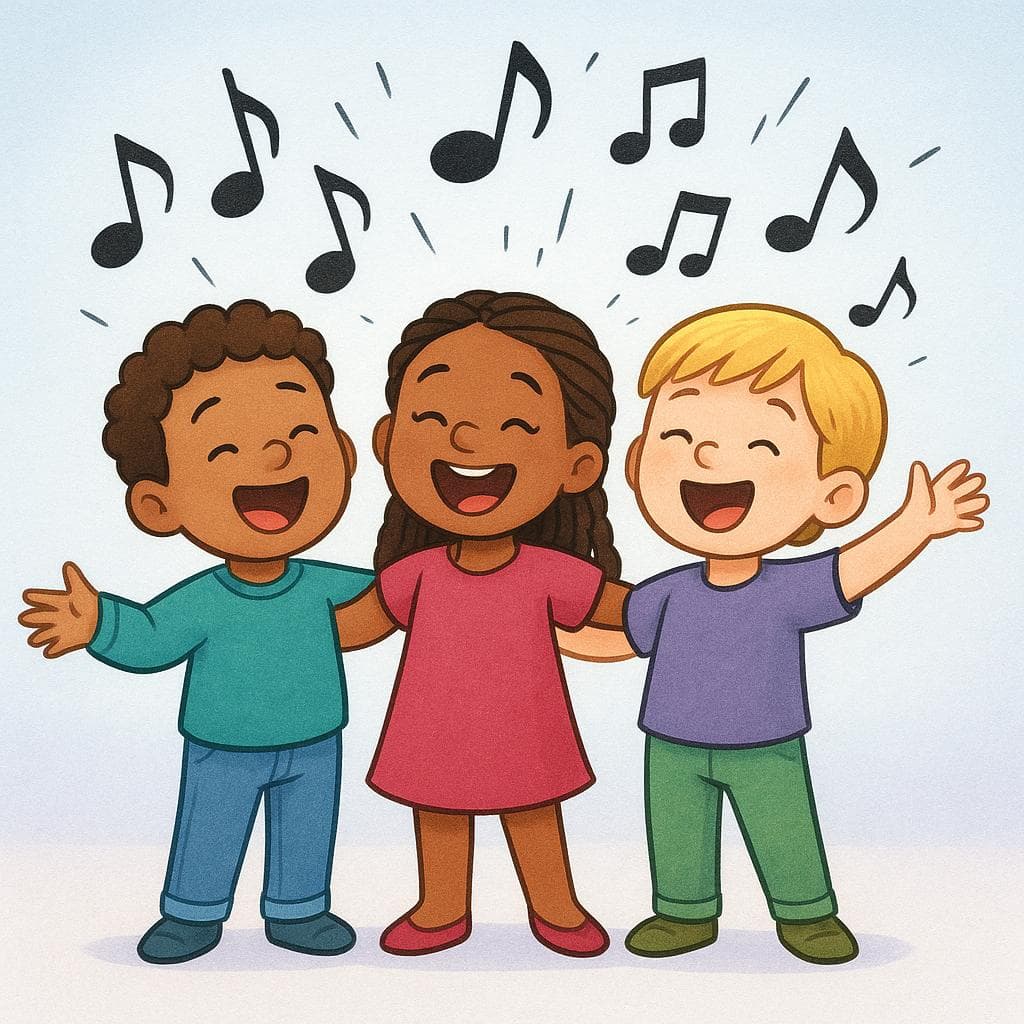

choir, chorus
📝 In Action
El coro de niños cantó en la misa de Navidad.
A1The children's choir sang at the Christmas mass.
El director del coro nos pidió que practicáramos más fuerte.
A2The choir director asked us to practice louder.
Word Connections
chorus, refrain
📝 In Action
El coro de esta canción es muy pegadizo.
A2The chorus of this song is very catchy.
La banda repitió el coro varias veces al final.
B1The band repeated the refrain several times at the end.
Word Connections
in unisonAlso: simultaneously

📝 In Action
Todos los estudiantes gritaron '¡Sorpresa!' a coro.
B1All the students shouted 'Surprise!' in unison.
Cuando le hicieron la pregunta, el público asintió a coro.
B2When they asked him the question, the audience nodded simultaneously.
Word Connections
Translate to Spanish
🗣️ Practice in a Tongue Twister
✏️ Quick Practice
Quick Quiz: coro
Question 1 of 2
¿Cuál es la traducción correcta de 'El coro de la canción es fácil de recordar'?
📚 More Resources
👥 Word Family
📚 Etymology
Comes from the Latin word 'chorus,' which originally referred to a circular dance or a group of people performing it. This later evolved to mean the group of people singing together.
First recorded: Medieval Latin
Cognates (Related words)
💡 Master Spanish
Take your Spanish to the next level. Read 200+ illustrated and narrated Spanish stories tailored to your level with the Inklingo app!
Frequently Asked Questions
¿Cuál es la diferencia entre 'coro' y 'estribillo'?
Both words mean the 'chorus' or 'refrain' of a song. 'Coro' is more common in general conversation, while 'estribillo' is a perfect synonym that is also very widely used.
¿Puede 'coro' referirse a un lugar físico?
Yes, in older or formal contexts, especially when talking about church architecture, 'el coro' refers to the chancel or the area reserved for the singers or clergy.