corona
“corona” means “crown” in Spanish. It has 4 different meanings depending on context:



crown
Also: monarchy, krone
📝 In Action
La reina lleva una corona de oro en las ceremonias importantes.
A2The queen wears a gold crown during important ceremonies.
La corona británica tiene siglos de historia.
B1The British crown (monarchy) has centuries of history.
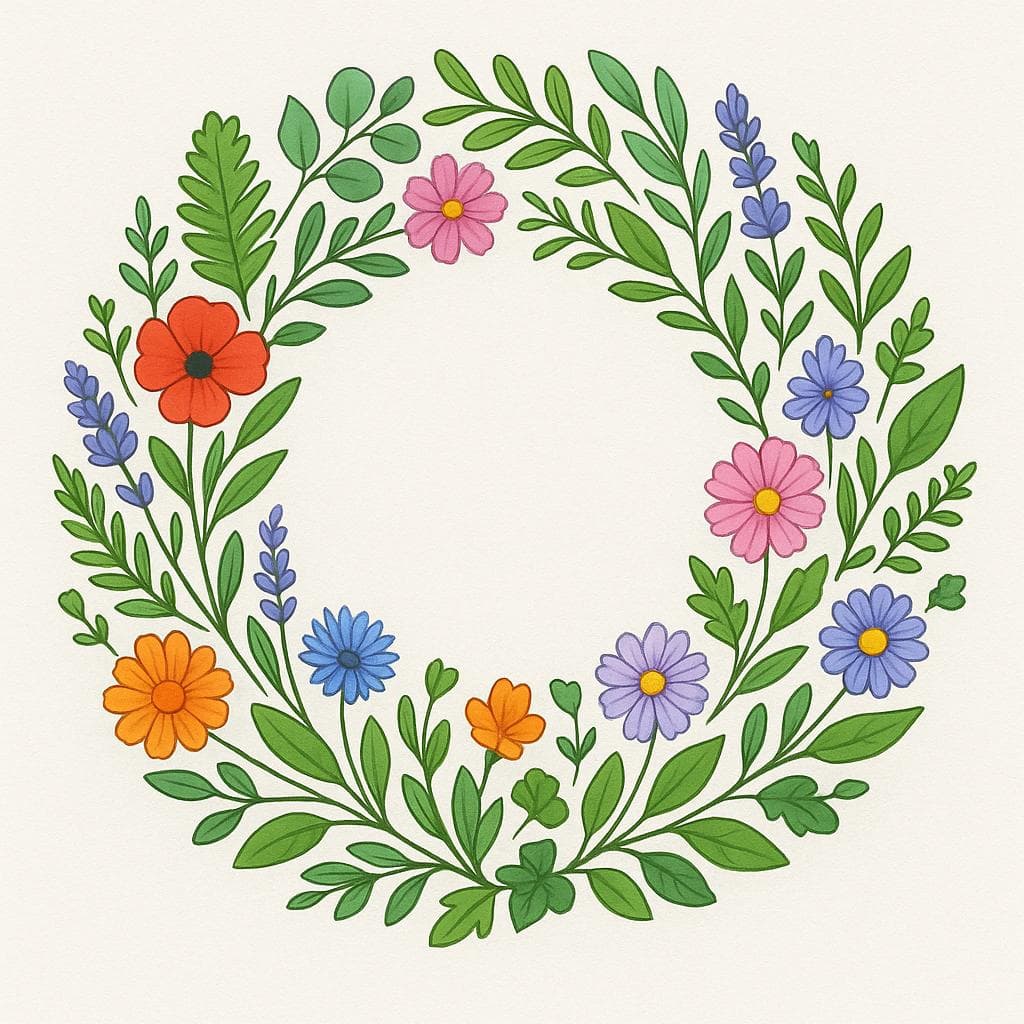
wreath
Also: garland, halo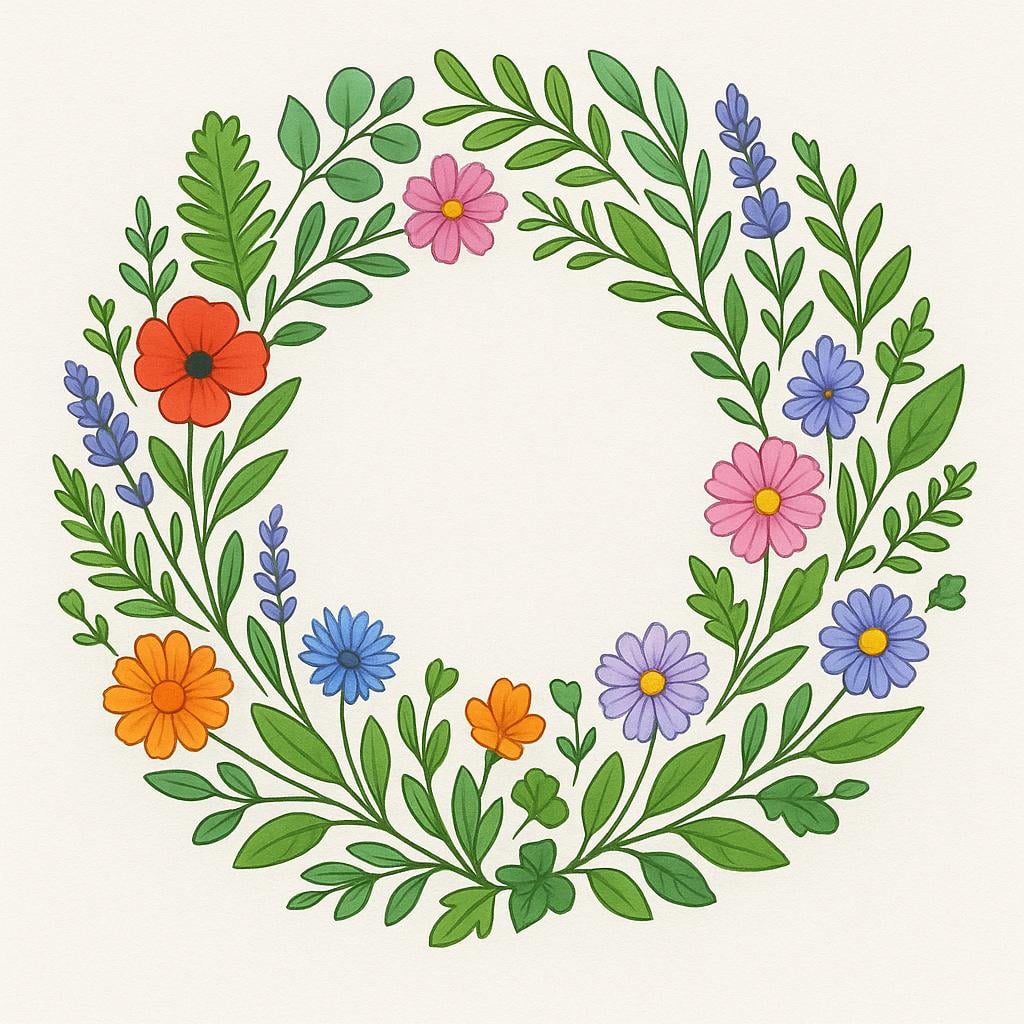
📝 In Action
Pusieron una corona de laurel en la estatua del héroe.
B1They placed a laurel wreath on the hero's statue.
En la noche se veía una corona de luz alrededor de la luna.
B2At night, a halo of light was visible around the moon.
crown
Also: cap
📝 In Action
El dentista me dijo que necesito una corona de porcelana.
B2The dentist told me I need a porcelain crown.
La corona de la muela está floja.
C1The crown of the molar is loose.
he/she/it crowns
Also: he/she/it finishes
📝 In Action
La victoria corona una carrera profesional brillante.
B2The victory crowns a brilliant professional career.
El presidente corona al atleta con la medalla de oro.
B1The president crowns the athlete with the gold medal.
Indicative
Present
Imperfect
Preterite
Subjunctive
Present Subjunctive
Imperfect Subjunctive
Translate to Spanish
✏️ Quick Practice
Quick Quiz: corona
Question 1 of 2
Which sentence uses 'corona' as a verb?
📚 More Resources
👥 Word Family▼
📚 Etymology▼
The word comes directly from the Latin *corōna*, which originally meant 'wreath' or 'garland.' Because wreaths were often worn on the head as a symbol of victory or honor, the meaning evolved to include the royal crown we know today.
First recorded: Appeared in Spanish during the 13th century.
Cognates (Related words)
💡 Master Spanish
Take your Spanish to the next level. Read 200+ illustrated and narrated Spanish stories tailored to your level with the Inklingo app!
Frequently Asked Questions
Why does 'corona' also mean 'wreath'?
The original meaning of 'corona' in Latin was 'wreath' or 'garland,' referring to any circular head decoration. This meaning stuck around, especially for arrangements of flowers used in ceremonies or memorials.
Does 'corona' have anything to do with the virus?
Yes, indirectly. The coronavirus gets its name because under a microscope, the virus appears to have spikes surrounding it, making it look like a little crown or halo ('corona').