Inklingo

creerá

/kray-eh-RAH/

will believe

A smiling child sitting on the floor, holding an open, colorful book and nodding slightly, showing acceptance and belief in the information presented.

The student will believe the fact they read in the book.

creerá(verb)

A1regular er

will believe

?

accepting a statement or fact

Also:

will think

?

expressing a future opinion or assumption

📝 In Action

Si le muestras las pruebas, él te creerá inmediatamente.

A2

If you show him the evidence, he will believe you immediately.

La gente creerá lo que dicen los periódicos.

B1

People will believe what the newspapers say.

Word Connections

Synonyms

  • pensará (will think)
  • aceptará (will accept)

Antonyms

  • dudará (will doubt)
  • negará (will deny)

Common Collocations

  • Creerá la verdadHe/she/you (formal) will believe the truth
  • No lo creeráHe/she/you (formal) won't believe it

💡 Grammar Points

Future Tense Function

The 'future' tense tells you that the action will happen later, in the future. It's built by adding special endings to the entire base verb (creer).

The 'él/ella/usted' Form

'Creerá' is used when the person doing the believing is 'he,' 'she,' or the formal 'you' (usted). The accent mark on the 'a' is essential for the future tense.

❌ Common Pitfalls

Misplacing the Accent

Mistake: "Creera (without the accent)"

Correction: Creerá. In the simple future, the accent mark on the last vowel is crucial to show it's the future tense, not the present.

⭐ Usage Tips

No 'Will' Needed

Unlike English, where you need 'will' + verb, the Spanish future tense ('creerá') already includes the idea of 'will' right in the word.

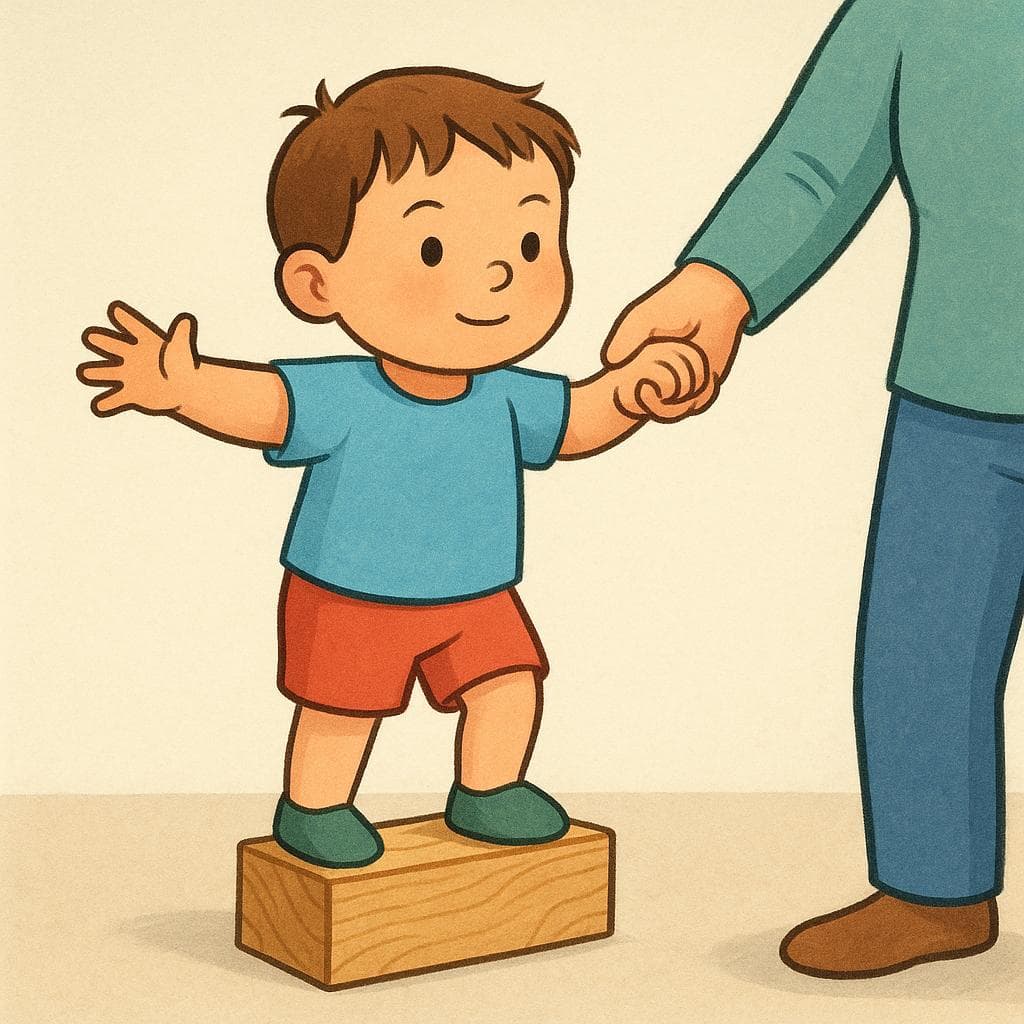
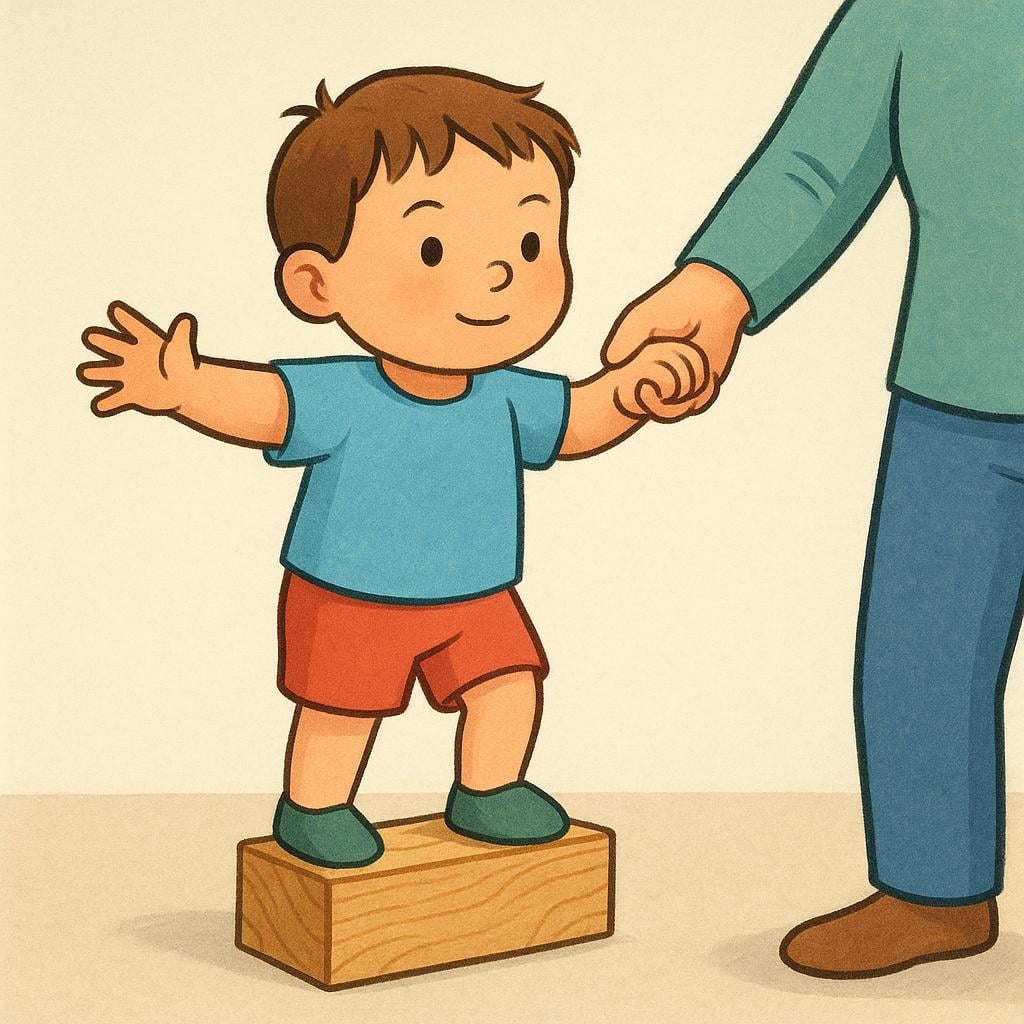
A small child is standing on a low, wobbly platform, confidently reaching out their hand to an adult who is firmly grasping it, symbolizing trust and support.

The child will trust the adult to hold their hand and guide them.

creerá(verb)

B1regular er

will trust

?

having confidence in a person

Also:

will have faith

?

spiritual or personal confidence

📝 In Action

Aunque sea difícil, ella siempre creerá en su capacidad para triunfar.

B1

Even if it's difficult, she will always believe in her ability to succeed.

Si usted le demuestra lealtad, creerá en usted ciegamente.

B2

If you show him/her loyalty, he/she/you (formal) will trust you blindly.

Word Connections

Synonyms

  • confiará (will trust)
  • esperará (will hope)

Antonyms

  • desconfiará (will distrust)

Common Collocations

  • Creerá en sí mismoHe/she/you (formal) will believe in himself/herself/yourself
  • Creerá en DiosHe/she/you (formal) will believe in God

💡 Grammar Points

Using 'en'

When 'creer' means 'to trust' or 'to have faith,' it nearly always needs the preposition 'en' (in) immediately after it: 'creer en alguien' (to believe/trust in someone).

❌ Common Pitfalls

Missing the Preposition

Mistake: "Ella creerá su amigo."

Correction: Ella creerá en su amigo. (She will believe/trust in her friend.)

⭐ Usage Tips

Future Intentions

This form is perfect for talking about someone's future intentions regarding faith or loyalty, especially when making promises or predictions.

🔄 Conjugations

indicative

preterite

él/ella/ustedcreyó
ellos/ellas/ustedescreyeron
vosotroscreísteis
nosotroscreímos
yocreí
creíste

present

él/ella/ustedcree
ellos/ellas/ustedescreen
vosotroscreéis
nosotroscreemos
yocreo
crees

imperfect

él/ella/ustedcreía
ellos/ellas/ustedescreían
vosotroscreíais
nosotroscreíamos
yocreía
creías

subjunctive

present

él/ella/ustedcrea
ellos/ellas/ustedescrean
vosotroscreáis
nosotroscreamos
yocrea
creas

imperfect

él/ella/ustedcreyera/creyese
ellos/ellas/ustedescreyeran/creyesen
vosotroscreyerais/creyeseis
nosotroscreyéramos/creyésemos
yocreyera/creyese
creyeras/creyeses

✏️ Quick Practice

💡 Quick Quiz: creerá

Question 1 of 1

Which sentence correctly uses 'creerá' in the sense of accepting a fact?

📚 More Resources

Word Family

creer(to believe) - verb

Frequently Asked Questions

What is the difference between 'creerá' and 'va a creer'?

Both mean 'will believe.' 'Creerá' (the simple future) is often used for predictions or distant future events. 'Va a creer' (the immediate future) is used for events that are certain or happening very soon. Both are correct, but 'creerá' sounds slightly more formal or predictive.

Why does 'creerá' have an accent mark?

The accent mark on the final 'a' is necessary to show that the stress falls on the last syllable, which is a key characteristic of the simple future tense in Spanish. Without it, the word would be stressed incorrectly.