cuernos
“cuernos” means “horns” in Spanish. It has 2 different meanings depending on context:


horns
Also: antlers, horn
📝 In Action
Los cuernos del toro eran impresionantes y afilados.
B1The bull's horns were impressive and sharp.
El cazador tiene unos cuernos de venado colgados en su cabaña.
B2The hunter has some deer antlers hanging in his cabin.
cheating
Also: infidelity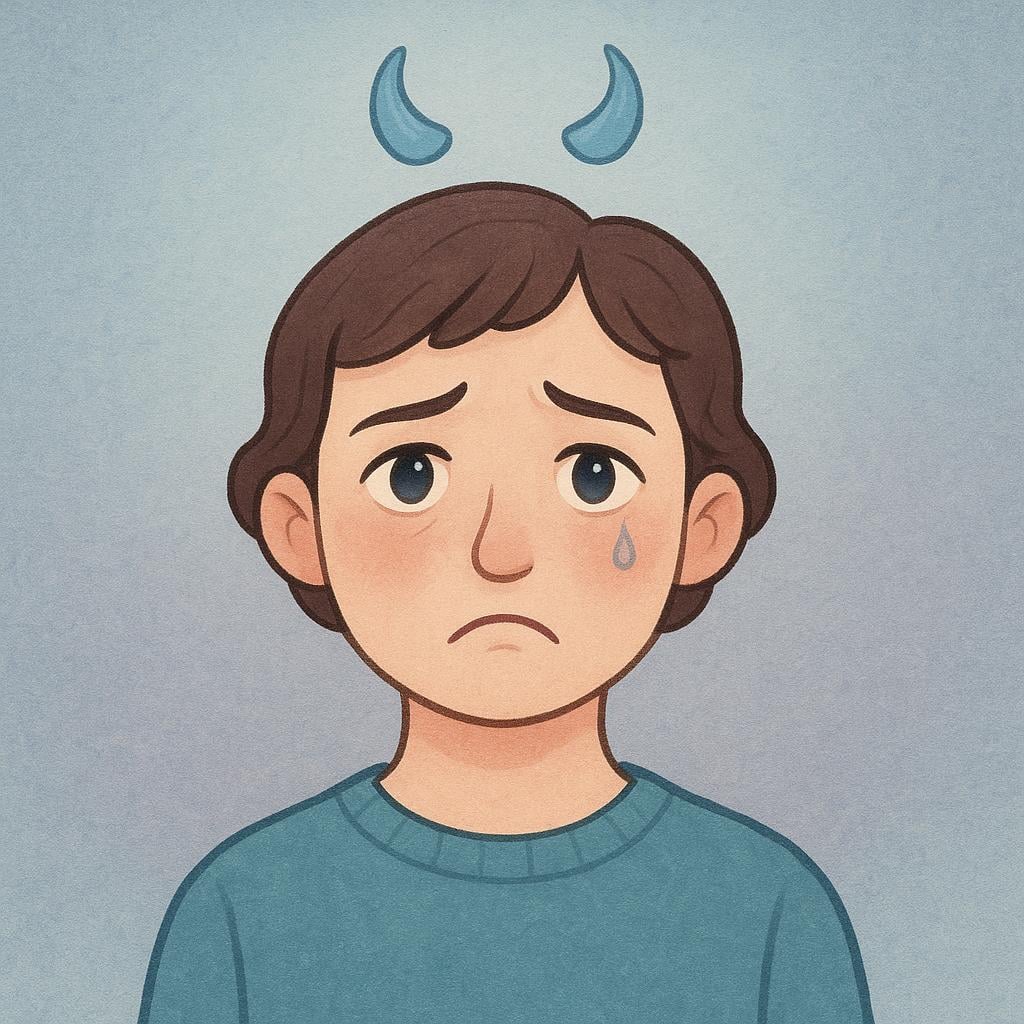
📝 In Action
Descubrió que su pareja le estaba poniendo los cuernos con un compañero de trabajo.
B2She discovered that her partner was cheating on her with a coworker.
Nadie quiere llevar los cuernos en una relación.
C1Nobody wants to be cheated on (literally: to carry the horns) in a relationship.
Translate to Spanish
✏️ Quick Practice
Quick Quiz: cuernos
Question 1 of 1
Which sentence uses 'cuernos' in its common figurative (non-literal) meaning?
📚 More Resources
👥 Word Family▼
🎵 Rhymes▼
📚 Etymology▼
The word comes from the Latin word *cornus*, meaning 'horn.' The connection between horns and infidelity dates back to medieval times, possibly linked to the practice of giving horned animals (like stags) to a man whose wife was unfaithful, or simply symbolizing the shame of having a hidden burden (the horns).
First recorded: 13th century (in Spanish as 'cuerno')
Cognates (Related words)
💡 Master Spanish
Take your Spanish to the next level. Read 200+ illustrated and narrated Spanish stories tailored to your level with the Inklingo app!
Frequently Asked Questions
¿Por qué significa 'cheating'?
The phrase 'poner los cuernos' (to put the horns on someone) is an old European idiom for infidelity. It might come from the idea of a cuckolded husband being given a pair of horns as a symbol of his shame, or from the similarity of the animal's horns to the hidden burden of being cheated on.