cuna
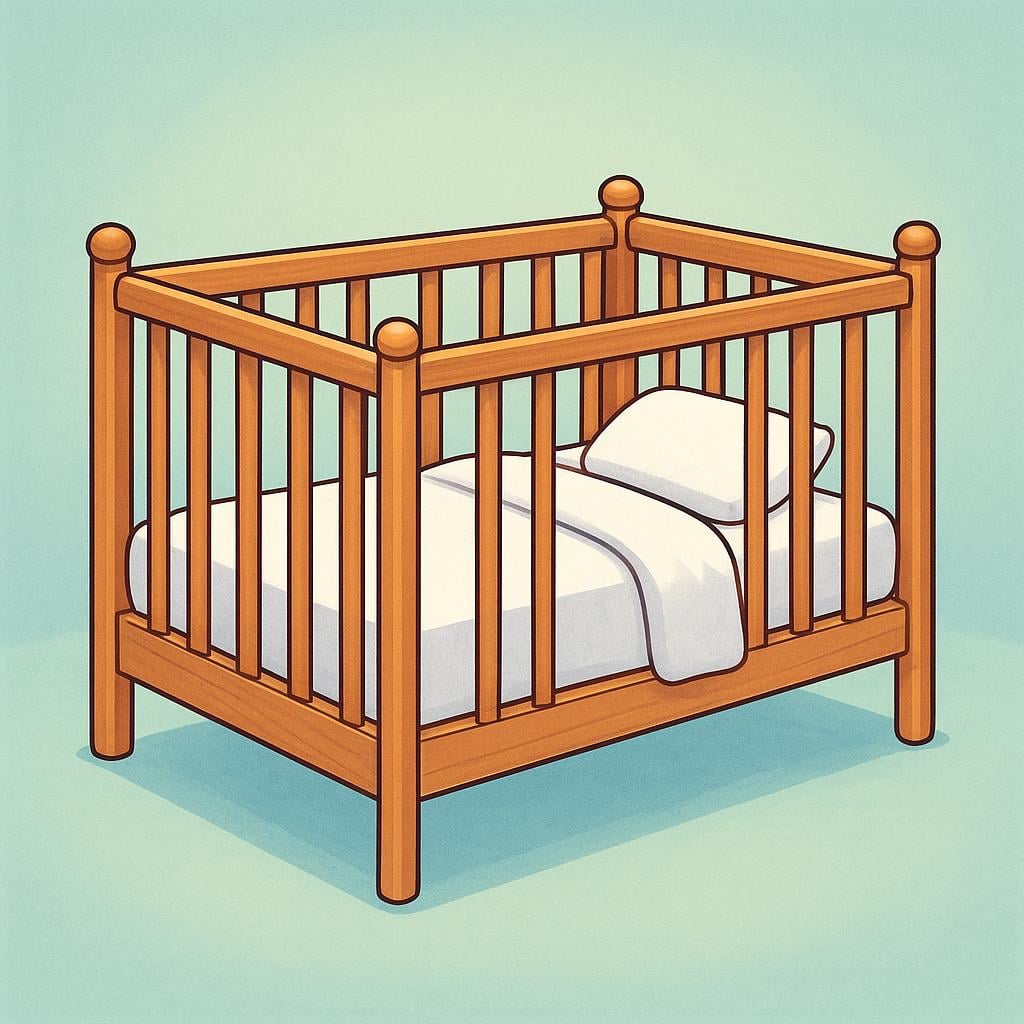
“cuna” means “crib” in Spanish. It has 2 different meanings depending on context:
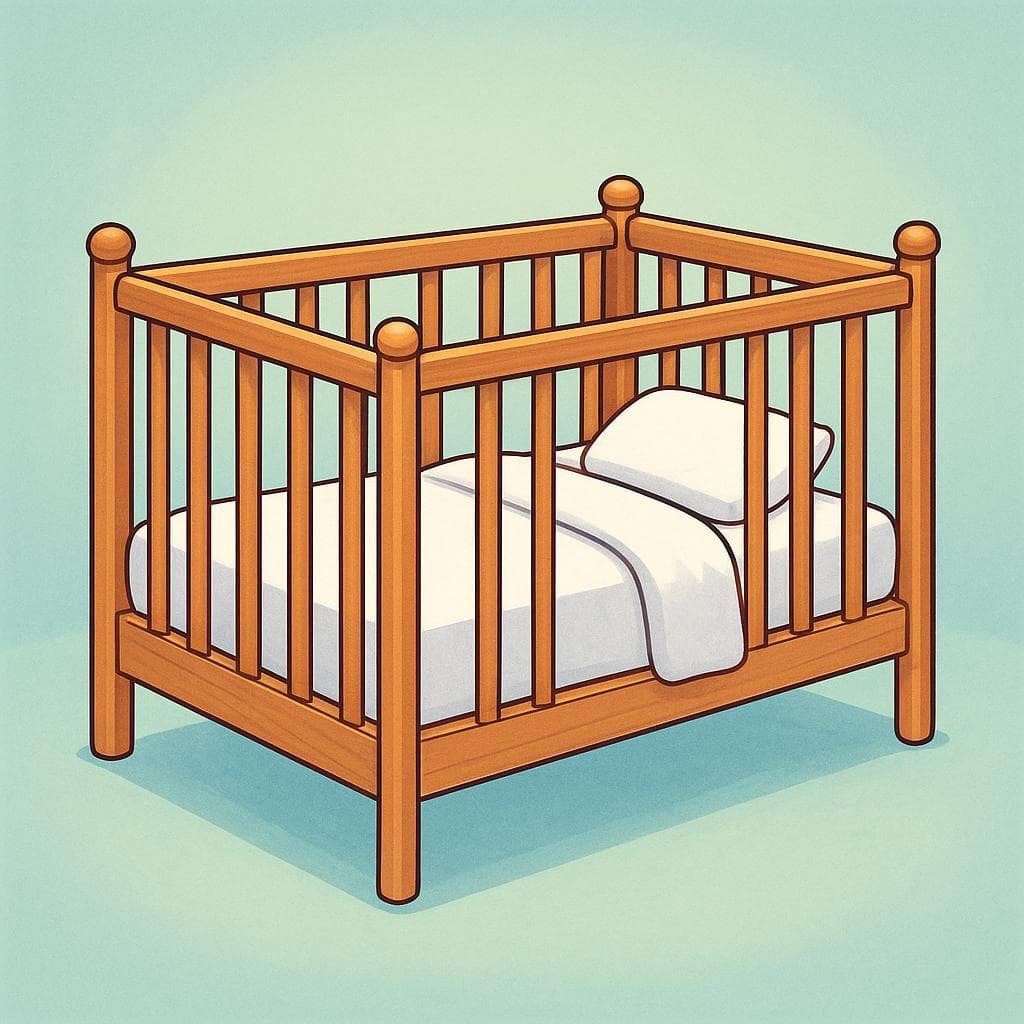

crib, cotAlso: cradle
📝 In Action
El bebé está durmiendo tranquilamente en su cuna.
A1The baby is sleeping peacefully in their crib.
Necesitamos armar la cuna antes de que llegue el recién nacido.
A2We need to set up the cot before the newborn arrives.
Word Connections
cradle, birthplaceAlso: origin

📝 In Action
Sevilla es considerada la cuna del flamenco.
B2Seville is considered the cradle (birthplace) of flamenco.
Aunque de cuna humilde, el artista conquistó el mundo.
C1Although from humble beginnings (a humble cradle), the artist conquered the world.
Word Connections
Translate to Spanish
Words that translate to "cuna" in Spanish:
✏️ Quick Practice
Quick Quiz: cuna
Question 1 of 2
Which meaning of 'cuna' is used in the phrase: 'Esta ciudad es la cuna de los grandes músicos'?
📚 More Resources
👥 Word Family
📚 Etymology
The word comes directly from the Latin word *cūna*, which also meant 'cradle' or 'bed for a child.' It has been used in Spanish since the Middle Ages.
First recorded: 13th century
Cognates (Related words)
💡 Master Spanish
Take your Spanish to the next level. Read 200+ illustrated and narrated Spanish stories tailored to your level with the Inklingo app!
Frequently Asked Questions
¿Es 'cuna' una palabra de doble género?
No, *cuna* es un sustantivo que siempre es femenino. Siempre decimos *la cuna* (the crib), sin importar si nos referimos al objeto o al origen figurado.
How do I say 'rock the baby to sleep' using 'cuna'?
You would use the verb *mecer* (to rock) with the noun: *mecer la cuna* or *acunar al bebé*. The verb *acunar* is directly related to *cuna* and means 'to cradle' or 'to lull.'