cura
“cura” means “cure” in Spanish. It has 3 different meanings depending on context:
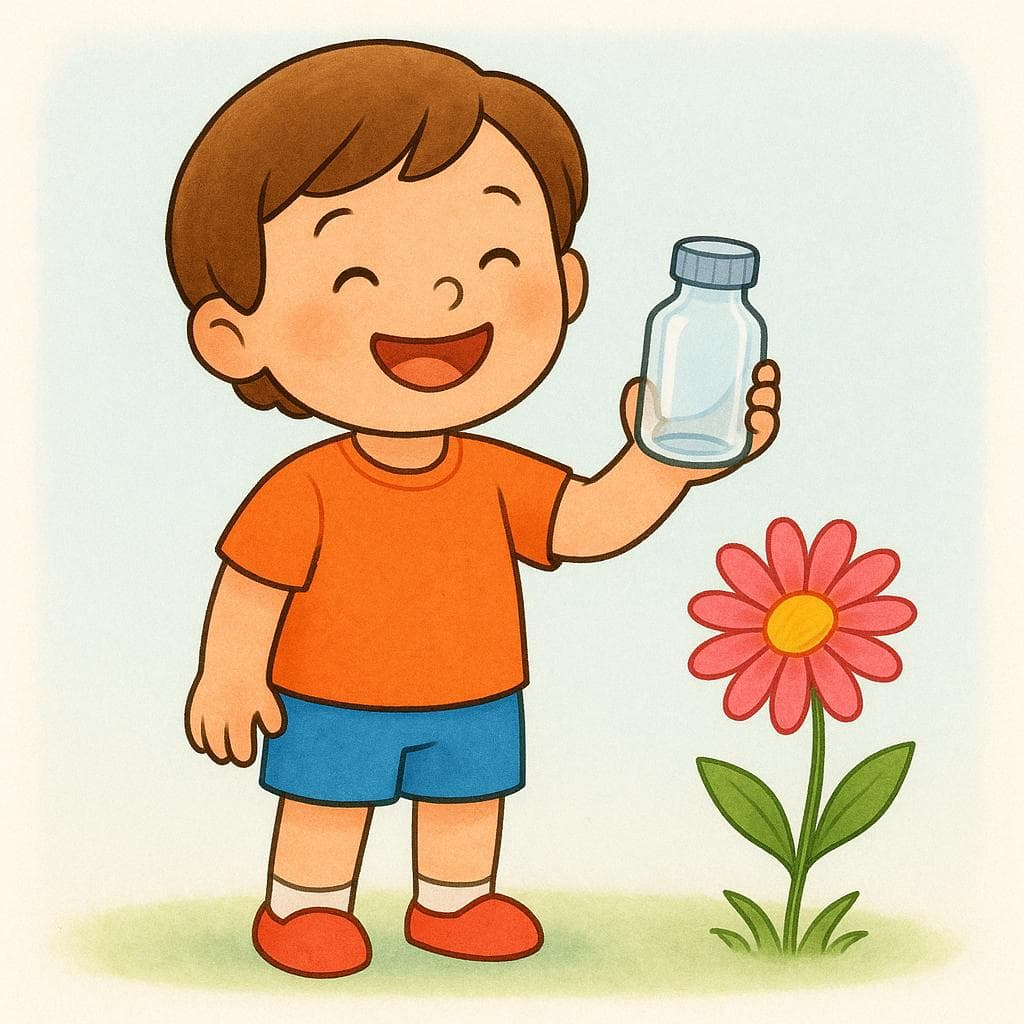


cure, remedy
Also: healing
📝 In Action
La ciencia busca la cura definitiva contra el cáncer.
B1Science is looking for the definitive cure against cancer.
Parece que no hay una cura fácil para este problema.
A2It seems there is no easy remedy for this problem.
priest

📝 In Action
El cura de mi pueblo es muy amable y ayuda a todos.
A2The priest in my town is very kind and helps everyone.
Tuvimos una reunión con el cura para organizar el evento.
B1We had a meeting with the priest to organize the event.
he/she/it cures/heals, Heal!

📝 In Action
El doctor dice que la medicina cura la infección rápidamente.
A1The doctor says the medicine cures the infection quickly.
¡Cura esa herida con alcohol y tápala!
A2Heal that wound with alcohol and cover it!
Se dice que el tiempo cura las heridas del corazón.
B1They say that time heals wounds of the heart.
Indicative
Present
Imperfect
Preterite
Subjunctive
Present Subjunctive
Imperfect Subjunctive
✏️ Quick Practice
Quick Quiz: cura
Question 1 of 2
Which sentence uses 'cura' to refer to a person?
📚 More Resources
👥 Word Family▼
🎵 Rhymes▼
📚 Etymology▼
Both meanings of 'cura' trace back to the Latin word *cūra*, which meant 'care, concern, or attention.' The religious meaning evolved because the priest is traditionally the 'carer' or 'curator' of souls, while the medical meaning refers to the 'care' needed to heal an injury or illness.
First recorded: 13th century
Cognates (Related words)
💡 Master Spanish
Take your Spanish to the next level. Read 200+ illustrated and narrated Spanish stories tailored to your level with the Inklingo app!
Frequently Asked Questions
How can I tell the difference between the two main noun meanings of 'cura'?
The easiest way is by gender! If you see 'el cura' (masculine article), it means 'the priest.' If you see 'la cura' (feminine article), it means 'the cure' or 'the remedy.' They are distinct words, even though they look the same.
Is 'cura' used often as a verb?
Yes, but remember 'cura' is only one specific form of the verb 'curar' (to heal). It means 'he/she/it heals' in the present tense, or it is the informal command form 'Heal!'