decepción
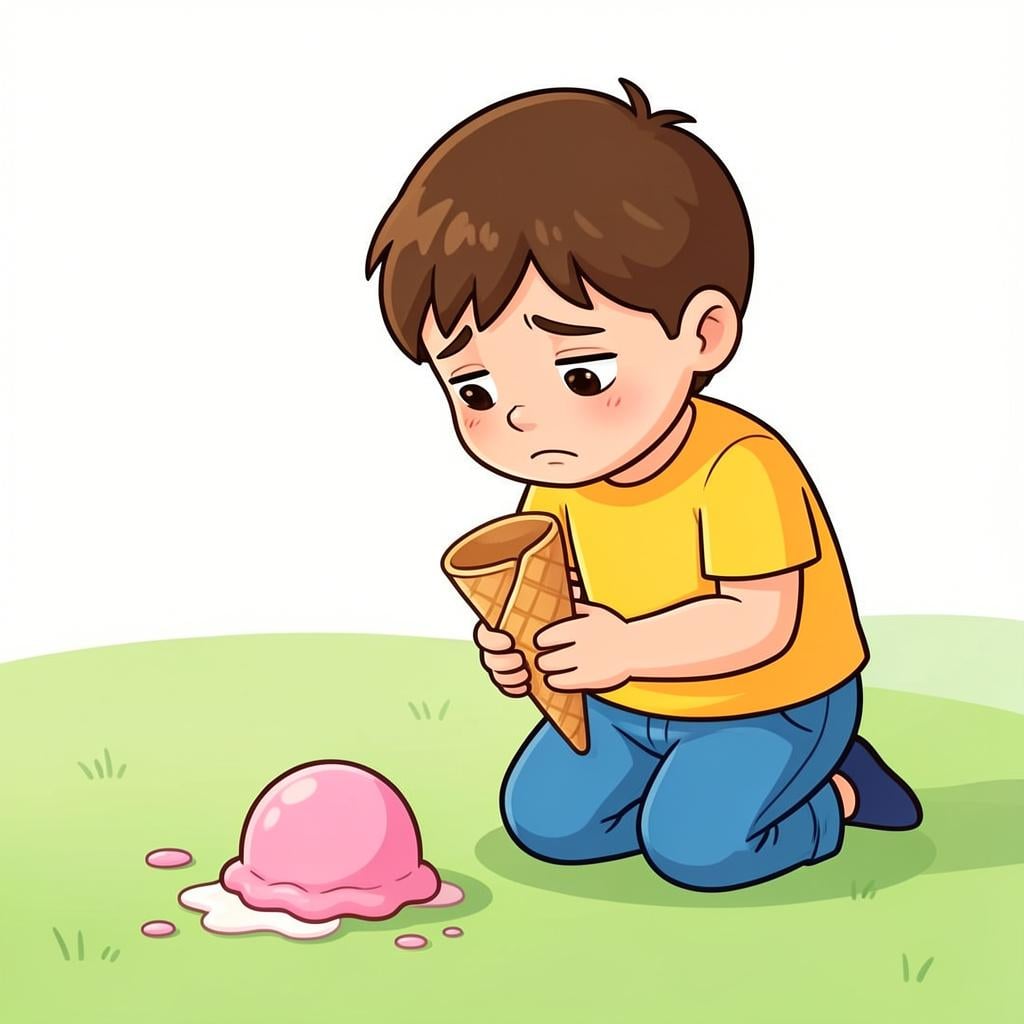
“decepción” means “disappointment” in Spanish (the feeling of being let down).
disappointmentAlso: letdown
📝 In Action
La película fue una gran decepción.
A2The movie was a big disappointment.
Me llevé una decepción cuando no me llamaste.
B1I was disappointed when you didn't call me.
Para evitar decepciones, es mejor no esperar demasiado.
B2To avoid letdowns, it's better not to expect too much.
Word Connections
✏️ Quick Practice
Quick Quiz: decepción
Question 1 of 2
If your friend says '¡Qué decepción!', how are they feeling?
📚 More Resources
👥 Word Family
🎵 Rhymes
📚 Etymology
From the Latin word 'deceptio.' Interestingly, the Latin word meant 'deceit' or 'trickery.' While English kept that meaning for the word 'deception,' Spanish changed over time to describe the sad feeling you get after you've been tricked or let down.
First recorded: 13th century
Cognates (Related words)
💡 Master Spanish
Take your Spanish to the next level. Read 200+ illustrated and narrated Spanish stories tailored to your level with the Inklingo app!
Frequently Asked Questions
Does 'decepción' ever mean 'a lie'?
No, in modern Spanish it strictly means 'disappointment.' For 'a lie' or 'trickery,' use the word 'engaño'.
What is the difference between 'decepción' and 'desilusión'?
They are very similar. 'Decepción' is often used when a specific thing or person fails you, while 'desilusión' is that feeling of losing your enthusiasm or 'losing the magic' about something.