descubrió
“descubrió” means “discovered” in Spanish. It has 2 different meanings depending on context:


📝 In Action
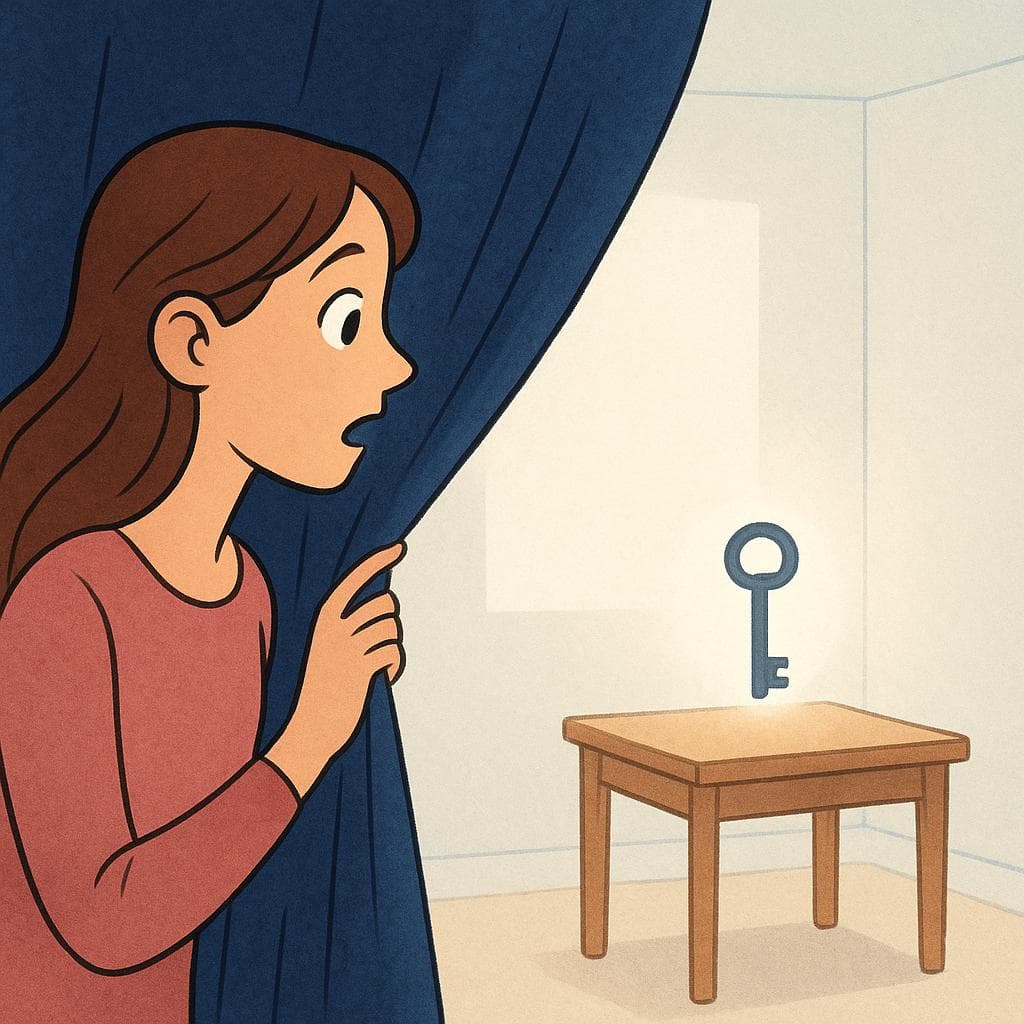
El arqueólogo descubrió una vasija muy antigua en las ruinas.
A2The archaeologist discovered a very old vase in the ruins.
Ella descubrió un nuevo café cerca de su oficina.
A2She discovered a new café near her office.
La policía descubrió el escondite de los ladrones.
B1The police uncovered the thieves' hiding place.
📝 In Action
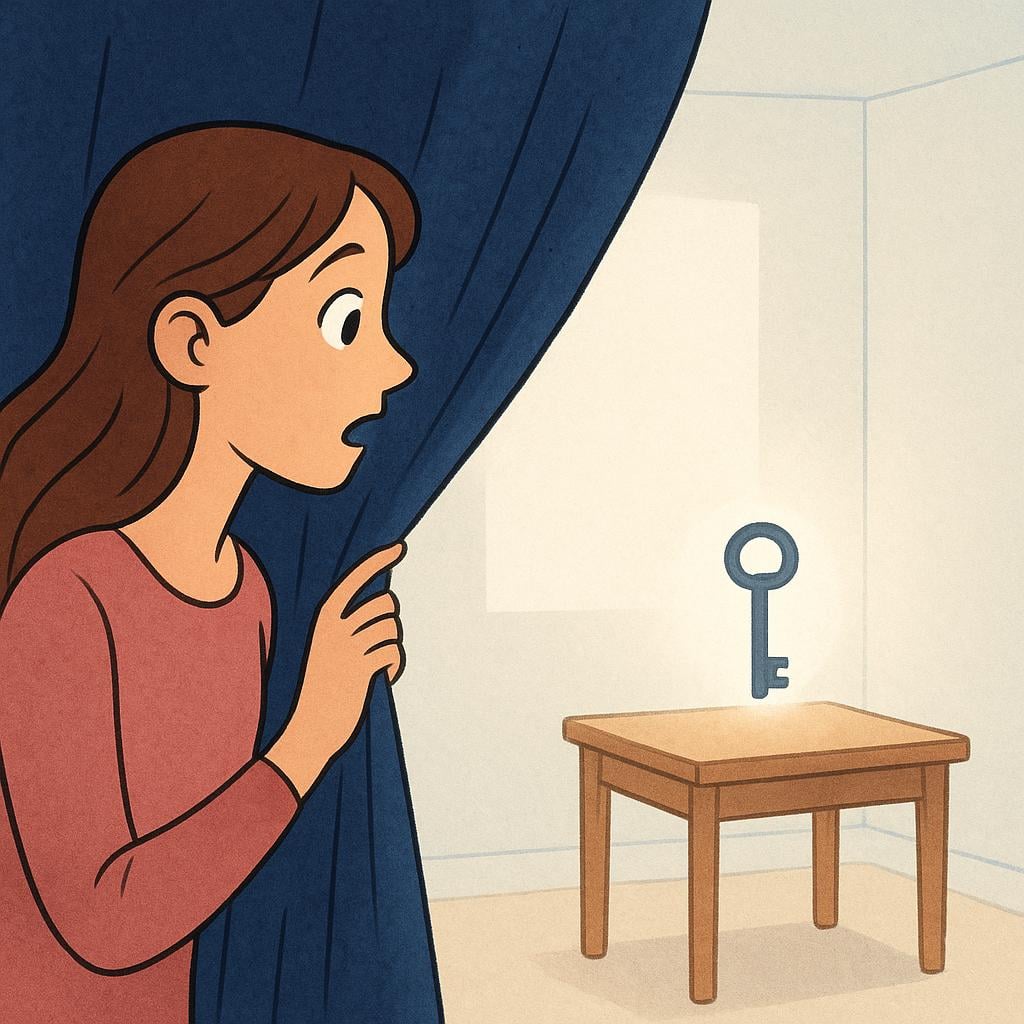
Ella descubrió que su novio le mintió sobre el viaje.
B1She found out that her boyfriend lied to her about the trip.
Al final, el detective descubrió quién era el culpable.
B2In the end, the detective figured out who the culprit was.
Usted descubrió que la vida en la ciudad no era para usted.
B1You (formal) realized that city life was not for you.
Indicative
Present
Imperfect
Preterite
Subjunctive
Present Subjunctive
Imperfect Subjunctive
✏️ Quick Practice
Quick Quiz: descubrió
Question 1 of 2
Which English sentence correctly translates the Spanish sentence: 'El niño descubrió el regalo debajo de la cama.'
📚 More Resources
👥 Word Family▼
🎵 Rhymes▼
📚 Etymology▼
The verb 'descubrir' comes from the Latin verb 'discooperire,' which literally means 'to remove the lid' or 'to uncover.' This perfectly explains why the Spanish word is used both for finding hidden objects and revealing secrets.
First recorded: Around the 13th century
Cognates (Related words)
💡 Master Spanish
Take your Spanish to the next level. Read 200+ illustrated and narrated Spanish stories tailored to your level with the Inklingo app!
Frequently Asked Questions
What is the difference between 'descubrió' and 'descubría'?
'Descubrió' is the preterite tense, used for a single, completed action in the past (e.g., 'He discovered the treasure yesterday'). 'Descubría' is the imperfect tense, used for repeated actions, ongoing actions, or descriptions in the past (e.g., 'He used to discover new things often').
Is 'descubrir' a regular or irregular verb?
It is mostly regular in its conjugations (like 'descubrió'), but its past participle form is irregular. Instead of the regular '-ido' ending, it uses 'descubierto' (like in 'ha descubierto').