desfile
“desfile” means “parade” in Spanish. It has 2 different meanings depending on context:
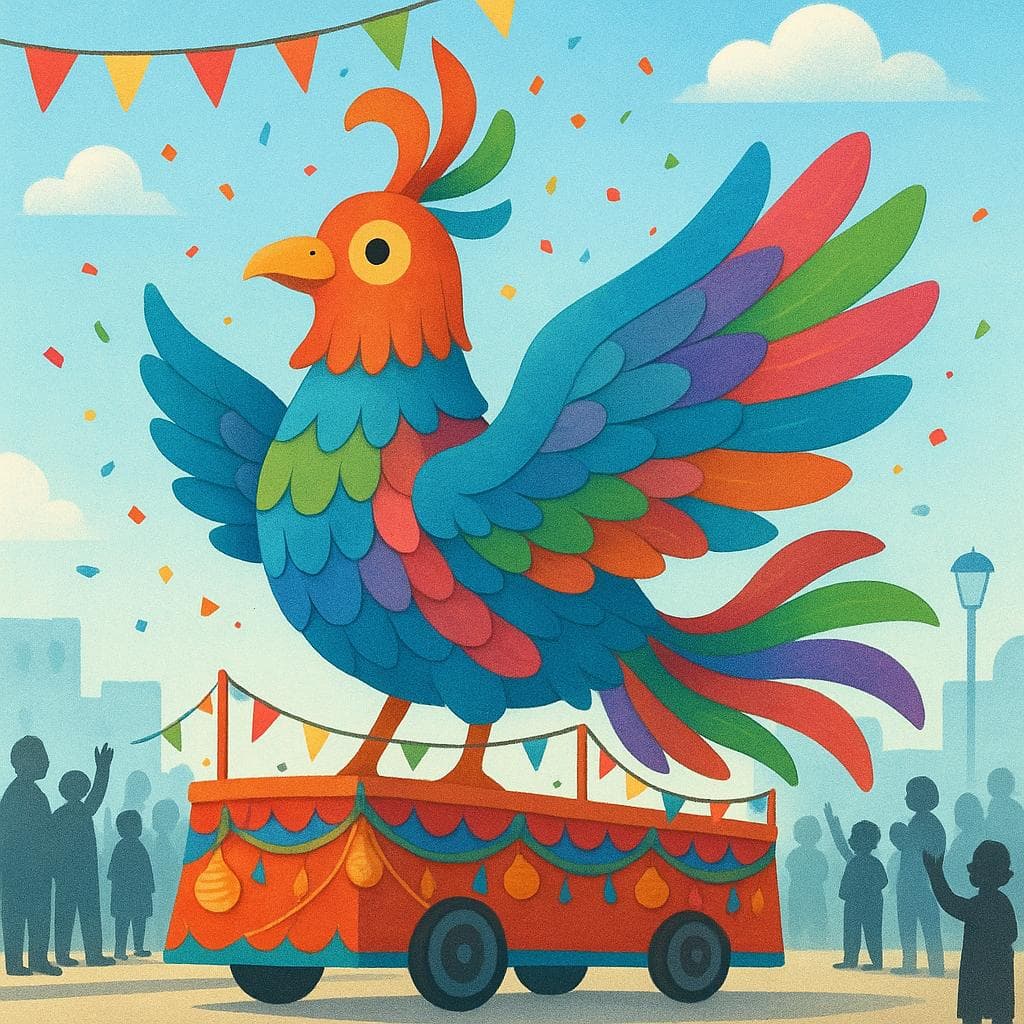

parade, processionAlso: march
📝 In Action
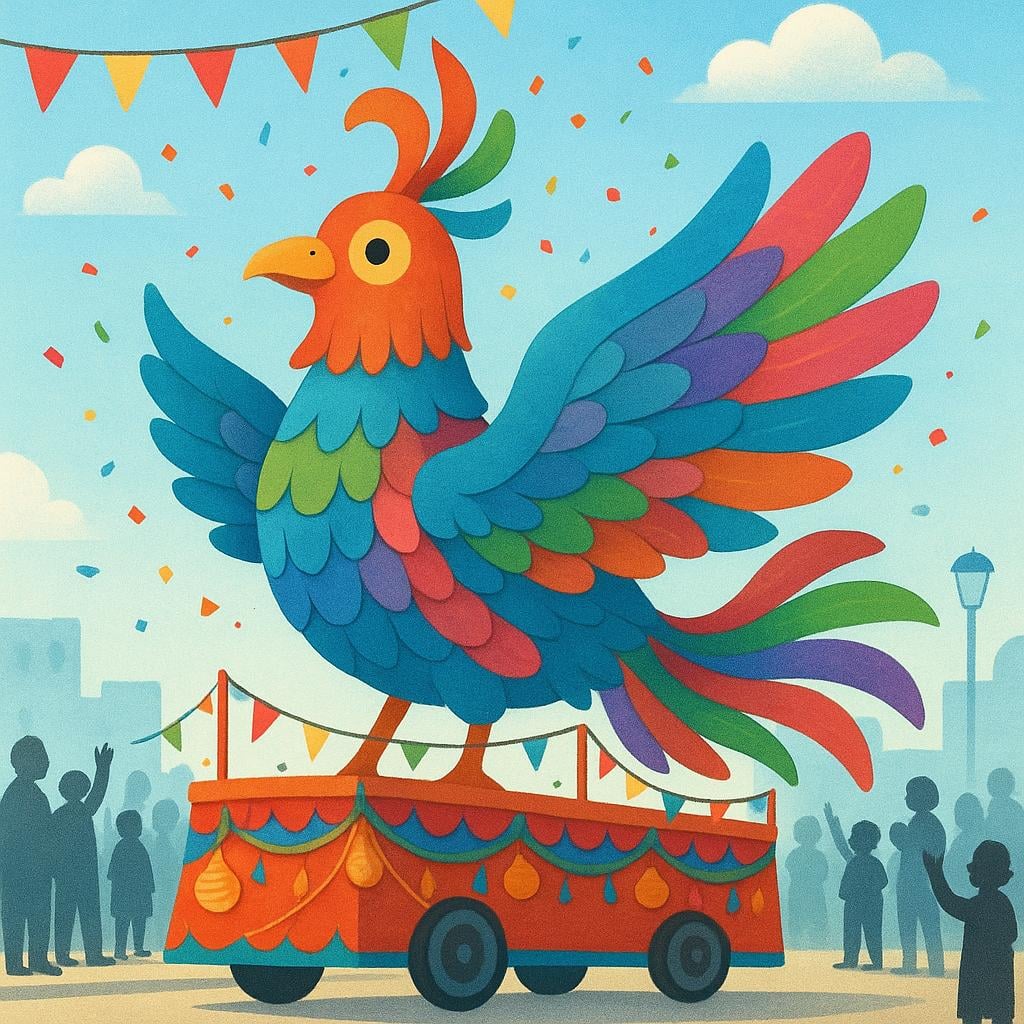
El desfile de carrozas de carnaval fue espectacular.
A2The carnival float parade was spectacular.
Todos salieron a ver el desfile militar por el Día de la Independencia.
B1Everyone went out to see the military parade for Independence Day.
La banda de música encabezó el desfile.
A2The marching band led the procession.
Word Connections
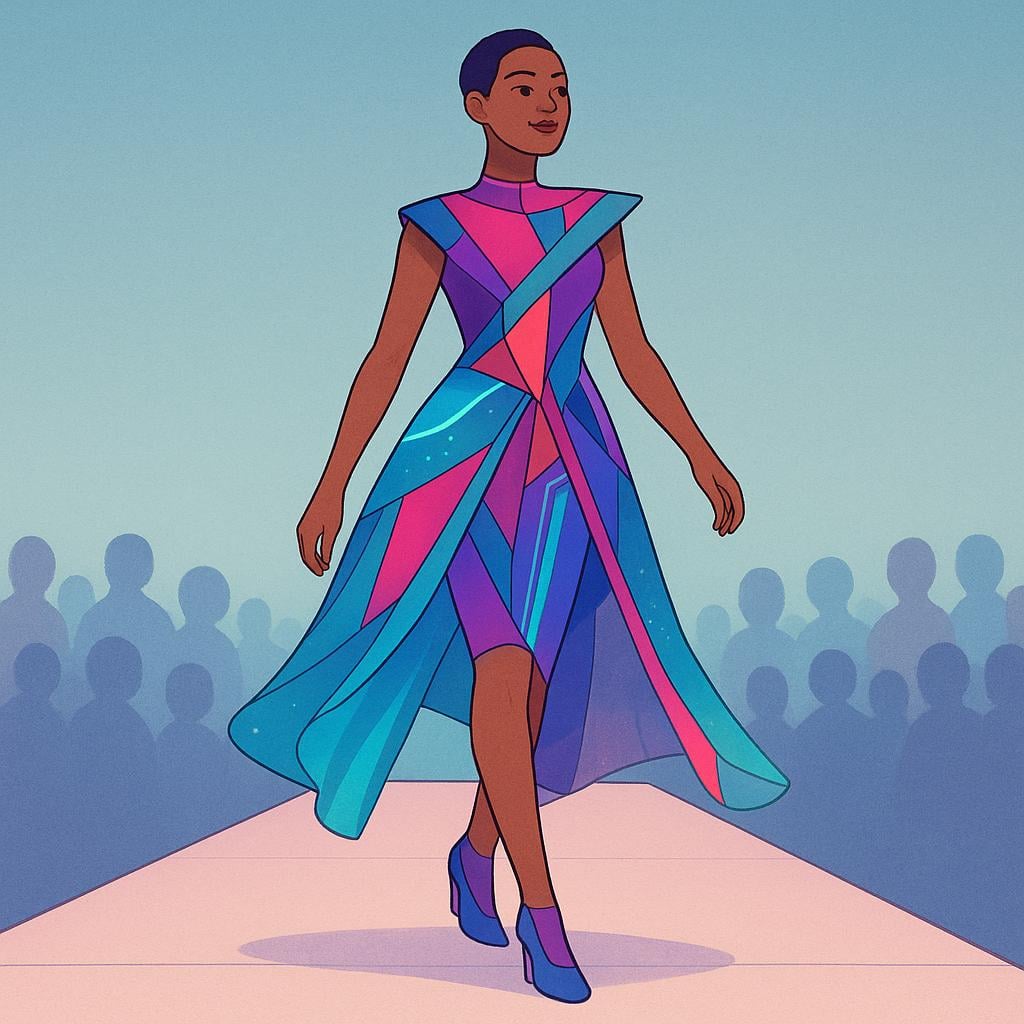
fashion showAlso: runway show
📝 In Action
El diseñador presentó su nueva colección en un desfile en Milán.
B1The designer presented their new collection at a fashion show in Milan.
Las modelos se prepararon para el desfile de verano.
B2The models prepared for the summer runway show.
Word Connections
Translate to Spanish
Words that translate to "desfile" in Spanish:
✏️ Quick Practice
Quick Quiz: desfile
Question 1 of 1
Which sentence uses 'desfile' in the sense of 'fashion show'?
📚 More Resources
🎵 Rhymes
📚 Etymology
The word comes from the verb 'desfilar,' which is formed by 'des-' (meaning 'un-' or 'apart') and 'fila' (meaning 'row' or 'line'). The original sense was to break ranks or un-file, but it evolved to mean the action of moving in a continuous line or row.
First recorded: 17th century
Cognates (Related words)
💡 Master Spanish
Take your Spanish to the next level. Read 200+ illustrated and narrated Spanish stories tailored to your level with the Inklingo app!
Frequently Asked Questions
Is 'desfile' always masculine?
Yes, 'desfile' is always a masculine noun, so you should use 'el desfile' (the parade) and any adjectives describing it must also be masculine (e.g., 'el desfile largo' - the long parade).
What is the difference between 'desfile' and 'marcha'?
While both mean 'march,' 'desfile' usually implies a formal, celebratory, or organized procession (like a holiday parade). 'Marcha' can be more general, often referring to a protest or simply the act of walking.