detenerme
“detenerme” means “to stop myself” in Spanish. It has 2 different meanings depending on context:


to stop myself, to pause
Also: to halt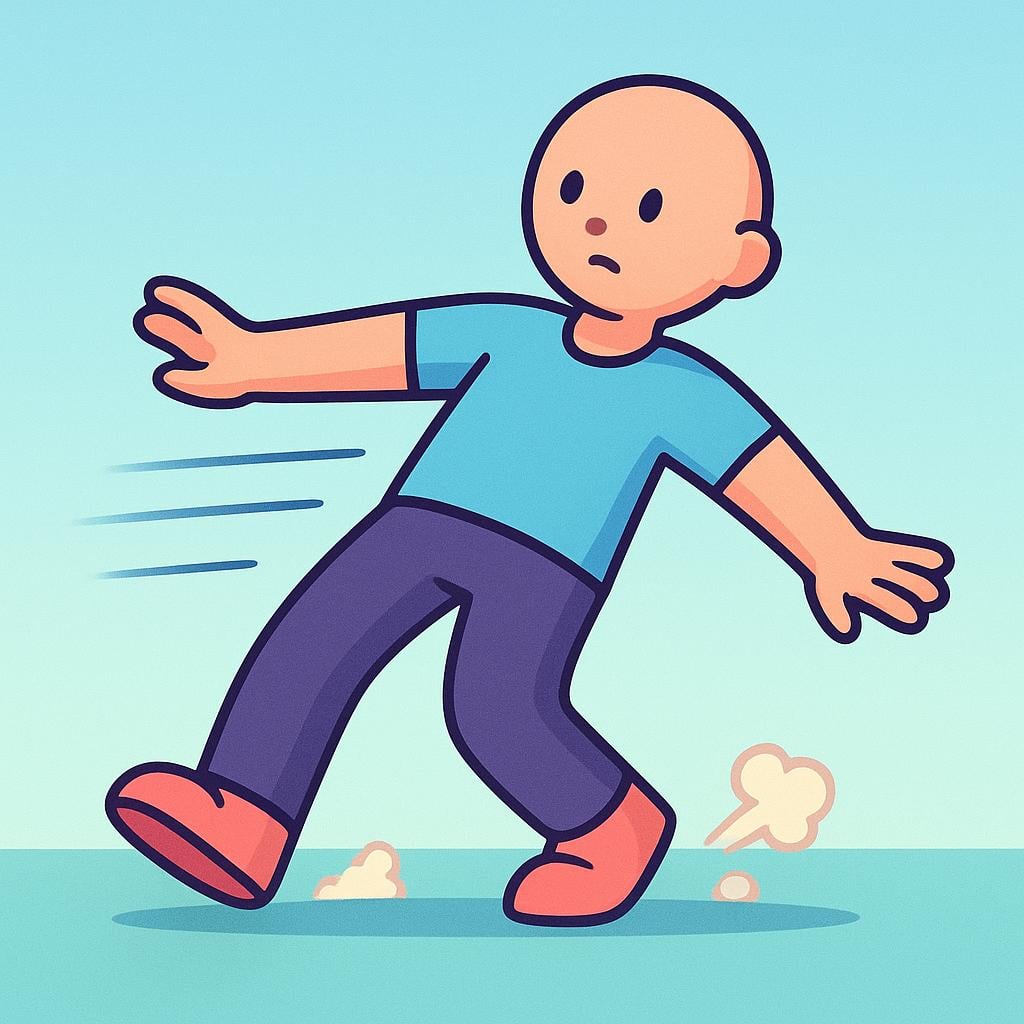
📝 In Action
Necesito detenerme un momento para beber agua.
A2I need to stop myself for a moment to drink water.
No pude detenerme antes de chocar contra la pared.
B1I couldn't stop myself before hitting the wall.
¿Por qué no quieres detenerme cuando hablo demasiado?
B2Why don't you want to stop me when I talk too much?
to dwell on, to take time with
Also: to focus on
📝 In Action
No quiero detenerme demasiado en los detalles de la tragedia.
B1I don't want to dwell too much on the details of the tragedy.
Es importante detenerme a analizar los resultados antes de decidir.
B2It's important to take time to analyze the results before deciding.
Indicative
Present
Imperfect
Preterite
Subjunctive
Present Subjunctive
Imperfect Subjunctive
✏️ Quick Practice
Quick Quiz: detenerme
Question 1 of 1
Which sentence correctly uses 'detenerme' to mean 'to pause'?
📚 More Resources
👥 Word Family▼
🎵 Rhymes▼
📚 Etymology▼
Comes from the Latin prefix *de-* (meaning 'away' or 'down') combined with *tenēre* (meaning 'to hold'). So, the original meaning is 'to hold down' or 'to hold back.' When used reflexively (detenerme), it means 'to hold myself back' or 'to stop myself.'
First recorded: 13th century
Cognates (Related words)
💡 Master Spanish
Take your Spanish to the next level. Read 200+ illustrated and narrated Spanish stories tailored to your level with the Inklingo app!
Frequently Asked Questions
Why does 'detenerme' have 'me' at the end?
The 'me' is a special pronoun that tells you the action of stopping is focused back on the person doing it (you are stopping yourself). This is called a reflexive verb in Spanish.
When do I attach 'me' to the end, and when do I put it before the verb?
You attach 'me' to the end only when the verb is in its non-conjugated form (infinitive: detenerme; gerund: deteniéndome). If the verb is conjugated (like 'detengo'), the 'me' must go before it: 'Yo me detengo'.