dispuesta
“dispuesta” means “willing” in Spanish. It has 2 different meanings depending on context:

willing, ready
Also: prepared
📝 In Action
Mi hermana está dispuesta a conducir toda la noche.
A2My sister is willing to drive all night.
Si estás dispuesta, podemos empezar la reunión ahora.
A1If you are ready, we can start the meeting now.
Ella no estaba dispuesta a escuchar excusas.
B1She was not willing to listen to excuses.
arranged, laid out
Also: set up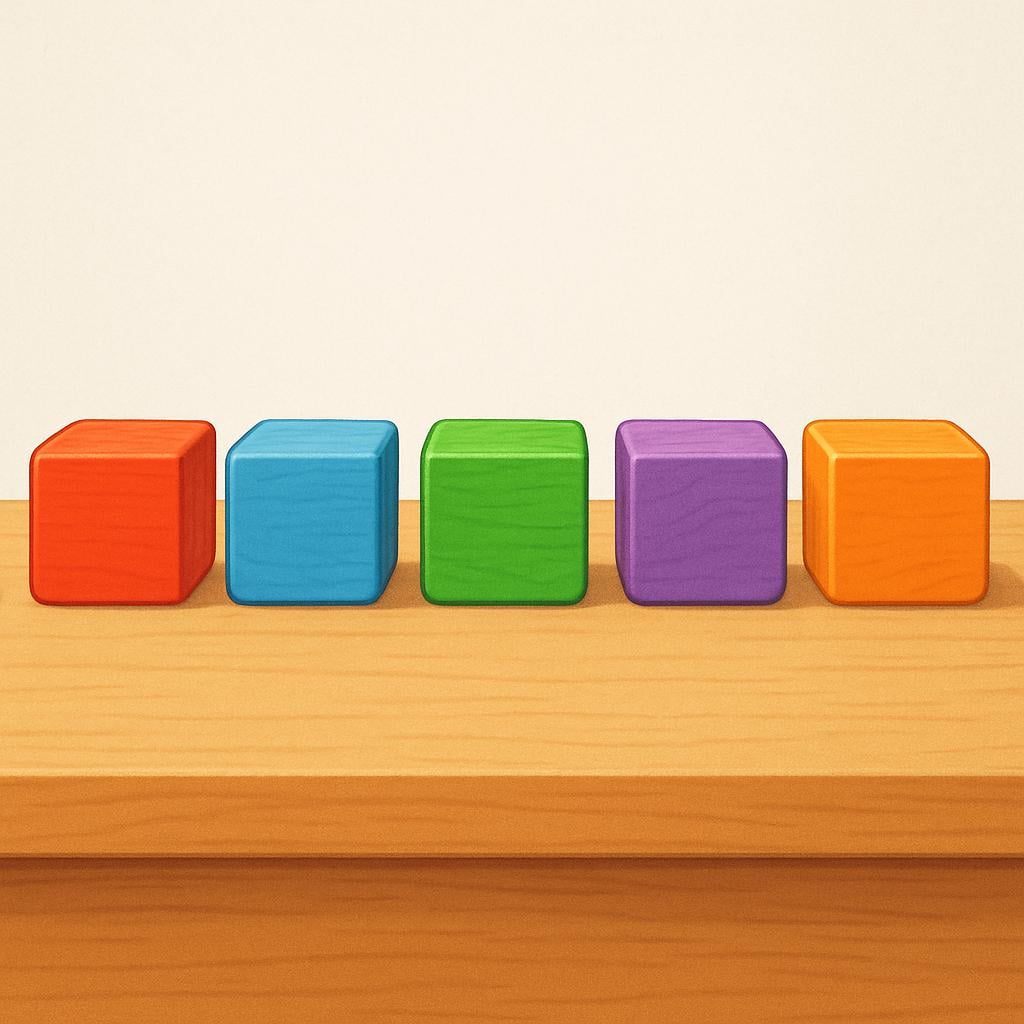
📝 In Action
La sala de conferencias estaba dispuesta para 50 personas.
B1The conference room was arranged for 50 people.
Vio la mercancía dispuesta cuidadosamente en el estante.
B2She saw the merchandise laid out carefully on the shelf.
✏️ Quick Practice
Quick Quiz: dispuesta
Question 1 of 1
Which sentence correctly uses 'dispuesta'?
📚 More Resources
👥 Word Family▼
📚 Etymology▼
Comes from the Latin verb *disponere*, meaning 'to put in order' or 'to arrange.' The Spanish word kept both the idea of physical arrangement and the mental readiness that comes from being prepared.
First recorded: 13th century
Cognates (Related words)
💡 Master Spanish
Take your Spanish to the next level. Read 200+ illustrated and narrated Spanish stories tailored to your level with the Inklingo app!
Frequently Asked Questions
What is the difference between 'dispuesta' and 'lista'?
Both mean 'ready.' 'Lista' is generally used for simple, immediate readiness ('Estoy lista' / I'm ready). 'Dispuesto/a' often implies a deeper commitment or willingness to overcome difficulty ('Estoy dispuesta a luchar' / I am willing to fight).
Does 'dispuesta' ever use the verb 'ser'?
Yes, but rarely. It uses 'estar' when describing someone's current state of readiness (meaning 1). It uses 'ser' only when describing a person's permanent tendency or character (e.g., 'Ella es muy dispuesta' / She is a very helpful/willing person, by nature).