docena
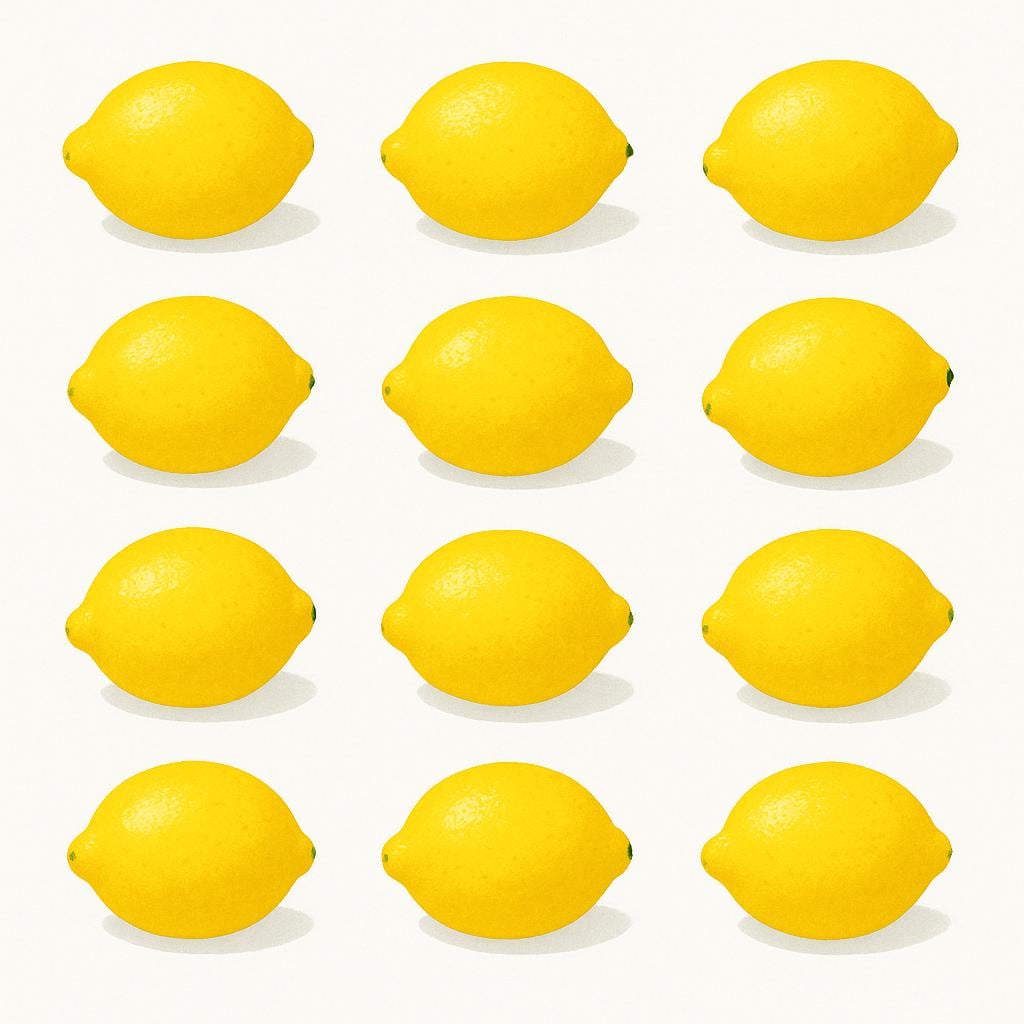
“docena” means “dozen” in Spanish (a quantity of twelve).
dozenAlso: scores
📝 In Action
Necesito una docena de huevos para hacer el pastel.
A1I need a dozen eggs to make the cake.
Solo queremos media docena de panecillos, por favor.
A2We only want half a dozen rolls, please.
Vimos docenas de pájaros volando hacia el sur.
B1We saw dozens of birds flying south.
Word Connections
✏️ Quick Practice
Quick Quiz: docena
Question 1 of 2
Which sentence correctly uses 'docena'?
📚 More Resources
👥 Word Family
📚 Etymology
The word comes from the Latin term *duodecim*, meaning 'twelve.' Spanish adapted it through Vulgar Latin into the collective noun form we use today.
First recorded: 13th century
Cognates (Related words)
💡 Master Spanish
Take your Spanish to the next level. Read 200+ illustrated and narrated Spanish stories tailored to your level with the Inklingo app!
Frequently Asked Questions
Why do Spanish speakers sometimes say 'docenas de...'?
When used in the plural ('docenas de...'), it usually means 'lots of' or 'many,' similar to how English speakers might say 'scores of people' or 'dozens of times' to express a large, indefinite number.
Is 'docena' always feminine?
Yes, 'docena' is always a feminine noun, regardless of the gender of the items being counted (e.g., 'una docena de libros' [masculine books]).