doña
“doña” means “Mrs.” in Spanish. It has 2 different meanings depending on context:
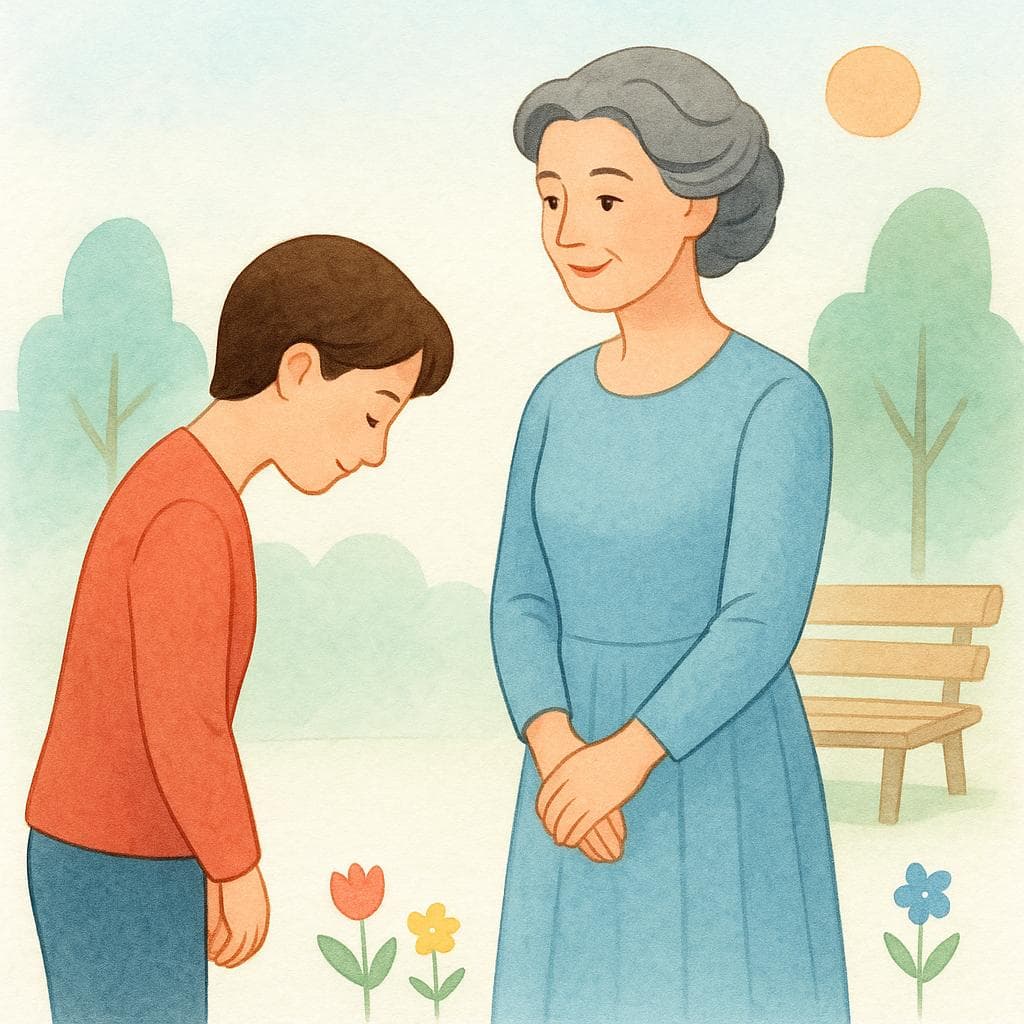
Mrs., Ms.
Also: Lady
📝 In Action
Necesito hablar con Doña Isabel sobre el contrato.
A1I need to speak with Mrs. Isabel about the contract.
Doña Carmen siempre nos trae galletas caseras.
A2Doña Carmen (or Mrs. Carmen) always brings us homemade cookies.
Pregúntale a Doña Sofía, ella sabe dónde está la llave.
A1Ask Doña Sofía, she knows where the key is.
the lady (in charge)
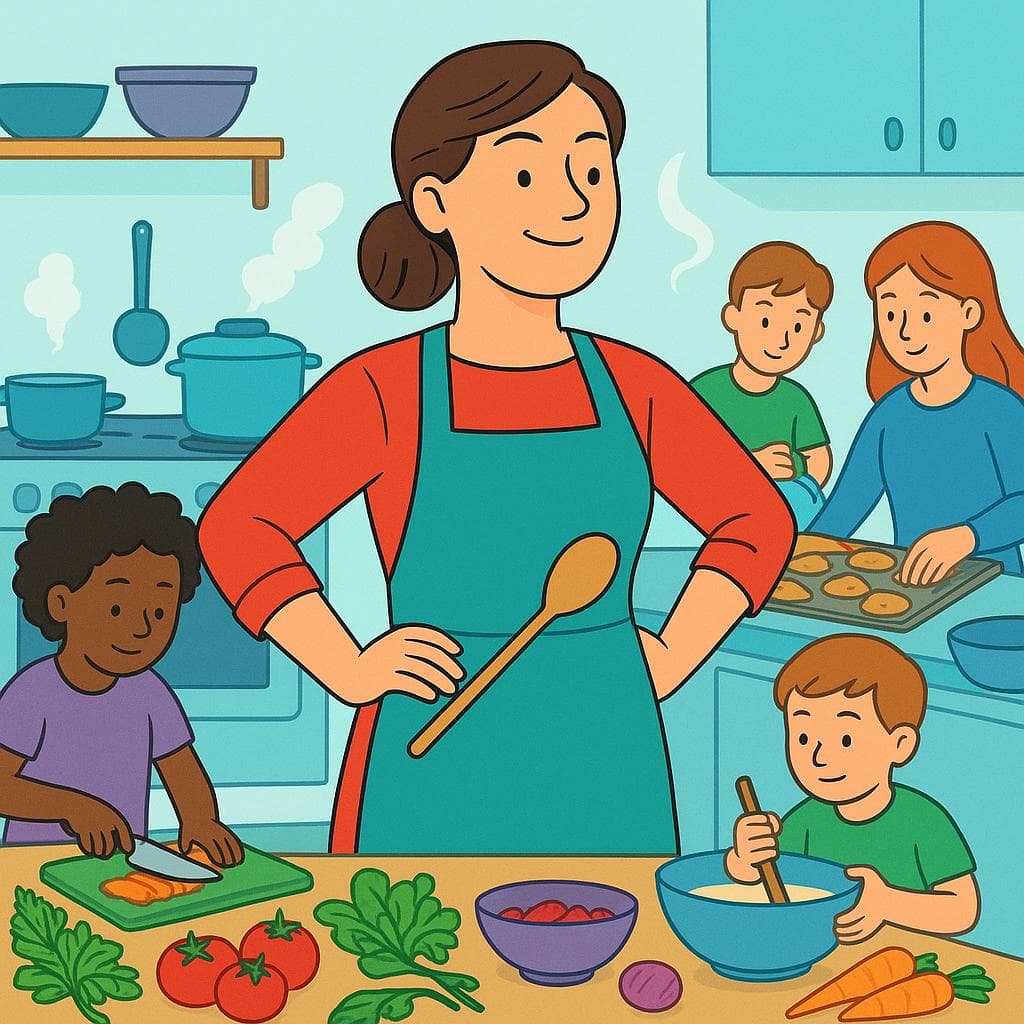
Also: Madam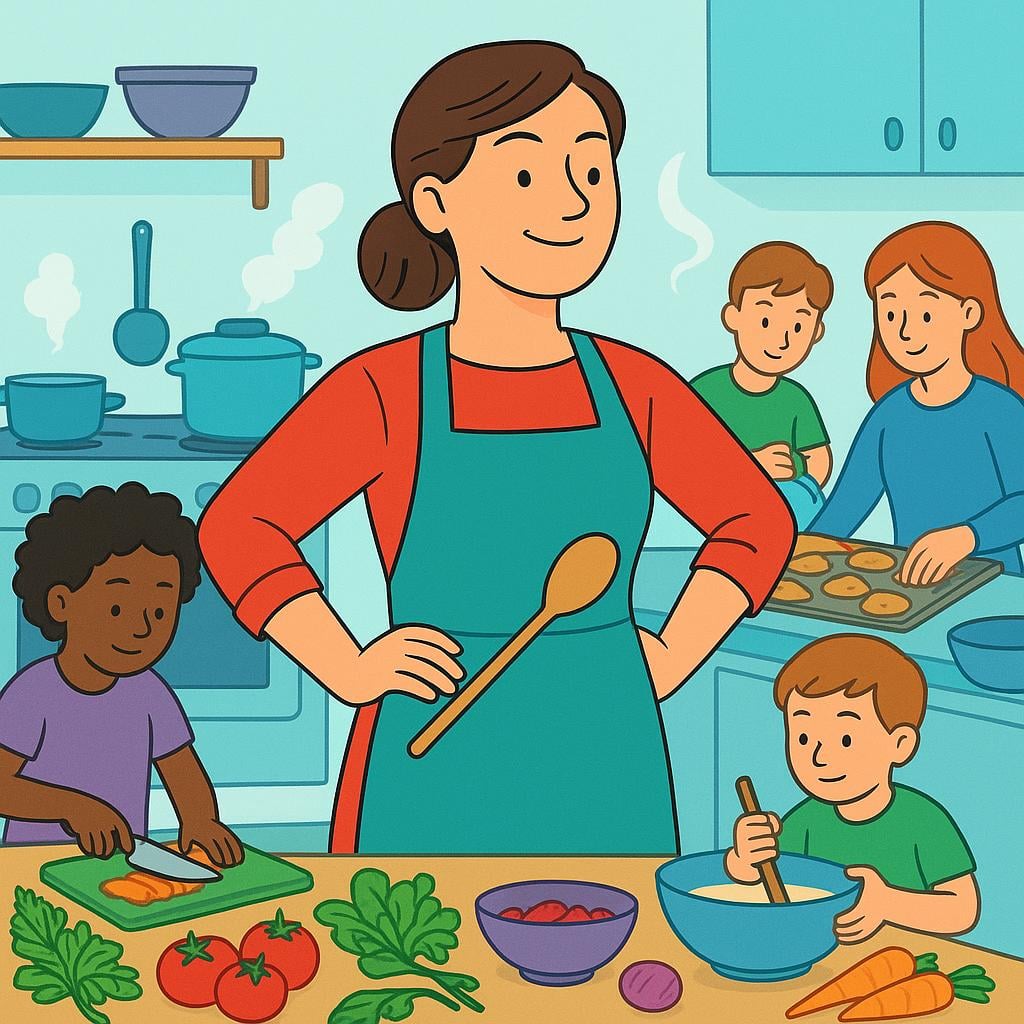
📝 In Action
Cuidado con la doña, es muy estricta con las reglas.
B1Be careful with the lady (the boss), she is very strict about the rules.
¿Está la doña? Necesito pagar el alquiler.
B2Is the lady of the house (the landlady) in? I need to pay the rent.
✏️ Quick Practice
Quick Quiz: doña
Question 1 of 2
Which sentence correctly uses 'doña' as a title of respect for a woman named Elena Varela?
📚 More Resources
👥 Word Family▼
📚 Etymology▼
This word comes from the Latin term *domina*, which meant 'mistress' or 'lady of the house.' It shares a root with the English word 'dominate' and evolved over centuries into the respectful title we use today.
First recorded: Around the 10th century (in similar forms)
Cognates (Related words)
💡 Master Spanish
Take your Spanish to the next level. Read 200+ illustrated and narrated Spanish stories tailored to your level with the Inklingo app!
Frequently Asked Questions
Is 'doña' the same as 'señora'?
'Señora' (Mrs./Madam) is a more general title used before a last name (Señora Gómez) or alone. 'Doña' is much more personal and almost always precedes the first name (Doña Elena). Both show respect, but 'doña' is considered a slightly higher or more traditional form of courtesy.
Does 'doña' imply that the woman is married?
No. Unlike the distinction between 'Miss' and 'Mrs.' in English, 'doña' is used for any adult woman to show respect, regardless of her marital status.