dulzura
“dulzura” means “sweetness” in Spanish. It has 2 different meanings depending on context:
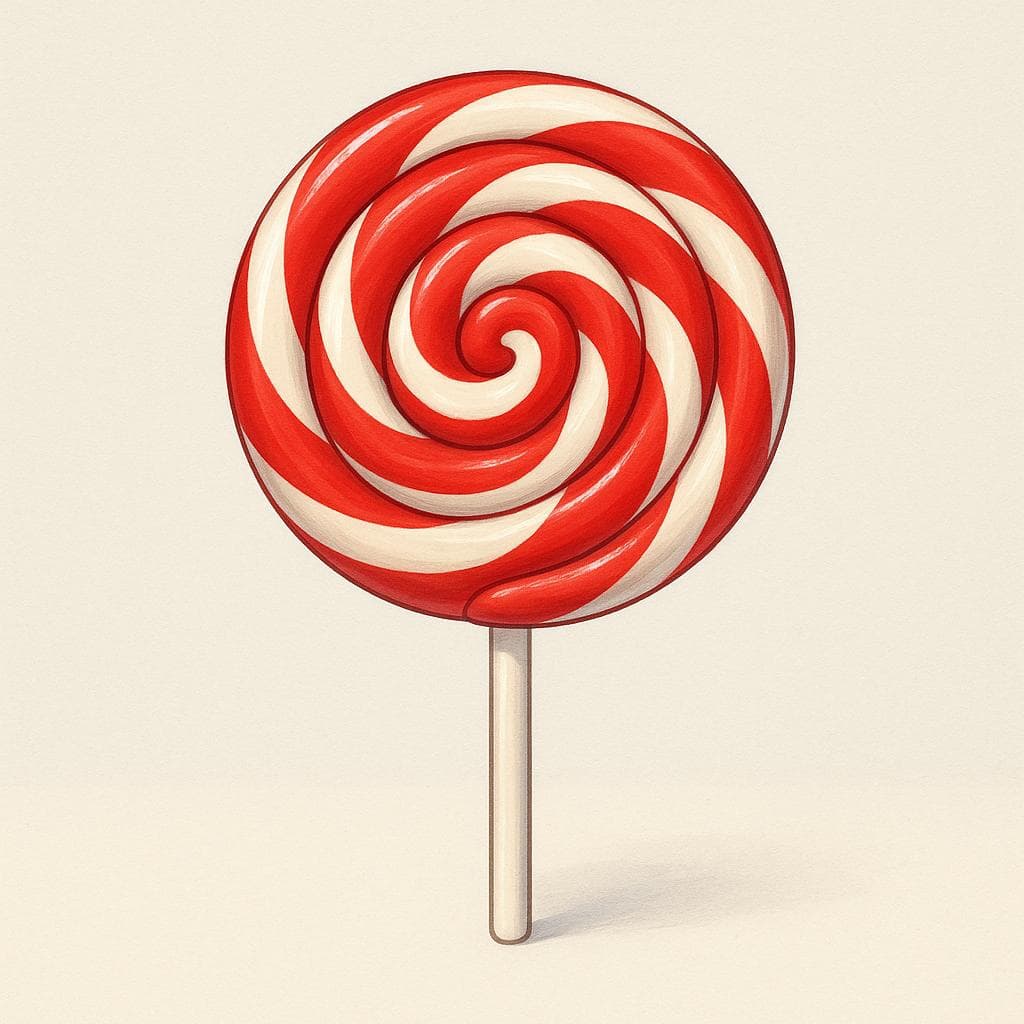

sweetnessAlso: sugary taste
📝 In Action
La dulzura de la miel es inigualable.
A2The sweetness of the honey is unmatched.
Esta bebida tiene demasiada dulzura para mi gusto.
B1This drink has too much sweetness for my liking.
Word Connections
gentleness, tendernessAlso: sweetness

📝 In Action
La abuela siempre me habla con mucha dulzura.
B1Grandma always speaks to me with great gentleness (or tenderness).
Su dulzura natural hace que todo el mundo la quiera.
B2Her natural kindness makes everyone love her.
Necesitamos más dulzura y menos agresividad en el debate.
C1We need more gentleness and less aggression in the debate.
Word Connections
Translate to Spanish
Words that translate to "dulzura" in Spanish:
✏️ Quick Practice
Quick Quiz: dulzura
Question 1 of 1
Which sentence uses 'dulzura' to describe a personality trait, rather than a flavor?
📚 More Resources
👥 Word Family
📚 Etymology
The word comes directly from the Spanish adjective 'dulce' (sweet), combined with the common Latin suffix '-ura,' which is used to create nouns that describe a quality, state, or result. Its root traces back to the Latin word *dulcis* (sweet).
First recorded: Medieval Spanish
Cognates (Related words)
💡 Master Spanish
Take your Spanish to the next level. Read 200+ illustrated and narrated Spanish stories tailored to your level with the Inklingo app!
Frequently Asked Questions
What is the difference between 'dulce' and 'dulzura'?
'Dulce' is usually the adjective (describing something, like 'a sweet cake') or a noun meaning 'candy.' 'Dulzura' is the feminine noun used to talk about the abstract quality of 'sweetness' itself, whether it's a flavor or a personality trait.
Is 'dulzura' only for food?
No. While it certainly describes the taste of sugar, it is very commonly used to describe emotional qualities like gentleness, tenderness, or kindness in people, actions, or voices.