enterrar
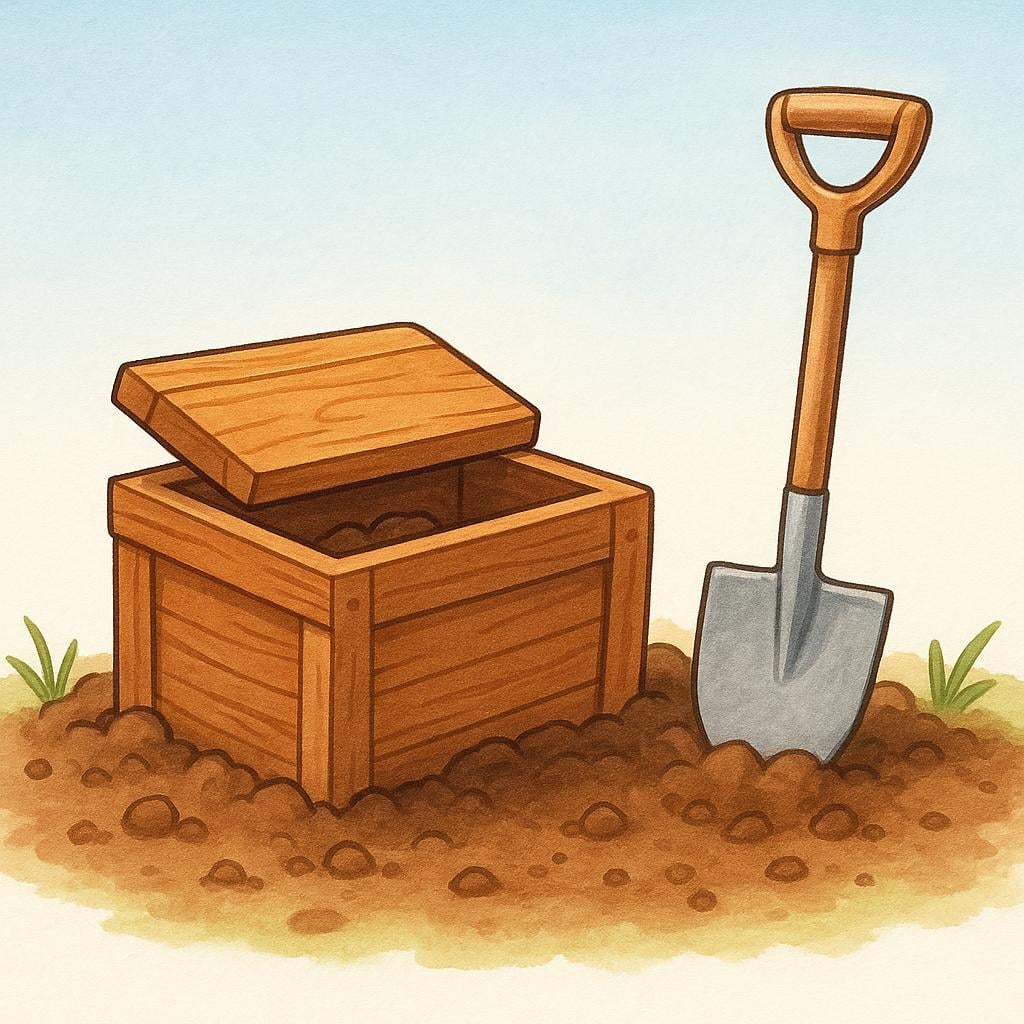
“enterrar” means “to bury” in Spanish. It has 2 different meanings depending on context:
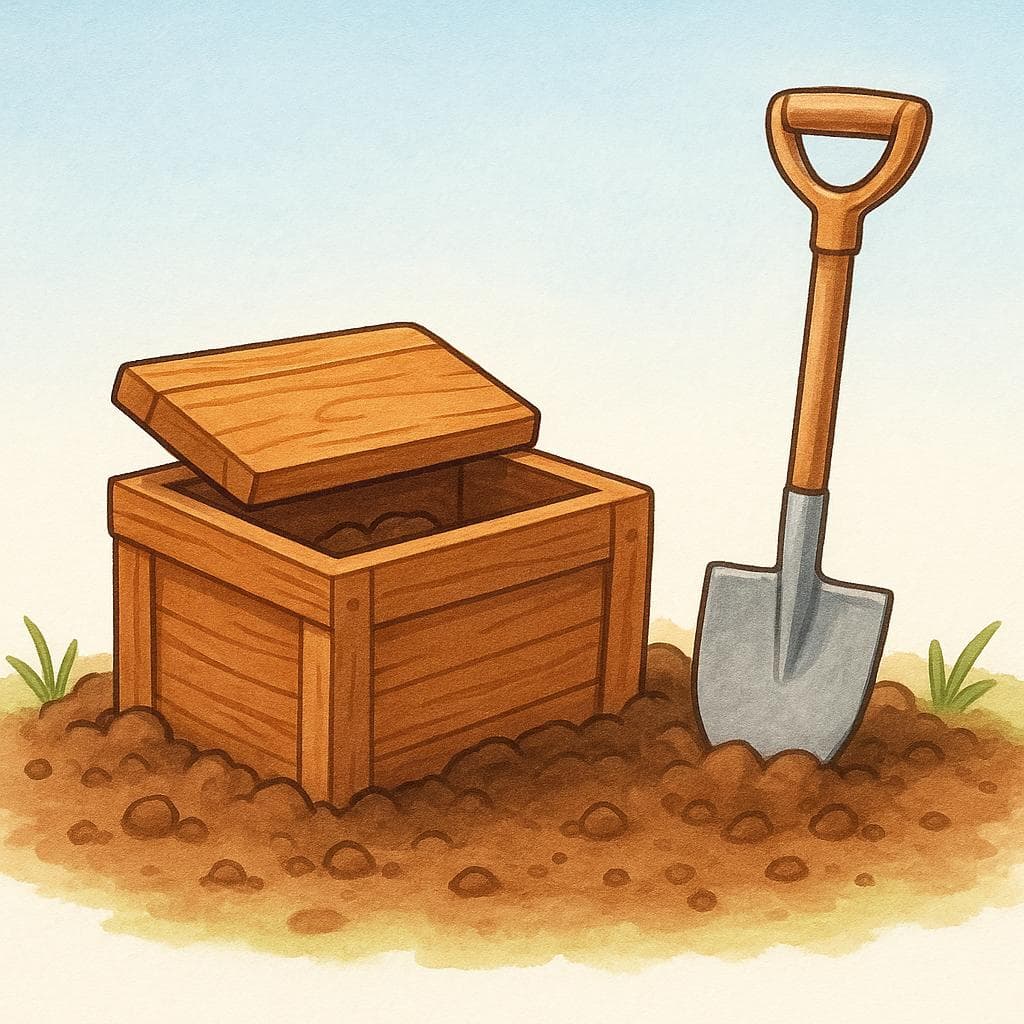
to bury, to interAlso: to cover up
📝 In Action
El perro siempre entierra sus huesos en el jardín.
A2The dog always buries his bones in the garden.
Van a enterrar los cables eléctricos para que no se vean.
B1They are going to bury the electrical cables so they aren't visible.
Decidieron enterrar a la abuela junto a su esposo.
B1They decided to inter the grandmother next to her husband.
Word Connections
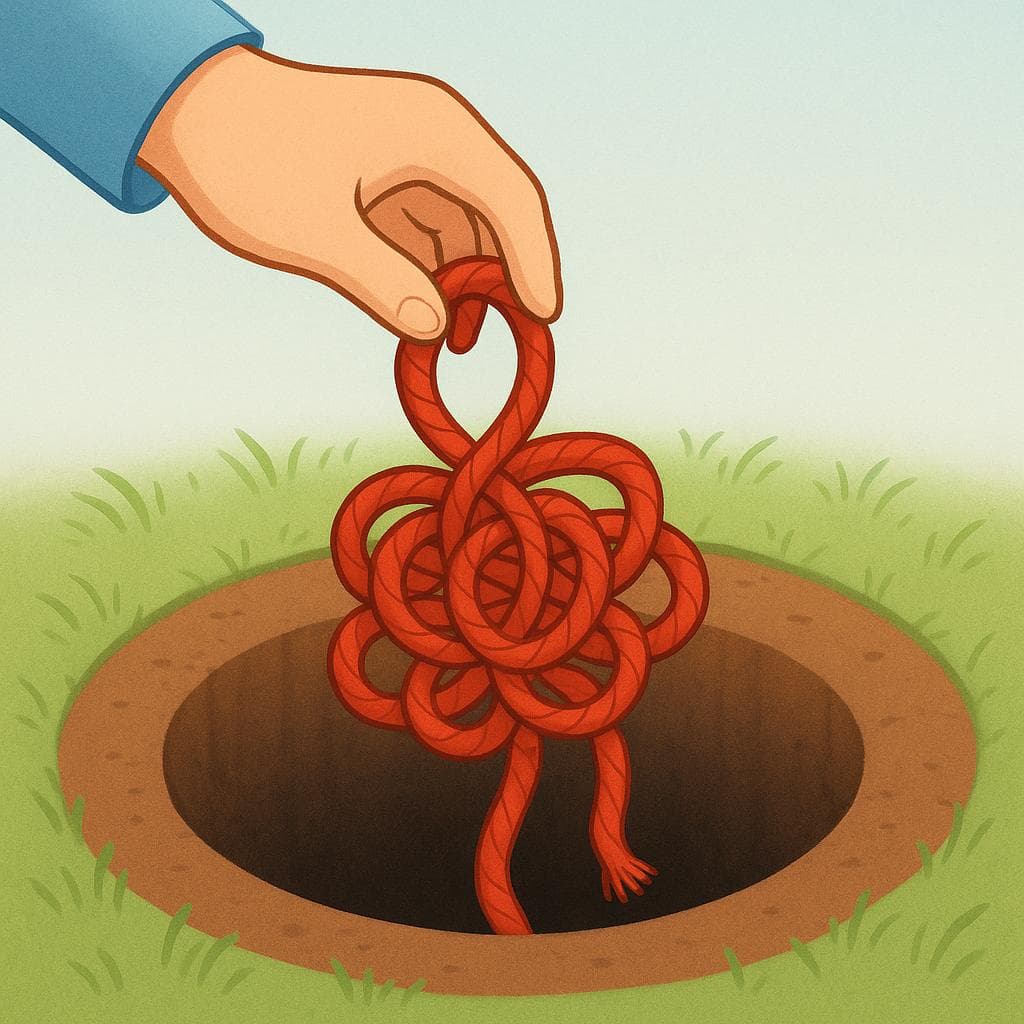
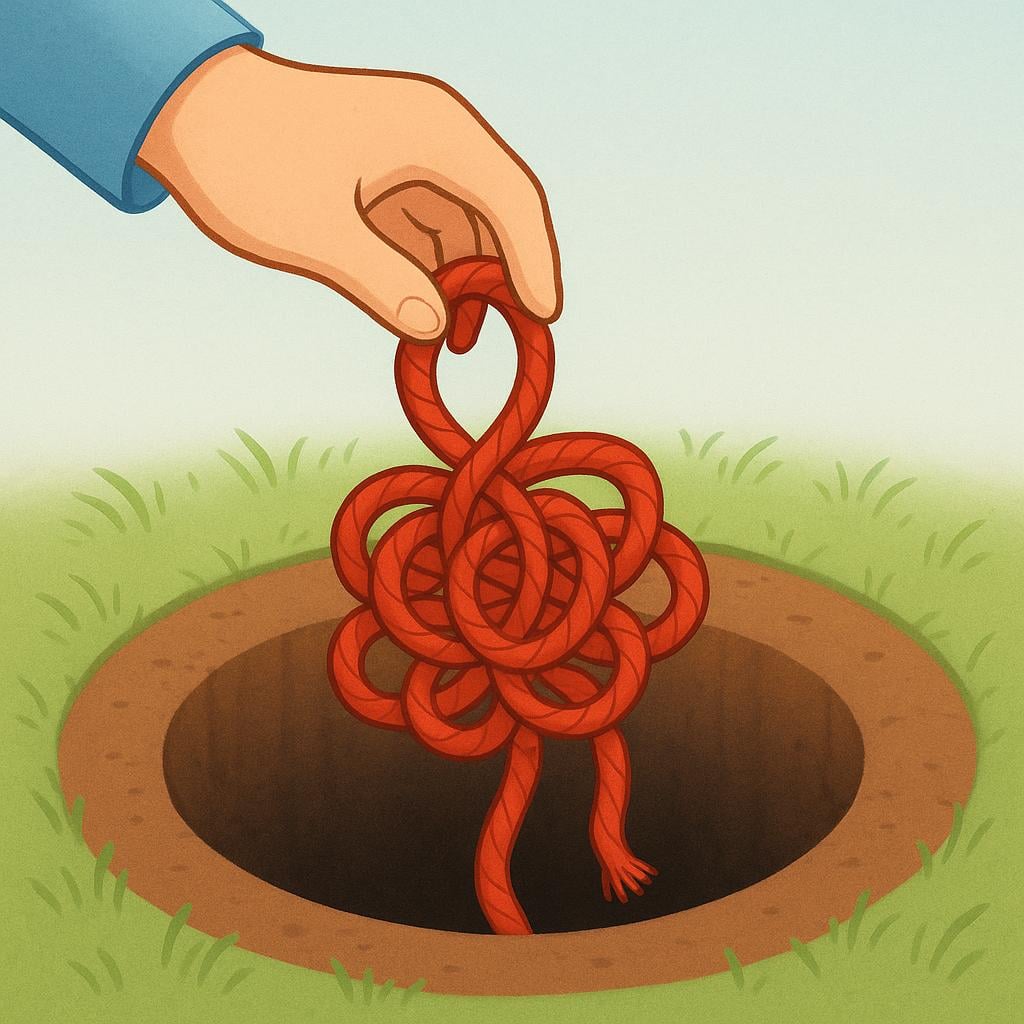
to forget (a problem), to hide (a secret)Also: to sink
📝 In Action
Es hora de enterrar el hacha de guerra y hacer las paces.
C1It is time to bury the hatchet and make peace.
Ella prefiere enterrar sus problemas en lugar de enfrentarlos.
C1She prefers to hide her problems instead of facing them.
El escándalo enterró la carrera política del candidato.
C2The scandal sank the candidate's political career.
Word Connections
Indicative
Present
Preterite
Imperfect
Subjunctive
Present Subjunctive
Imperfect Subjunctive
✏️ Quick Practice
Quick Quiz: enterrar
Question 1 of 2
Which form of 'enterrar' is correct for 'We bury the time capsule' (Nosotros...)?
📚 More Resources
👥 Word Family
📚 Etymology
The word comes directly from Late Latin *interrare*, which is a combination of *in-* (meaning 'into') and *terra* (meaning 'earth' or 'ground'). It literally means 'to put into the earth.'
First recorded: 13th century
Cognates (Related words)
💡 Master Spanish
Take your Spanish to the next level. Read 200+ illustrated and narrated Spanish stories tailored to your level with the Inklingo app!
Frequently Asked Questions
Is 'enterrar' always used for burying a person, or can it be used for objects?
'Entarrar' is commonly used for both people (interring a body) and objects (burying treasure, bones, or cables). It's a very versatile verb.
How do I remember the stem change (e > ie)?
The stem change only happens when the stress falls on the stem (the 'en-ter-' part). Since the stress shifts to the last syllable for 'nosotros' and 'vosotros' (enterRAmos, enterRÁis), those forms remain regular.