escopeta
“escopeta” means “shotgun” in Spanish (A long-barreled firearm, typically used for hunting or security).
shotgun
Also: rifle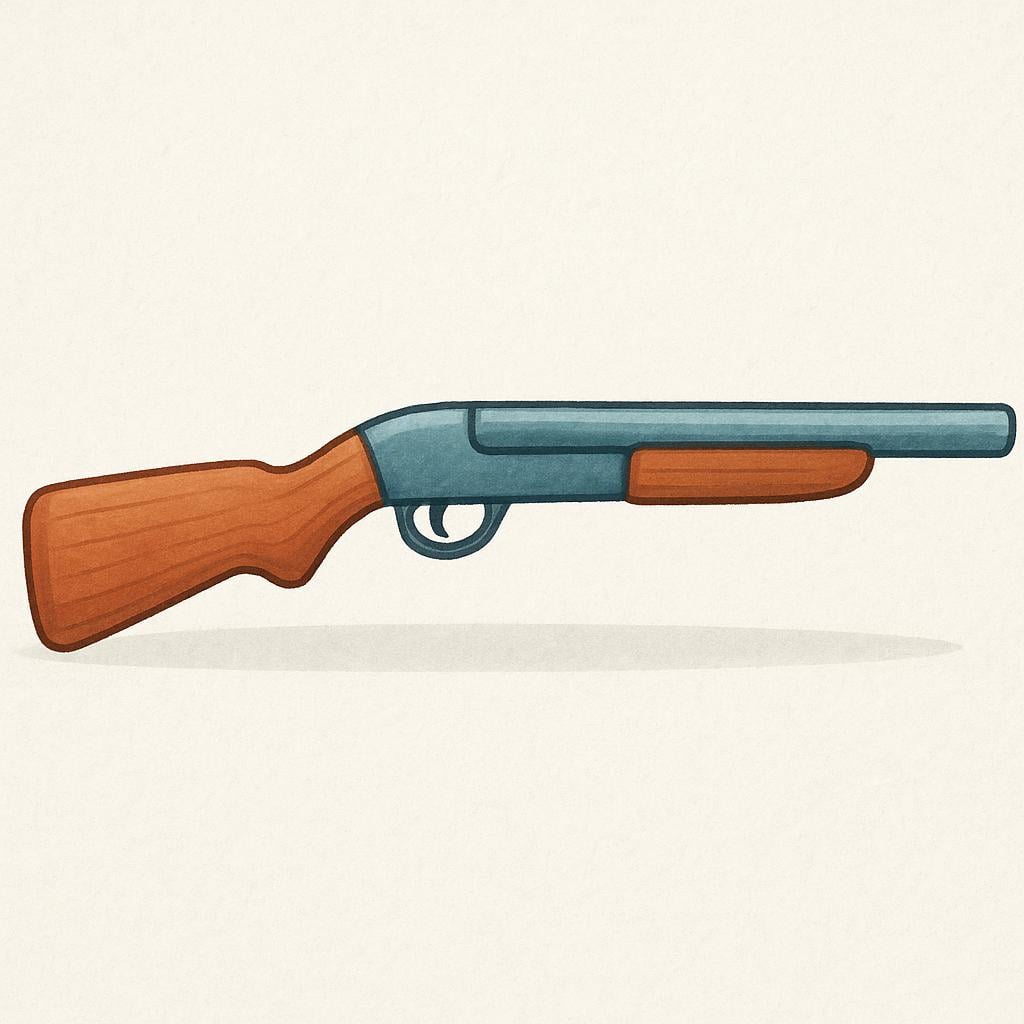
📝 In Action
El cazador limpió la escopeta antes de ir al bosque.
B1The hunter cleaned the shotgun before going to the forest.
La policía incautó una escopeta de repetición en el allanamiento.
B2The police seized a pump-action shotgun in the raid.
✏️ Quick Practice
Quick Quiz: escopeta
Question 1 of 2
Which English translation is the most accurate primary meaning for 'escopeta'?
📚 More Resources
👥 Word Family▼
📚 Etymology▼
Comes from the Italian word *schioppetto*, which means 'little burst' or 'little explosion.' This word traveled into Spanish, evolving into 'escopeta,' referring to the weapon that makes the bursting sound.
First recorded: 16th century
Cognates (Related words)
💡 Master Spanish
Take your Spanish to the next level. Read 200+ illustrated and narrated Spanish stories tailored to your level with the Inklingo app!
Frequently Asked Questions
Is 'escopeta' the same as 'fusil'?
Not exactly. Both are long guns, but 'escopeta' usually means a shotgun (designed to shoot many small pellets), while 'fusil' specifically means a rifle (designed to shoot a single bullet with high precision), often used in a military context. 'Escopeta' is the broader term.
How do I remember the gender of 'escopeta'?
Since it ends in '-a,' it follows the typical pattern for feminine nouns in Spanish. Think of 'La escopeta' (The shotgun).