Inklingo

español

/ehs-pah-NYOHL/

Spanish

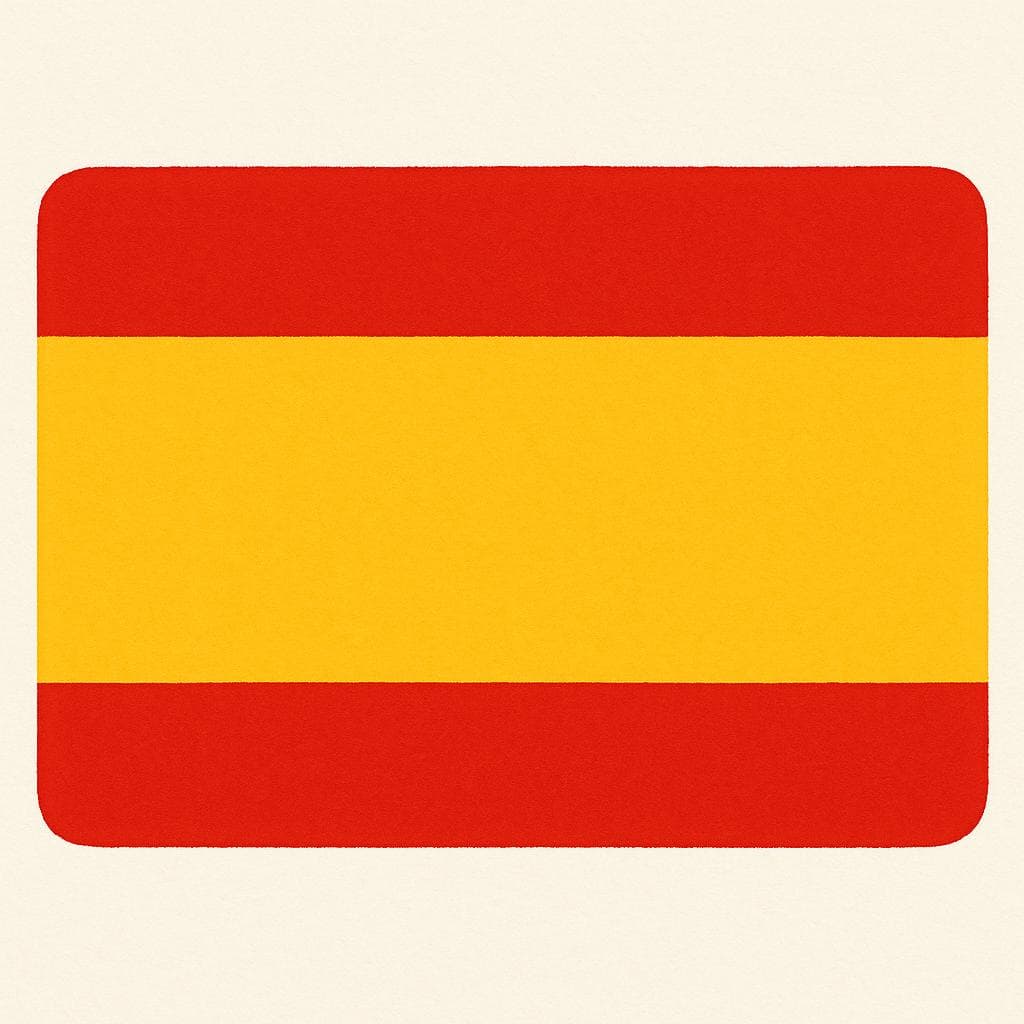
A simple illustration of the Spanish flag, featuring three horizontal stripes: red, yellow, and red.

This image shows the colors of the Spanish flag, representing something relating to Spain.

español(Adjective)

mA1

Spanish

?

relating to Spain or its language

Also:

of Spain

?

origin

📝 In Action

La bandera español es roja y amarilla.

A1

The Spanish flag is red and yellow.

Me gusta mucho el vino español.

A1

I really like Spanish wine.

El arte español tiene una historia muy rica.

B1

Spanish art has a very rich history.

Word Connections

Synonyms

  • hispano (Hispanic)

Common Collocations

  • cultura españolSpanish culture
  • pueblo españolSpanish town/people

💡 Grammar Points

Matching the Description

As an adjective, 'español' must match the thing it describes (the noun) in gender and whether it is singular or plural. Use 'española' for feminine nouns (e.g., 'la comida española').

❌ Common Pitfalls

Forgetting the Tilde

Mistake: "Espanol (without the ñ)"

Correction: Español. The 'ñ' is a separate letter and necessary for correct spelling and pronunciation.

⭐ Usage Tips

Placement

Adjectives of nationality almost always go after the noun they describe: 'la gente español' (the Spanish people), not 'la español gente'.

A drawing depicting sound waves coming from a mouth, symbolizing spoken language, next to a red carnation flower.

This illustration represents the Spanish language being spoken.

español(Noun)

mA1

Spanish

?

the language

Also:

Castilian

?

alternative name for the language

📝 In Action

¿Estás estudiando español?

A1

Are you studying Spanish?

El español es mi idioma favorito.

A1

Spanish is my favorite language.

Hay muchas palabras de origen árabe en el español.

B2

There are many words of Arabic origin in Spanish.

Word Connections

Synonyms

  • castellano (Castilian)

Common Collocations

  • hablar españolto speak Spanish
  • clase de españolSpanish class

💡 Grammar Points

Always Masculine

When referring to the language, 'español' is always a masculine noun, so it takes the masculine article 'el' (el español).

❌ Common Pitfalls

Capitalization

Mistake: "Quiero aprender Español."

Correction: Quiero aprender español. In Spanish, names of languages are generally not capitalized unless they start a sentence.

⭐ Usage Tips

Using 'Castellano'

In Spain, both 'español' and 'castellano' are used. In many parts of Latin America, 'castellano' is preferred to avoid confusion with other languages spoken in Spain (like Catalan or Basque).

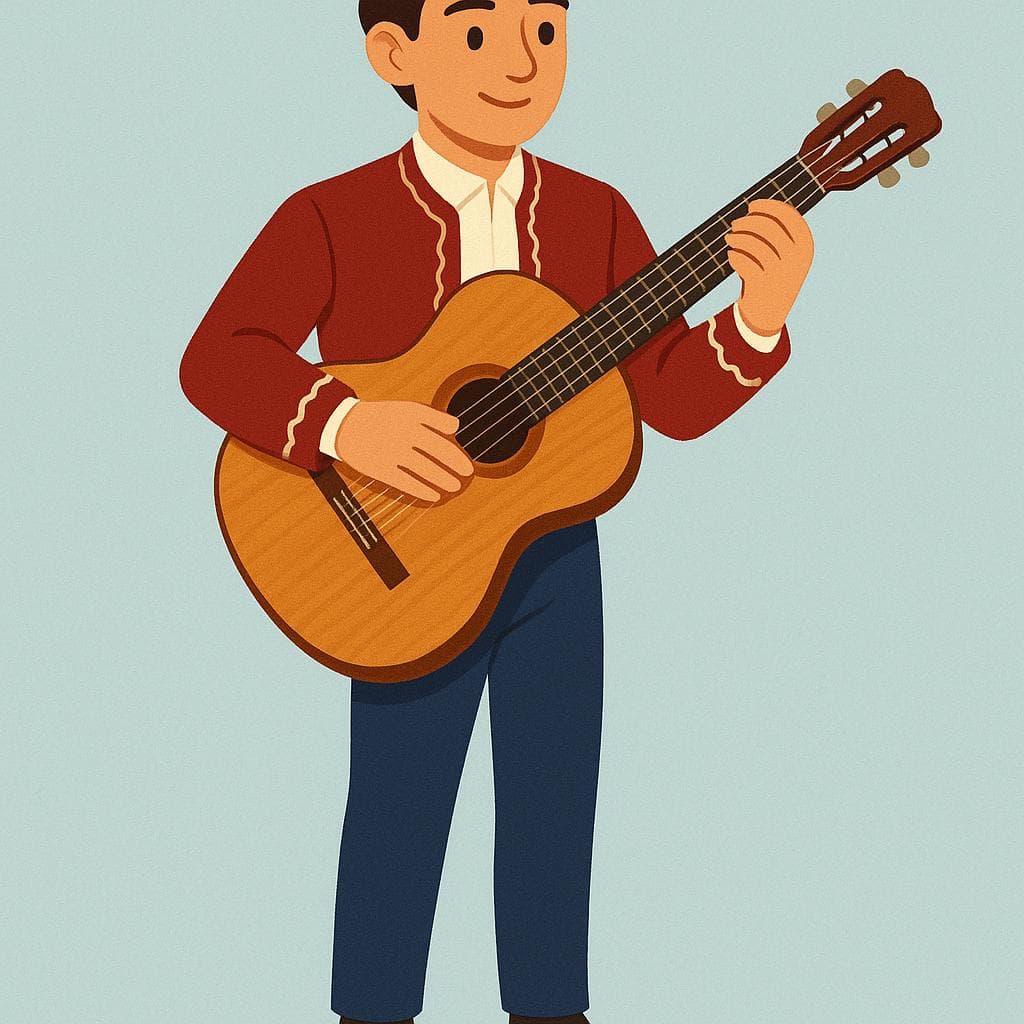
A simplified storybook illustration of a male figure dressed in traditional Spanish attire, holding a classical guitar.

This image shows a male Spaniard, a person from Spain.

español(Noun)

mA1

Spaniard

?

person from Spain (male)

Also:

Spanish man

?

male person

📝 In Action

Mi amigo es un español muy amable.

A1

My friend is a very kind Spaniard.

Los españoles son conocidos por la siesta.

A2

Spaniards (the people of Spain) are known for the siesta.

Word Connections

Synonyms

  • peninsular (peninsular (older term))

Common Collocations

  • un español típicoa typical Spaniard

💡 Grammar Points

Referring to Groups

To talk about the people of Spain as a whole (men and women combined), you use the masculine plural form: 'los españoles'.

❌ Common Pitfalls

Gender Specificity

Mistake: "Ella es español."

Correction: Ella es española. If the person is female, you must use the feminine form of the noun/adjective.

⭐ Usage Tips

Using the Article

When using 'español' as a noun for a person, you must use an article ('un', 'el', 'los') before it, unless it follows the verb 'ser' (to be).

✏️ Quick Practice

💡 Quick Quiz: español

Question 1 of 2

Which sentence correctly uses 'español' as a noun (the language)?

📚 More Resources

Word Family

Frequently Asked Questions

Should I capitalize 'español' when talking about the language?

No. In Spanish, names of languages (like inglés, francés, or español) are generally written in lowercase, unless they are the first word in a sentence.

What is the difference between 'español' and 'castellano'?

They both refer to the same language. 'Castellano' (Castilian) is often used to emphasize its origin in the region of Castile, and is preferred in some Latin American countries to distinguish it from other languages spoken in Spain.