especies
“especies” means “spices” in Spanish. It has 2 different meanings depending on context:


spices
Also: seasonings
📝 In Action
Esta receta lleva muchas especies exóticas.
A2This recipe uses many exotic spices.
El aroma de las especies en el mercado es increíble.
B1The aroma of the spices in the market is incredible.
species
Also: kinds, sorts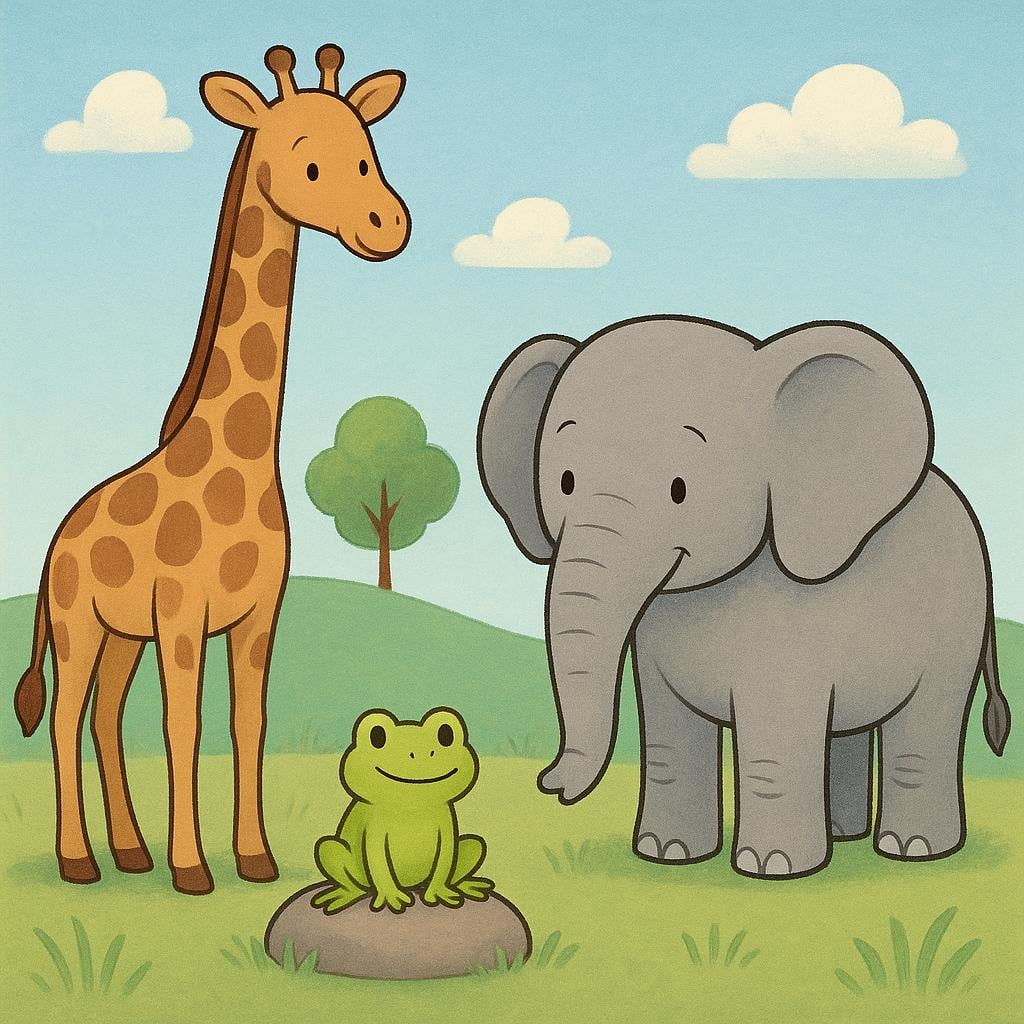
📝 In Action
La extinción de especies es un problema grave.
B1The extinction of species is a serious problem.
Descubrieron nuevas especies de peces en el océano profundo.
B2They discovered new species of fish in the deep ocean.
Hay diferentes especies de opiniones sobre este tema.
C1There are different kinds of opinions on this topic.
Translate to Spanish
✏️ Quick Practice
Quick Quiz: especies
Question 1 of 1
Which sentence uses 'especies' to mean 'spices'?
📚 More Resources
👥 Word Family▼
🎵 Rhymes▼
📚 Etymology▼
Comes directly from the Latin word *species*, which originally meant 'appearance,' 'form,' or 'a particular kind or sort.' This single root branched out in Spanish to cover both biological types and different types of flavoring agents (spices).
First recorded: 13th century
Cognates (Related words)
💡 Master Spanish
Take your Spanish to the next level. Read 200+ illustrated and narrated Spanish stories tailored to your level with the Inklingo app!
Frequently Asked Questions
Why does 'especies' mean both 'spices' and 'species'?
Both meanings come from the same basic idea: 'a kind or sort of thing.' Spices are different 'kinds' of flavorings, and biological species are different 'kinds' of life forms. The Spanish language kept this original double meaning.
Is there a singular form?
Yes, the singular form is 'especie' (feminine). You would use it when talking about a single type or kind, like 'una especie de pájaro' (one kind of bird).