esposas
“esposas” means “wives” in Spanish. It has 3 different meanings depending on context:


wives
Also: spouses
📝 In Action
Las esposas de los bomberos organizaron una colecta.
A1The firefighters' wives organized a collection.
Todas las esposas se reunieron para el brindis.
A2All the wives gathered for the toast.
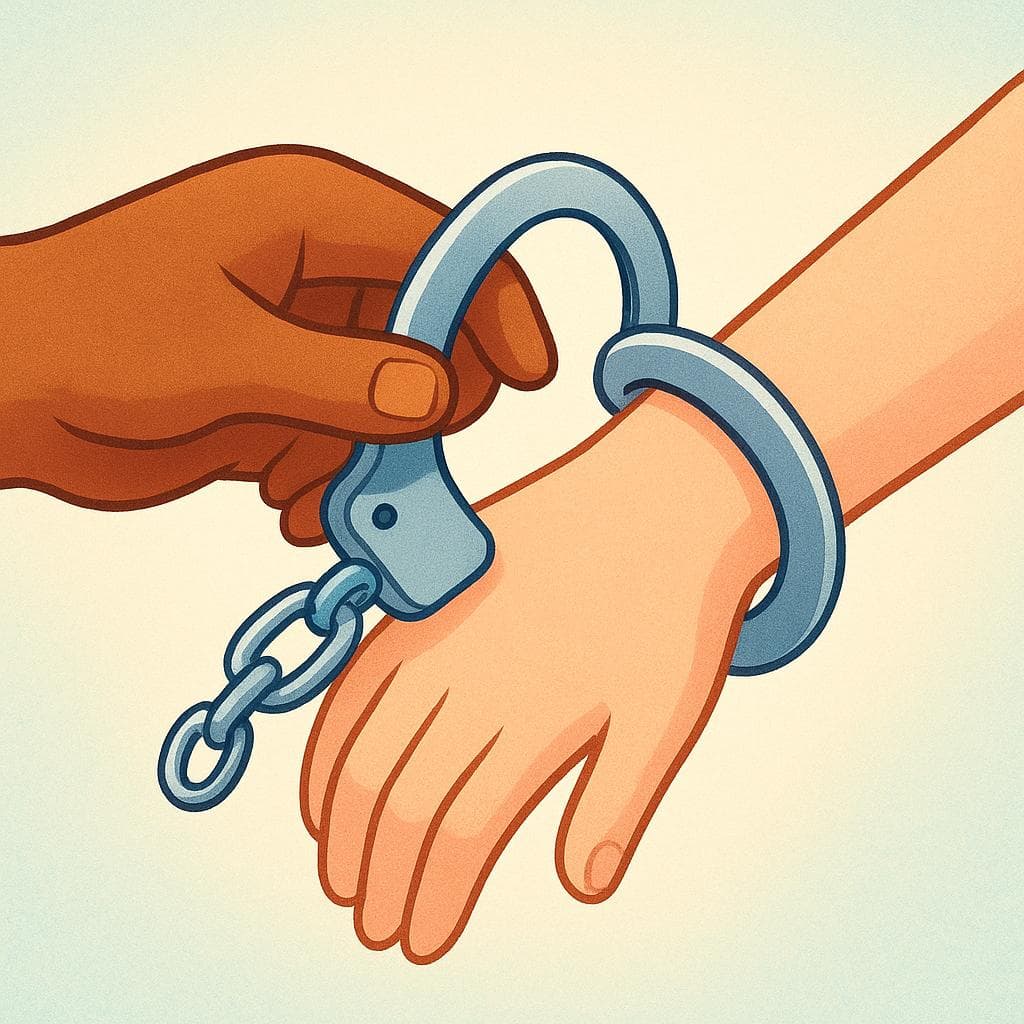
handcuffs
Also: shackles
📝 In Action
El ladrón fue arrestado y le pusieron las esposas.
B1The thief was arrested and they put the handcuffs on him.
Necesitas la llave para quitar las esposas.
B2You need the key to remove the handcuffs.
you handcuff
Also: you marry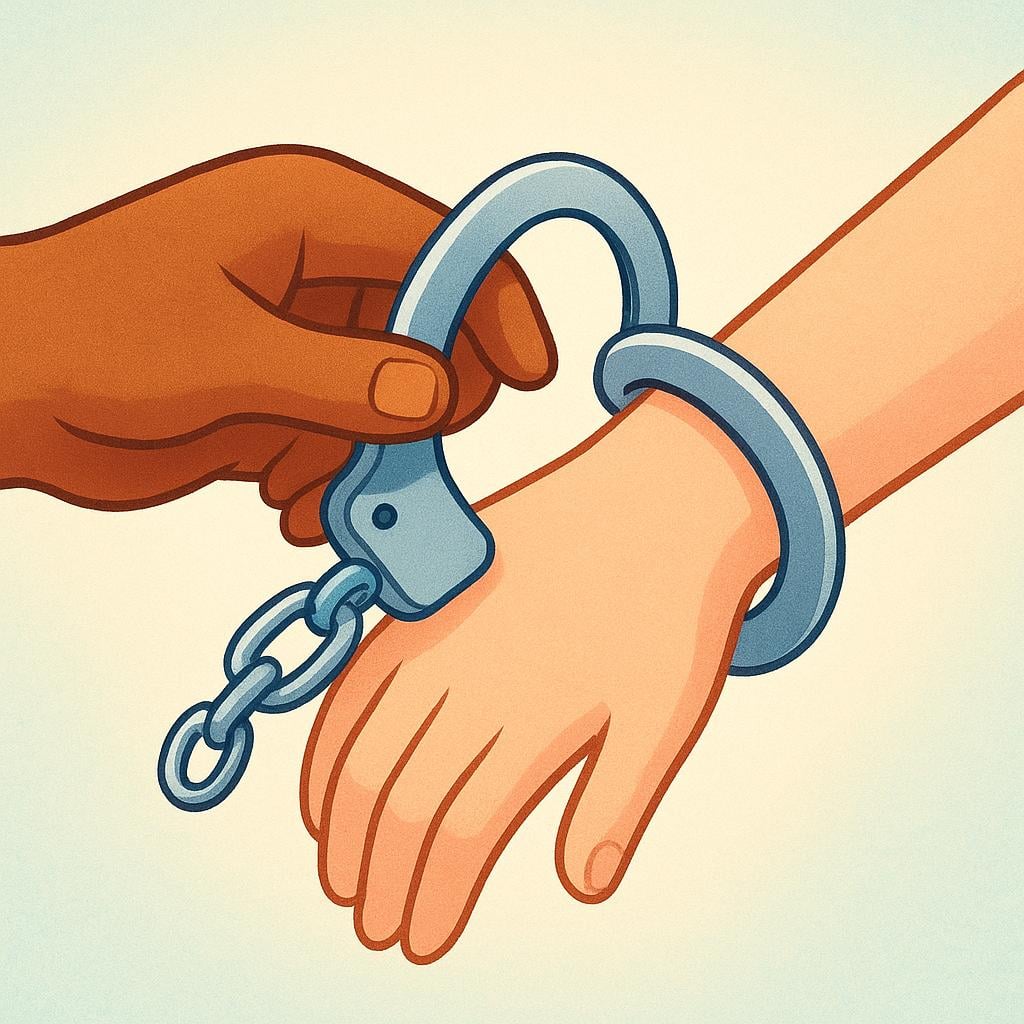
📝 In Action
Si tú esposas al sospechoso, debes leerle sus derechos.
B1If you handcuff the suspect, you must read him his rights.
Según la ley, tú esposas a quien comete un delito grave.
B2According to the law, you handcuff whoever commits a serious crime.
Indicative
Present
Imperfect
Preterite
Subjunctive
Present Subjunctive
Imperfect Subjunctive
Translate to Spanish
Words that translate to "esposas" in Spanish:
handcuffs→shackles→spouses→wives→you handcuff→you marry→✏️ Quick Practice
Quick Quiz: esposas
Question 1 of 2
Which sentence uses 'esposas' to mean 'handcuffs'?
📚 More Resources
📚 Etymology▼
The word 'esposas' has a fascinating double meaning rooted in the Latin word *sponsa* (betrothed woman) and *sponsus* (betrothed man), which relate to promising or binding oneself. The noun meaning 'handcuffs' arose because the concept of marriage involves being 'bound' by vows, and the restraints literally bind the hands.
First recorded: 13th century (referring to spouses)
Cognates (Related words)
💡 Master Spanish
Take your Spanish to the next level. Read 200+ illustrated and narrated Spanish stories tailored to your level with the Inklingo app!
Frequently Asked Questions
How can I tell the difference between 'wives' and 'handcuffs' when I hear 'esposas'?
Context is everything! If it is used with people (e.g., 'las esposas de los doctores'), it means wives. If it is used with actions like 'poner' (to put on) or 'quitar' (to take off) in a police context, it means handcuffs.
Is 'esposar' (the verb) commonly used to mean 'to marry'?
Not usually. While it technically means 'to join as spouses,' most Spanish speakers use 'casarse' (to get married) or 'unir en matrimonio' (to unite in marriage). 'Esposar' almost exclusively means 'to handcuff' in modern everyday speech.