establecer
“establecer” means “to establish” in Spanish. It has 3 different meanings depending on context:
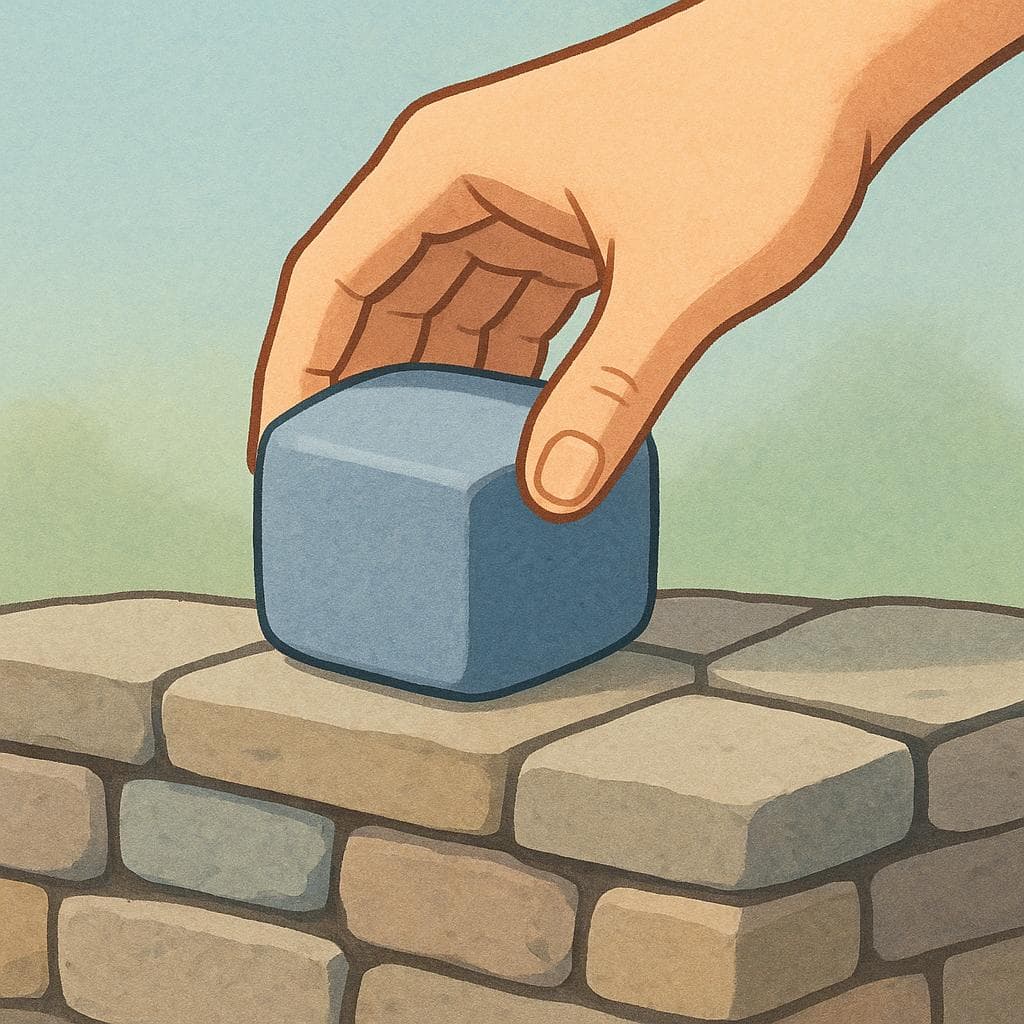

to establish, to set upAlso: to found, to create
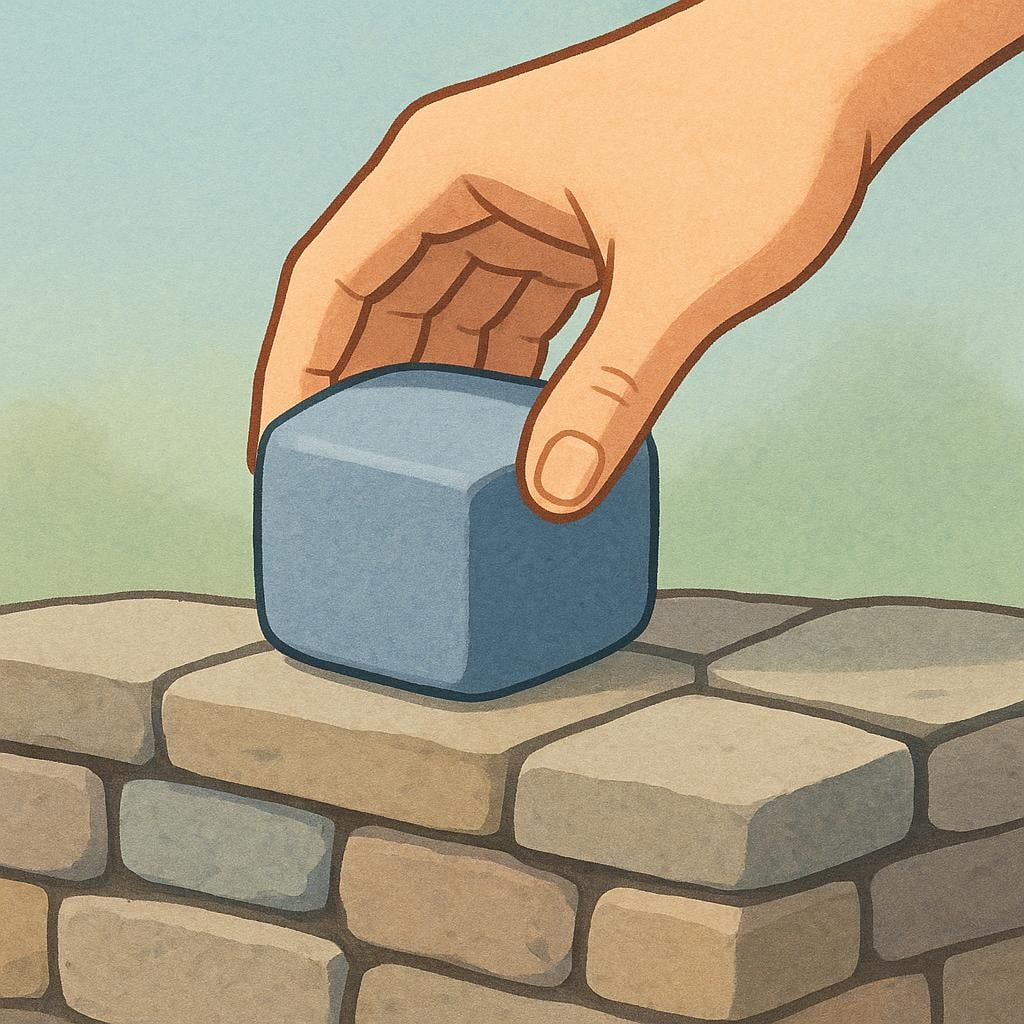
📝 In Action
El gobierno quiere establecer nuevas leyes de tráfico.
A2The government wants to establish new traffic laws.
Decidieron establecer una sucursal en Madrid el año pasado.
B1They decided to set up a branch office in Madrid last year.
Word Connections
to determine, to fixAlso: to ascertain, to set
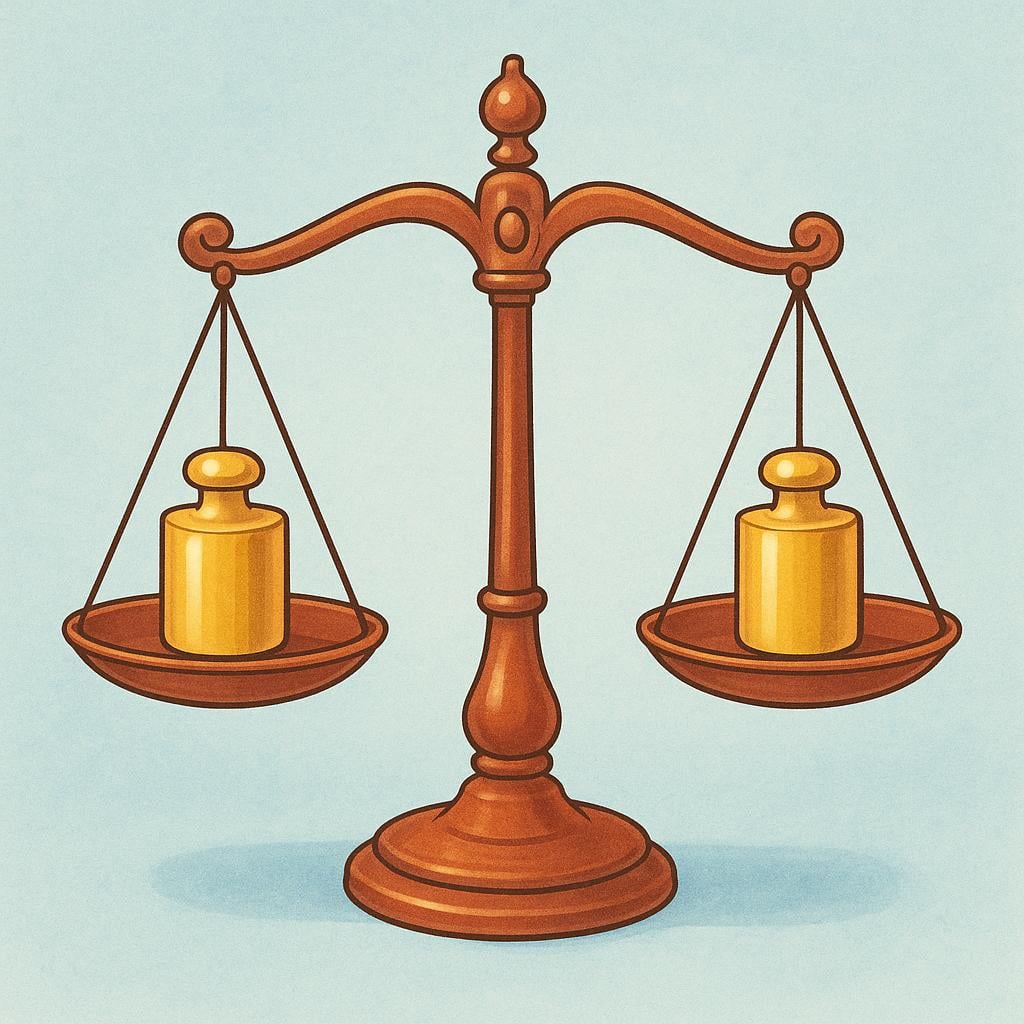
📝 In Action
Necesitamos establecer la causa exacta del problema.
B1We need to determine the exact cause of the problem.
El comité estableció el precio máximo para las entradas.
C1The committee fixed the maximum price for the tickets.
Word Connections
to settle downAlso: to take up residence

📝 In Action
Después de viajar mucho, decidieron establecerse en la costa.
B1After traveling a lot, they decided to settle down on the coast.
Me establecí aquí hace diez años y ya no me muevo.
B2I settled here ten years ago and I'm not moving anymore.
Word Connections
Indicative
Present
Imperfect
Preterite
Subjunctive
Present Subjunctive
Imperfect Subjunctive
Translate to Spanish
Words that translate to "establecer" in Spanish:
✏️ Quick Practice
Quick Quiz: establecer
Question 1 of 2
Which sentence uses 'establecer' in its reflexive form (establecerse)?
📚 More Resources
👥 Word Family
📚 Etymology
Comes from the Latin *stabilire* meaning 'to make firm' or 'to stand still,' which itself relates to the idea of being 'stable.' Spanish added the prefix 'e-' and changed the ending to form 'establecer,' keeping the original meaning of making something solid or fixed.
First recorded: 13th century
Cognates (Related words)
💡 Master Spanish
Take your Spanish to the next level. Read 200+ illustrated and narrated Spanish stories tailored to your level with the Inklingo app!
Frequently Asked Questions
Is 'establecer' a stem-changing verb?
No, it is not a typical stem-changing verb (like 'pensar' changing 'e' to 'ie'). However, it does have an irregularity: the 'c' changes to 'zc' in the 'yo' form of the present tense and throughout the present subjunctive mood. This is a common pattern for many -cer/-cir verbs.
When should I use 'establecer' versus 'crear'?
Use 'establecer' when you are setting up something official, permanent, or systematic (a government, a rule, a relationship). Use 'crear' for making something new, often more artistic or spontaneous (a drawing, a piece of software, a story).