explicarle
“explicarle” means “to explain to him/her” in Spanish (giving information to a third person).
to explain to him/her, to explain to you
Also: to clarify to him/her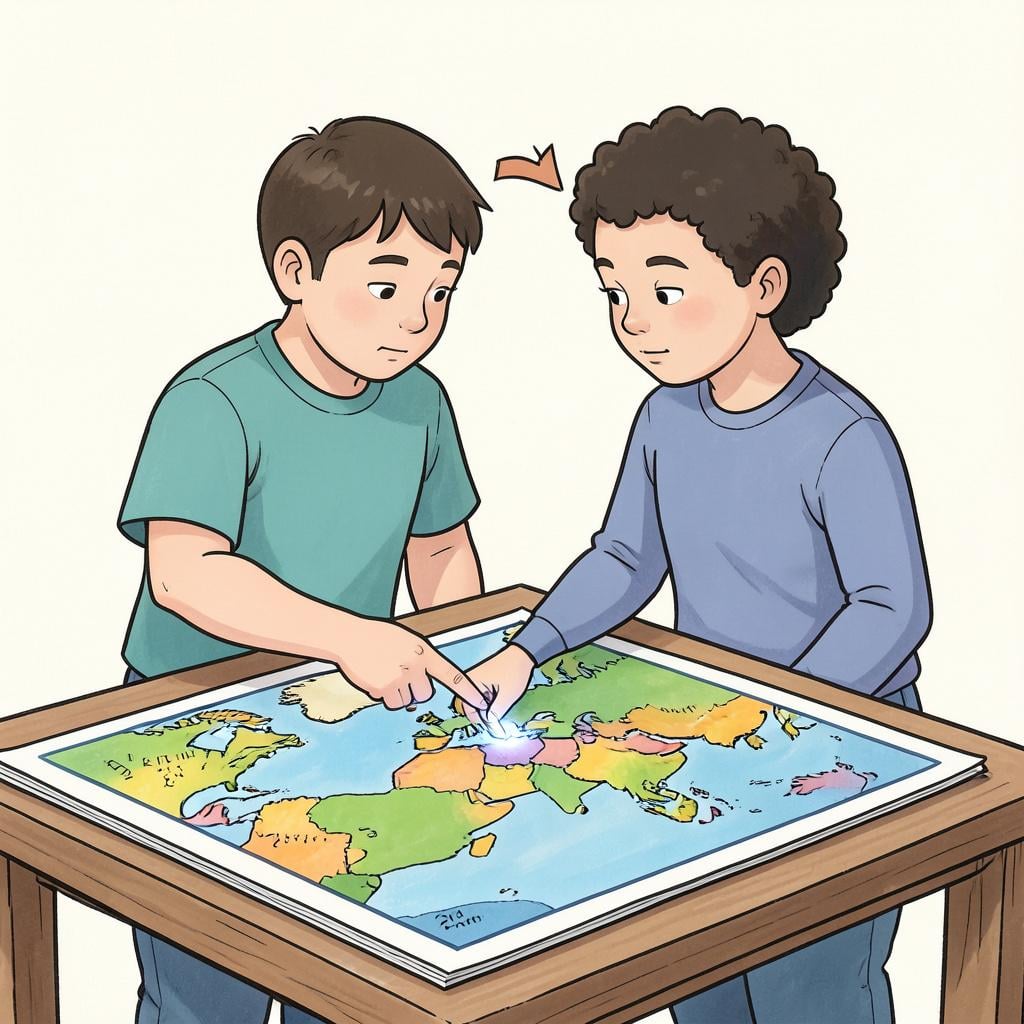
📝 In Action
Tengo que explicarle el plan a mi jefe.
A1I have to explain the plan to my boss.
Es difícil explicarle la verdad.
A2It is difficult to explain the truth to him.
Mañana voy a explicarle cómo funciona la máquina.
A2Tomorrow I am going to explain to her how the machine works.
🔄 Conjugations
subjunctive
imperfect
present
indicative
preterite
imperfect
present
✏️ Quick Practice
Quick Quiz: explicarle
Question 1 of 2
What does the 'le' in 'explicarle' represent?
📚 More Resources
👥 Word Family▼
📚 Etymology▼
From the Spanish verb 'explicar' (from Latin 'explicare' meaning 'to unfold') combined with the pronoun 'le' (to him/her/you).
First recorded: 13th century (base verb)
Cognates (Related words)
💡 Master Spanish
Take your Spanish to the next level. Read 200+ illustrated and narrated Spanish stories tailored to your level with the Inklingo app!
Frequently Asked Questions
Can 'explicarle' mean 'explain it'?
No. 'Explicarle' means explain to HIM or HER. If you want to say 'explain it,' you would use 'explicarlo'.
Why is the 'le' at the end?
In Spanish, pronouns like 'le' attach to the end of verbs that are in their dictionary form (infinitives), such as 'explicar'.