explicarme
“explicarme” means “explain to me” in Spanish. It has 2 different meanings depending on context:
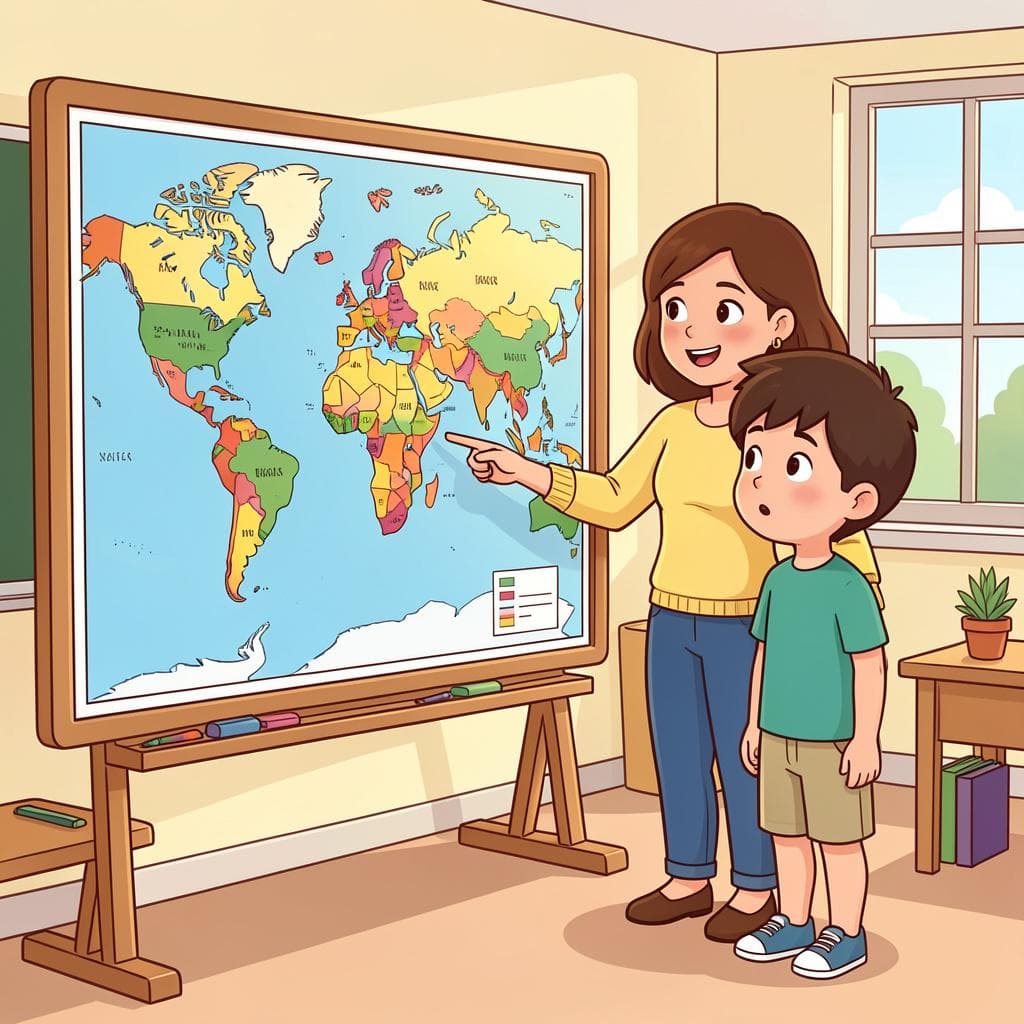

explain to me
Also: tell me how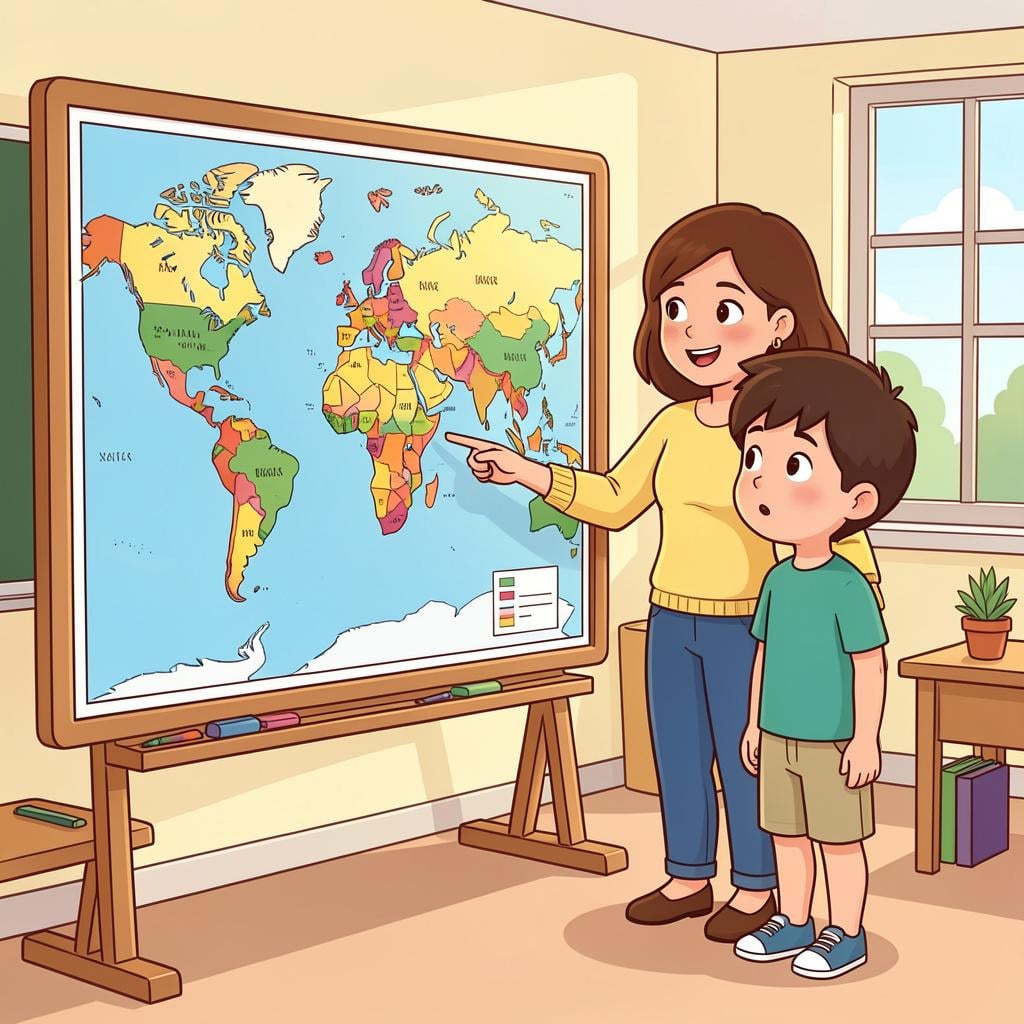
📝 In Action
¿Puedes explicarme cómo llegar al hotel?
A1Can you explain to me how to get to the hotel?
Necesitas explicarme por qué llegaste tarde.
A2You need to explain to me why you arrived late.
Él va a explicarme el plan mañana.
A1He is going to explain the plan to me tomorrow.
to explain myself, to make myself clear

📝 In Action
No sé si acabo de explicarme bien.
B1I don't know if I just made myself clear.
Déjame explicarme antes de enojarte.
B1Let me explain myself before you get angry.
🔄 Conjugations
subjunctive
imperfect
present
indicative
preterite
imperfect
present
✏️ Quick Practice
Quick Quiz: explicarme
Question 1 of 2
What is the difference between 'explicar' and 'explicarme'?
📚 More Resources
👥 Word Family▼
📚 Etymology▼
From the Latin 'explicare', which literally meant 'to unfold' or 'unroll' (like a scroll), combined with the Spanish first-person pronoun 'me'.
First recorded: 13th century (base verb)
Cognates (Related words)
💡 Master Spanish
Take your Spanish to the next level. Read 200+ illustrated and narrated Spanish stories tailored to your level with the Inklingo app!
Frequently Asked Questions
Why is 'me' at the end of the word?
In Spanish, when a verb is in its infinitive form (ending in -ar, -er, or -ir), object pronouns like 'me' must be attached to the end of the verb to form a single word.
Does 'explicarme' ever change?
If you change the person receiving the explanation, the ending changes: 'explicarte' (to explain to you), 'explicarle' (to explain to him/her).