fallo
“fallo” means “mistake” in Spanish. It has 3 different meanings depending on context:


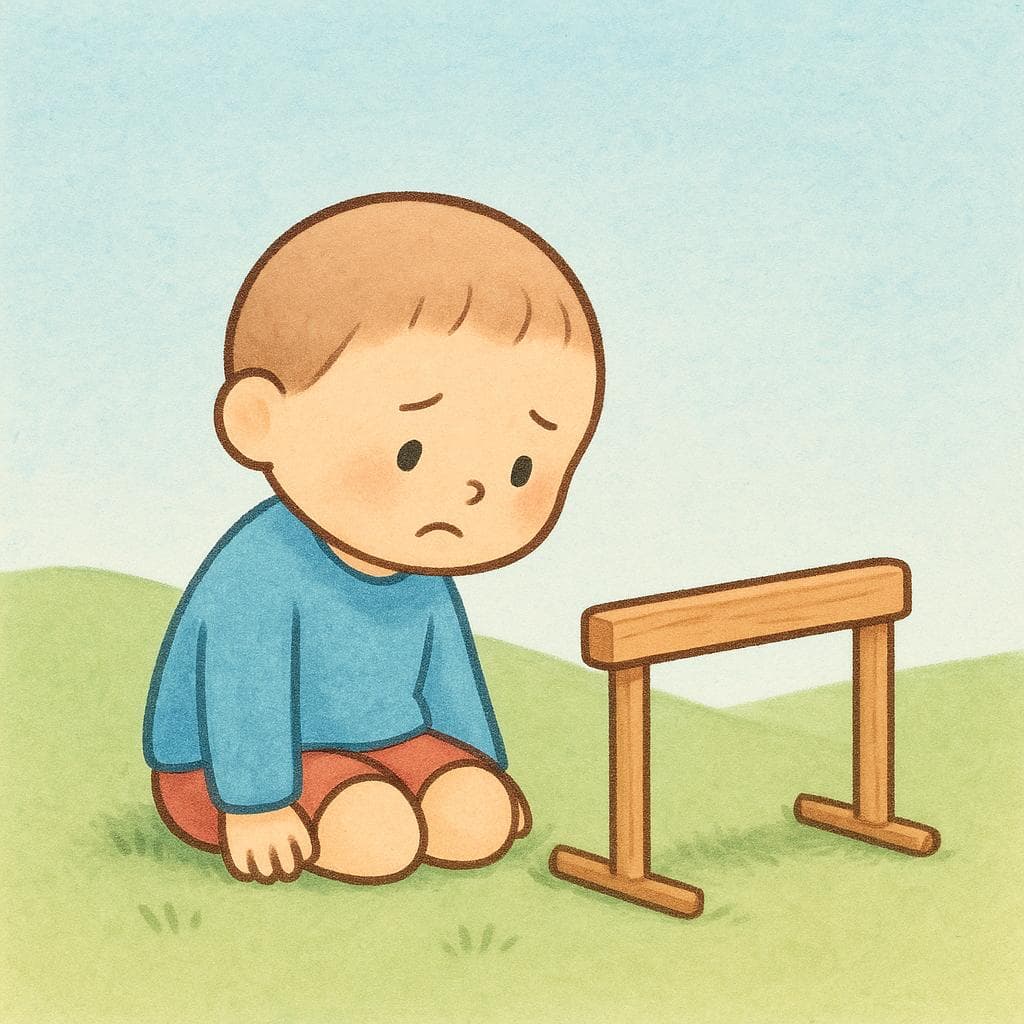
mistake, failureAlso: defect, error

📝 In Action
Hubo un fallo en el motor y tuvimos que parar.
A2There was a failure in the engine and we had to stop.
Este fallo de diseño es peligroso.
B1This design defect is dangerous.
Admitió su fallo y pidió disculpas.
B1He admitted his mistake and apologized.
Word Connections
ruling, verdictAlso: judgment

📝 In Action
El fallo del tribunal fue a favor de la demandante.
B2The court's ruling was in favor of the plaintiff.
La prensa espera el fallo final sobre el caso de corrupción.
C1The press awaits the final verdict on the corruption case.
Word Connections
I fail, I missAlso: I disappoint

📝 In Action
Si no estudio, fallo el examen.
A1If I don't study, I fail the exam.
Cuando intento hacer esa receta, siempre fallo en el último paso.
A2When I try to make that recipe, I always fail at the last step.
Nunca fallo a mis amigos.
B1I never let my friends down (or: I never fail my friends).
Word Connections
Indicative
Present
Imperfect
Preterite
Subjunctive
Present Subjunctive
Imperfect Subjunctive
Translate to Spanish
✏️ Quick Practice
Quick Quiz: fallo
Question 1 of 2
Which sentence uses 'fallo' in its formal, legal meaning?
📚 More Resources
🎵 Rhymes
📚 Etymology
Comes from the Old Spanish verb 'fallir,' which itself came from the Latin verb *fallere*, meaning 'to deceive' or 'to slip up.' The concept evolved from trickery to simply making a mistake or failing.
First recorded: 13th century
Cognates (Related words)
💡 Master Spanish
Take your Spanish to the next level. Read 200+ illustrated and narrated Spanish stories tailored to your level with the Inklingo app!
Frequently Asked Questions
How do I know if 'fallo' means 'mistake' or 'ruling'?
Look at the surrounding words. If you see words like 'juez' (judge), 'tribunal' (court), or 'sentencia' (sentence), it means 'ruling.' If you see words like 'sistema' (system), 'máquina' (machine), or 'diseño' (design), it means 'mistake' or 'defect.'
Is 'fallo' the same as 'falla'?
They are very similar! 'Fallo' (masculine noun) is generally preferred in Spain for technical or legal failures. 'Falla' (feminine noun) is very common in Latin America for errors or faults, and in Spain, it specifically refers to a geological fault or a large festival in Valencia.