fatal
“fatal” means “terrible” in Spanish. It has 3 different meanings depending on context:
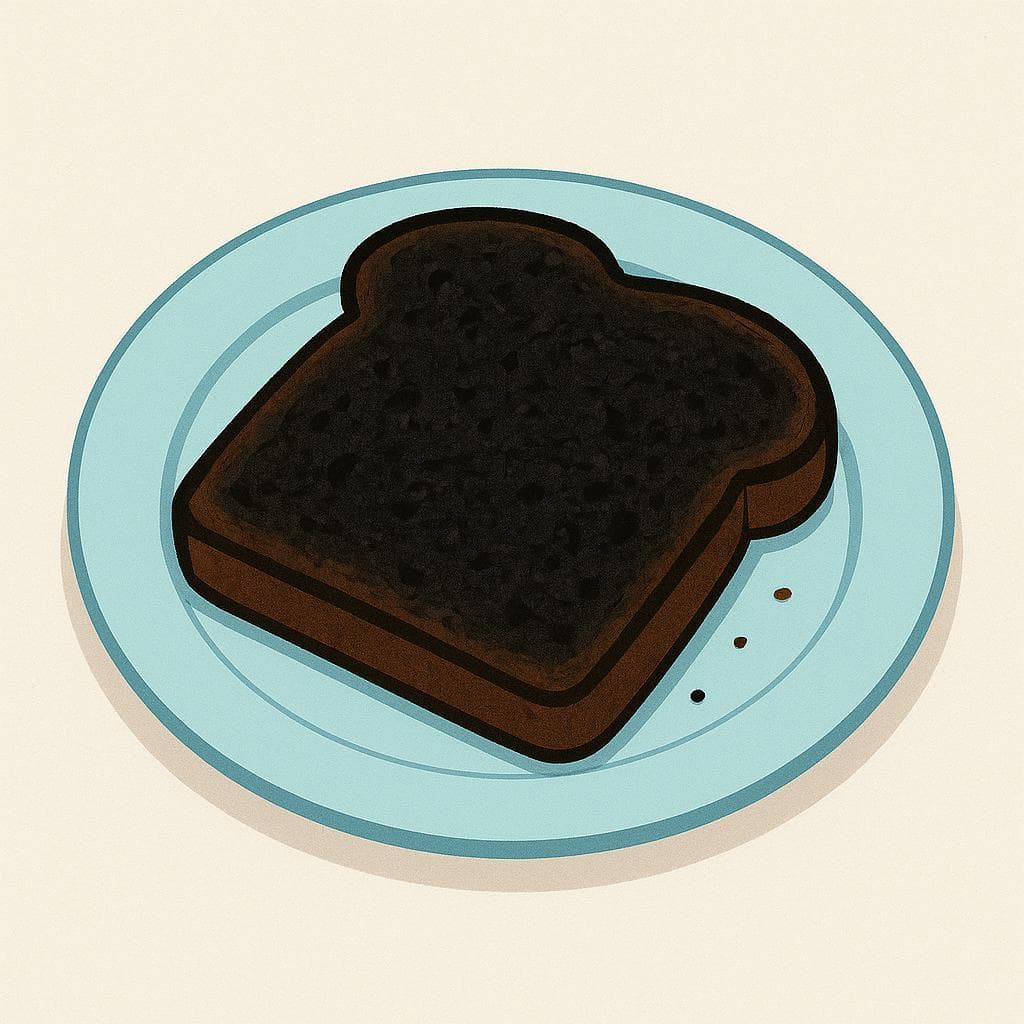

terrible, awfulAlso: dreadful, disastrous

📝 In Action
La comida en ese restaurante era fatal, no pudimos terminarla.
A2The food at that restaurant was terrible; we couldn't finish it.
Mi entrevista de trabajo fue fatal. No creo que me llamen.
B1My job interview went terribly (was awful). I don't think they'll call me.
Word Connections
fatal, deadlyAlso: fateful

📝 In Action
El accidente de coche fue fatal para los dos conductores.
B2The car accident was fatal for both drivers.
Ese fue un encuentro fatal que cambió el curso de la historia.
C1That was a fateful encounter that changed the course of history.
Word Connections
terribly, awfullyAlso: very badly
📝 In Action
Canto fatal, pero me encanta la música.
B1I sing terribly, but I love music.
¿Cómo te fue en el viaje? — Me fue fatal.
B1How did your trip go? — It went awfully.
Word Connections
Translate to Spanish
✏️ Quick Practice
Quick Quiz: fatal
Question 1 of 2
Which sentence uses 'fatal' in its most common, informal Spanish meaning?
📚 More Resources
👥 Word Family
📚 Etymology
The word comes from the Latin term 'fatalis,' which means 'ordained by fate' or 'relating to destiny' (*fatum*). This is why the serious meaning ('deadly') is the original one, but over time, it became a strong informal way to say 'awful.'
First recorded: 13th century
Cognates (Related words)
💡 Master Spanish
Take your Spanish to the next level. Read 200+ illustrated and narrated Spanish stories tailored to your level with the Inklingo app!
Frequently Asked Questions
Does 'fatal' change depending on if I'm talking about one thing or many things?
No. 'Fatal' is special because it is invariable. It stays 'fatal' whether you are talking about 'una película fatal' (one awful movie) or 'dos películas fatal' (two awful movies). The word itself never adds an 's'.
How do I know if 'fatal' means 'deadly' or 'terrible'?
Context is key. If you are talking about an accident, a serious illness, or a major, life-changing mistake, it means 'deadly' or 'fateful.' If you are talking about food, a movie, or a bad day, it means 'terrible' or 'awful.' The informal meaning is much more common.