Inklingo

firmado

/fir-MAH-do/

signed

A close-up of a white sheet of paper lying flat on a wooden surface, showing a distinct, abstract black signature scribble near the bottom.

When something is firmado, it is signed, meaning it bears a signature.

firmado(adjective)

mA2

signed

?

having a signature

Also:

endorsed

?

formally approved

📝 In Action

Necesito una copia del documento firmado.

A2

I need a copy of the signed document.

La camiseta autografiada estaba firmada por todo el equipo.

B1

The autographed shirt was signed by the whole team.
Word Connections

Synonyms

  • suscrito (subscribed, signed)
  • rubricado (initialed, signed)

Antonyms

  • sin firmar (unsigned)

Common Collocations

  • contrato firmadosigned contract
  • acuerdo firmadosigned agreement

💡 Grammar Points

Changing the Form

Since 'firmado' is an adjective, it must match the gender and number of the noun it describes: 'el acuerdo firmado' (masculine singular), 'la carta firmada' (feminine singular), 'los papeles firmados' (masculine plural).

❌ Common Pitfalls

Agreement Error

Mistake: "La carta está firmado."

Correction: La carta está firmada. (The adjective must end in -a because 'carta' is feminine.)

⭐ Usage Tips

Describing the State

Use 'estar firmado' (to be signed) to talk about the current condition or state of a document, not the action itself.

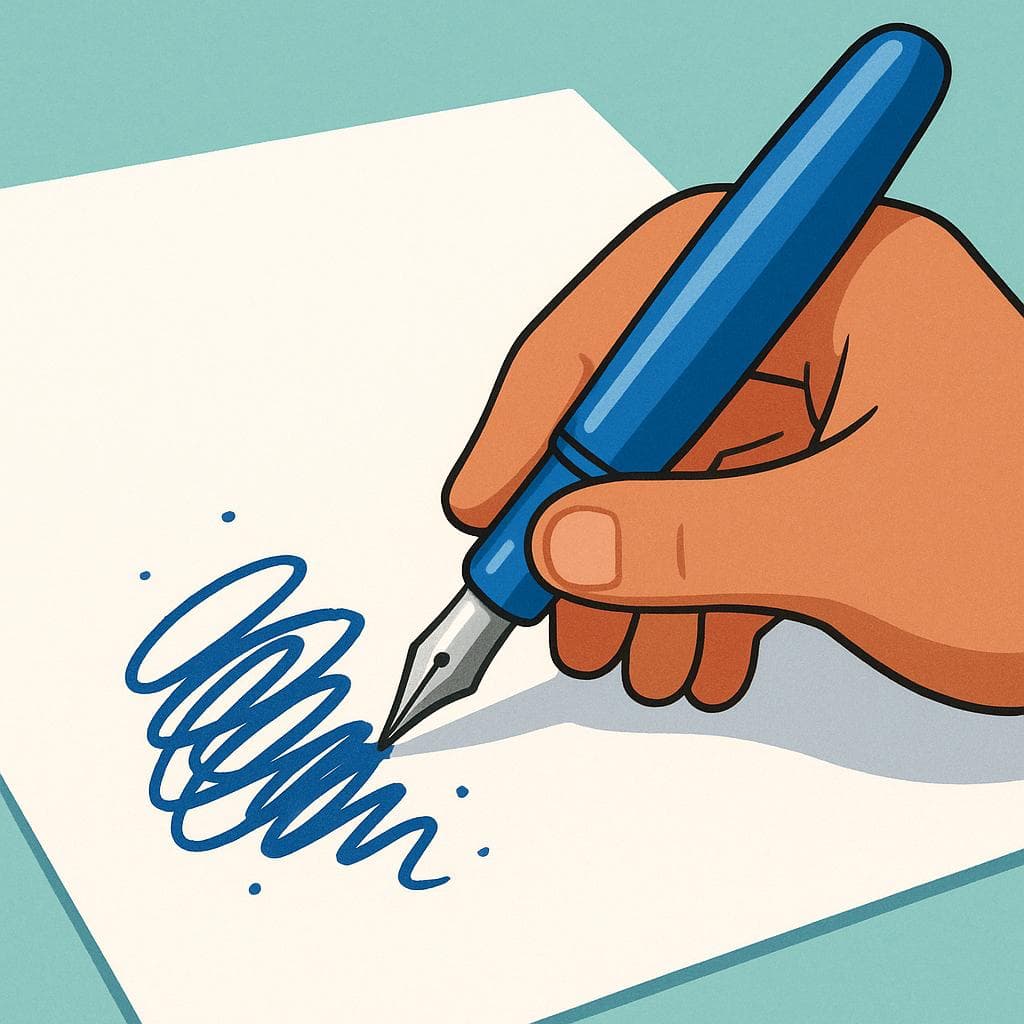
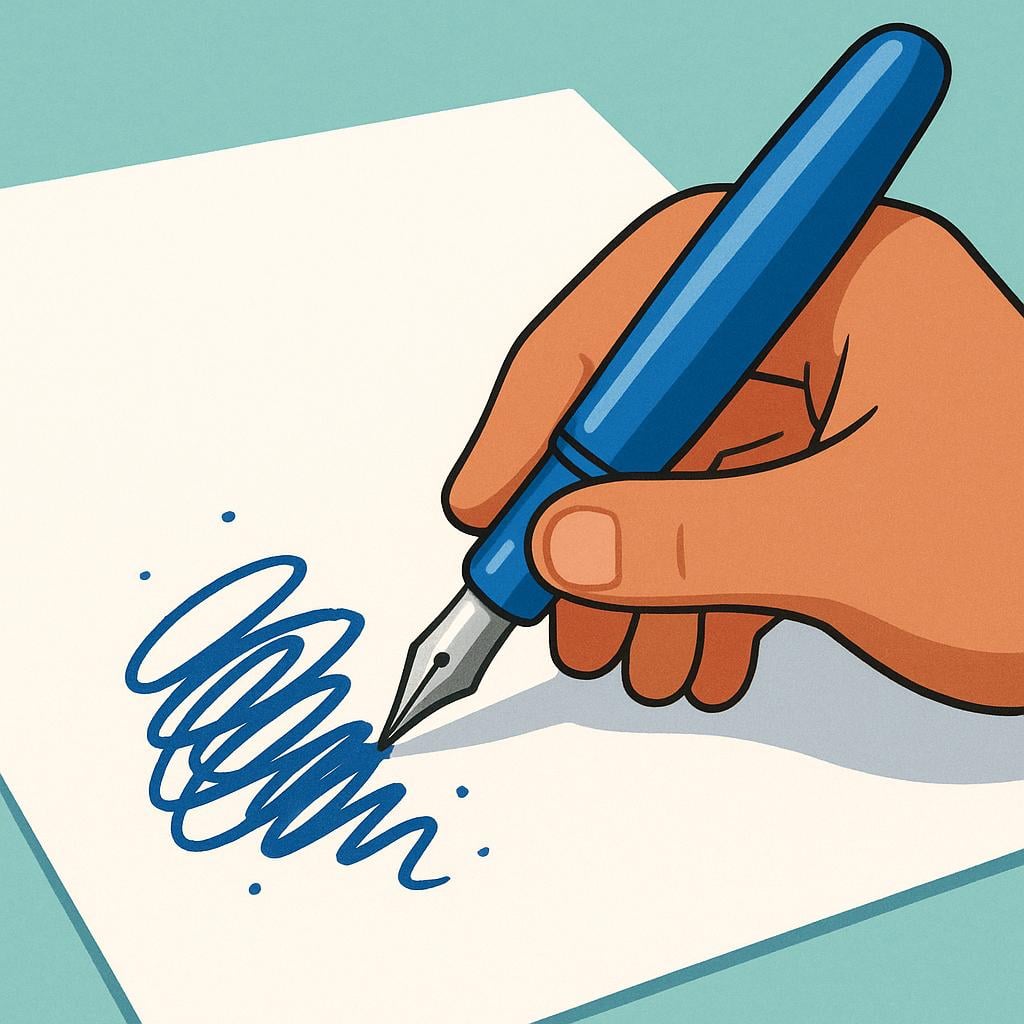
A human hand holding a fountain pen, actively drawing a signature onto a white piece of paper.

As a past participle, firmado refers to the completed action of having signed something.

firmado(verb form (past participle))

A1

signed

?

used in compound tenses

📝 In Action

Ya hemos firmado la hipoteca.

A1

We have already signed the mortgage.

¿Habías firmado el recibo antes de irte?

B1

Had you signed the receipt before leaving?

Word Connections

Common Collocations

  • haber firmadoto have signed
  • ser firmadoto be signed (passive voice)

💡 Grammar Points

Creating Compound Actions

'Firmado' is the special form of the verb 'firmar' that combines with the verb 'haber' (to have) to describe actions completed in the past, like 'He firmado' (I have signed).

Participle Rule

When used with 'haber' to form compound tenses, 'firmado' never changes its form; it always stays masculine singular (-o), regardless of who did the signing or what was signed.

❌ Common Pitfalls

Changing Form with 'Haber'

Mistake: "Hemos firmadas las cartas."

Correction: Hemos firmado las cartas. (The participle 'firmado' never changes when used with 'haber'.)

⭐ Usage Tips

Passive Voice

This form is also used with 'ser' (to be) to create the passive voice, describing an action done by someone else: 'La carta fue firmada por el jefe' (The letter was signed by the boss).

✏️ Quick Practice

💡 Quick Quiz: firmado

Question 1 of 1

Which sentence uses 'firmado' correctly as an adjective?

📚 More Resources

Word Family

Frequently Asked Questions

Does 'firmado' ever change its ending?

Yes, it depends on how you use it! If you use it as an adjective (like 'signed document'), it must change to match the noun (firmada, firmados, firmadas). If you use it with 'haber' (I have signed), it always stays 'firmado' and never changes.

What is the difference between 'ser firmado' and 'estar firmado'?

'Ser firmado' is used for the passive voice, focusing on the action itself ('The contract was signed'). 'Estar firmado' is used to describe the result or state ('The contract is signed'—it's in a signed condition right now).