fractura
“fractura” means “fracture” in Spanish. It has 2 different meanings depending on context:
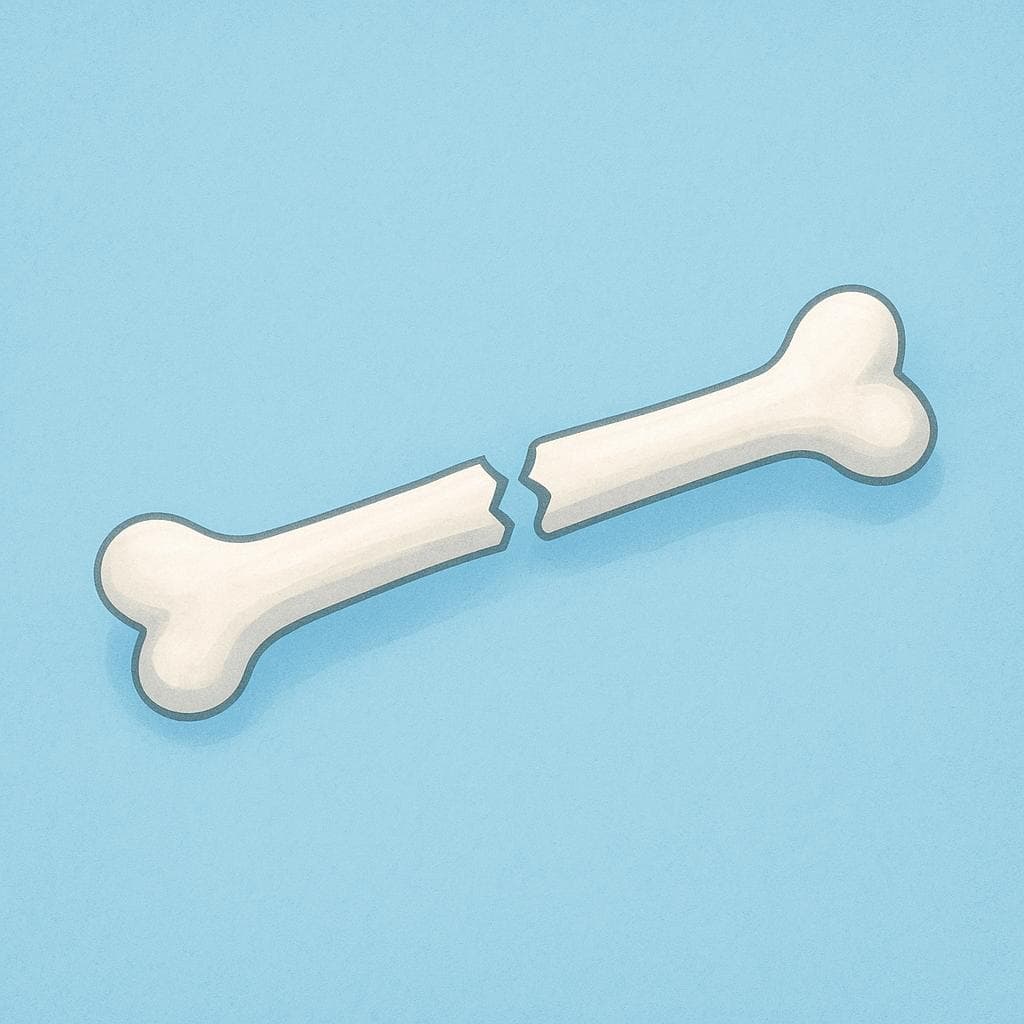
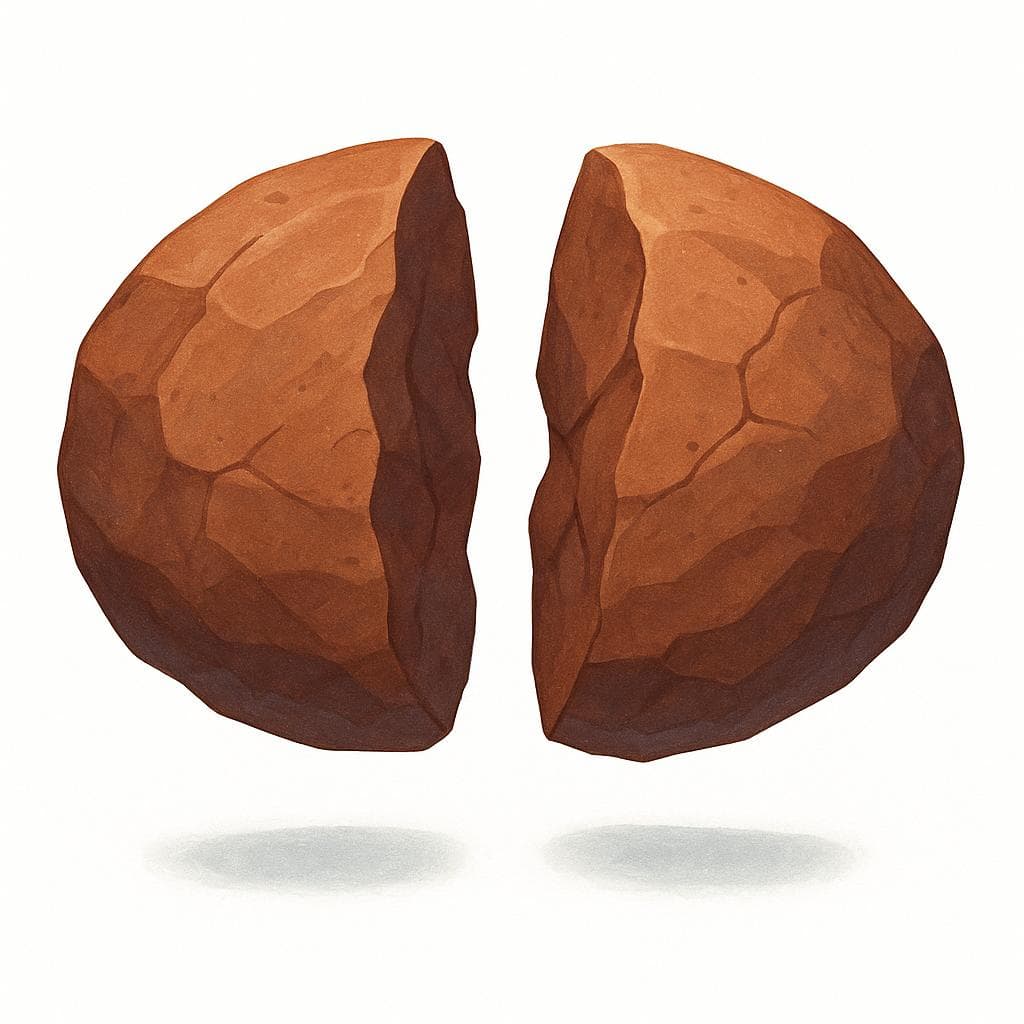
fracture
Also: break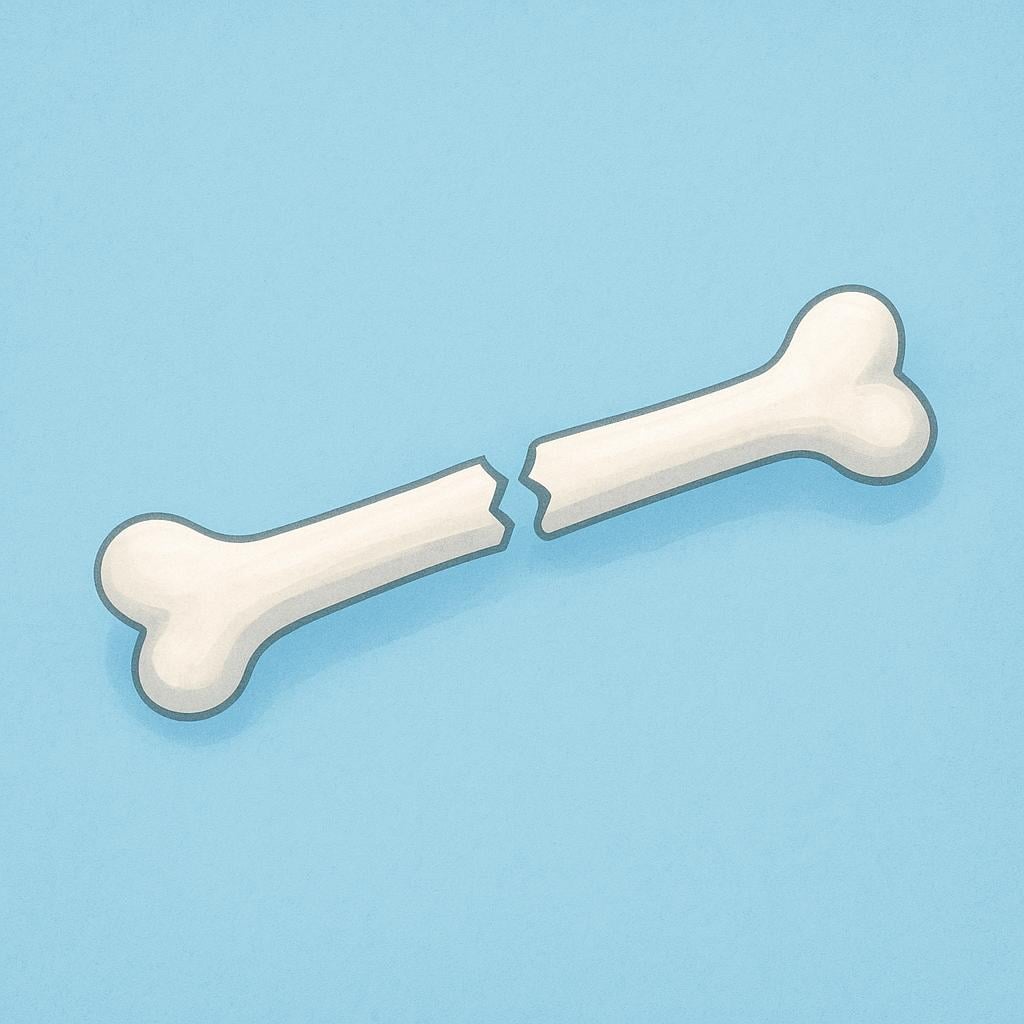
📝 In Action
El médico confirmó que el niño tiene una fractura en el brazo.
A2The doctor confirmed that the boy has a fracture in his arm.
Esta roca tiene una pequeña fractura por el frío.
B1This rock has a small crack because of the cold.
rift
Also: split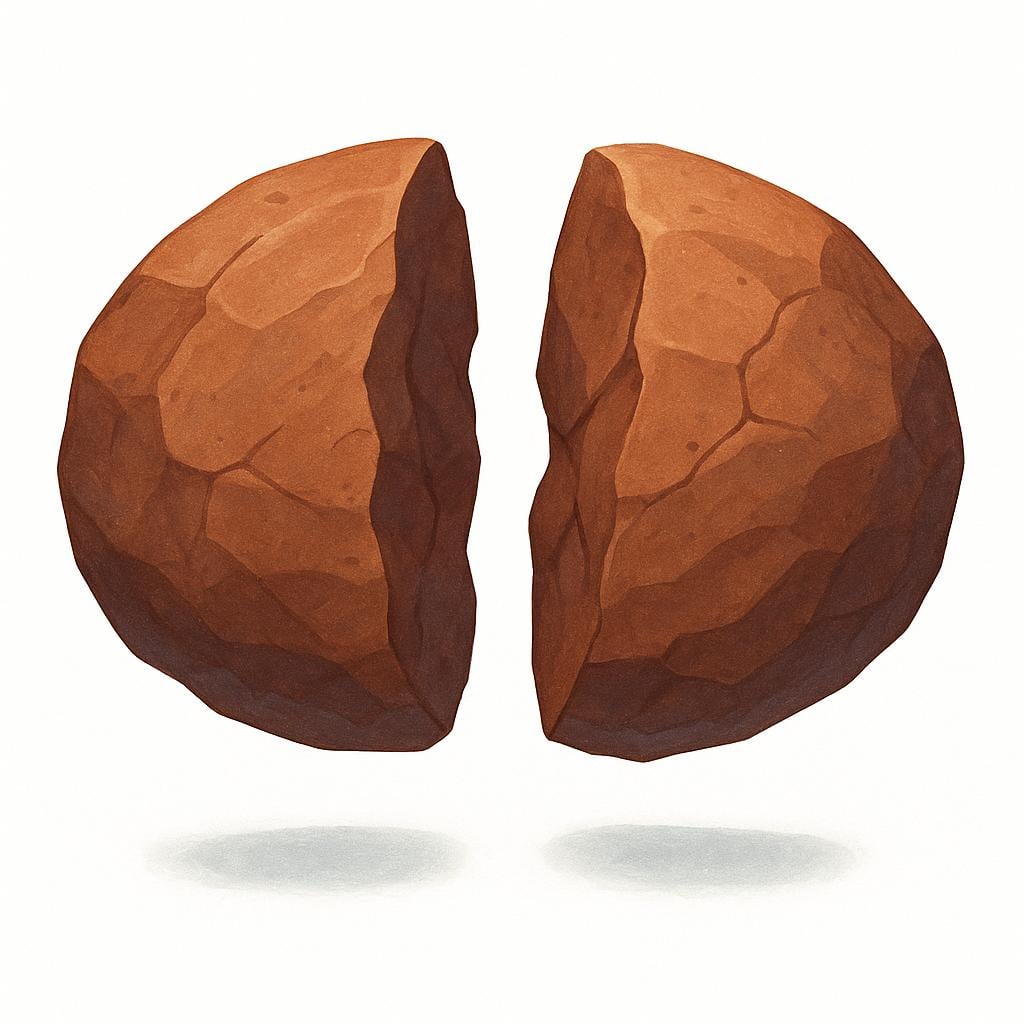
📝 In Action
Existe una fractura social profunda entre el campo y la ciudad.
B2There is a deep social rift between the countryside and the city.
La decisión del líder causó una fractura interna en el partido.
C1The leader's decision caused an internal split in the party.
✏️ Quick Practice
Quick Quiz: fractura
Question 1 of 1
Which sentence uses 'fractura' in a medical sense?
📚 More Resources
👥 Word Family▼
📚 Etymology▼
From the Latin word 'fractura', which comes from 'frangere', meaning 'to break'.
First recorded: 13th century
Cognates (Related words)
💡 Master Spanish
Take your Spanish to the next level. Read 200+ illustrated and narrated Spanish stories tailored to your level with the Inklingo app!
Frequently Asked Questions
Is 'fractura' the same as 'hueso roto'?
Yes! 'Fractura' is the more formal or medical term, while 'hueso roto' (broken bone) is what people say in casual conversation.