franceses
“franceses” means “French people” in Spanish. It has 2 different meanings depending on context:
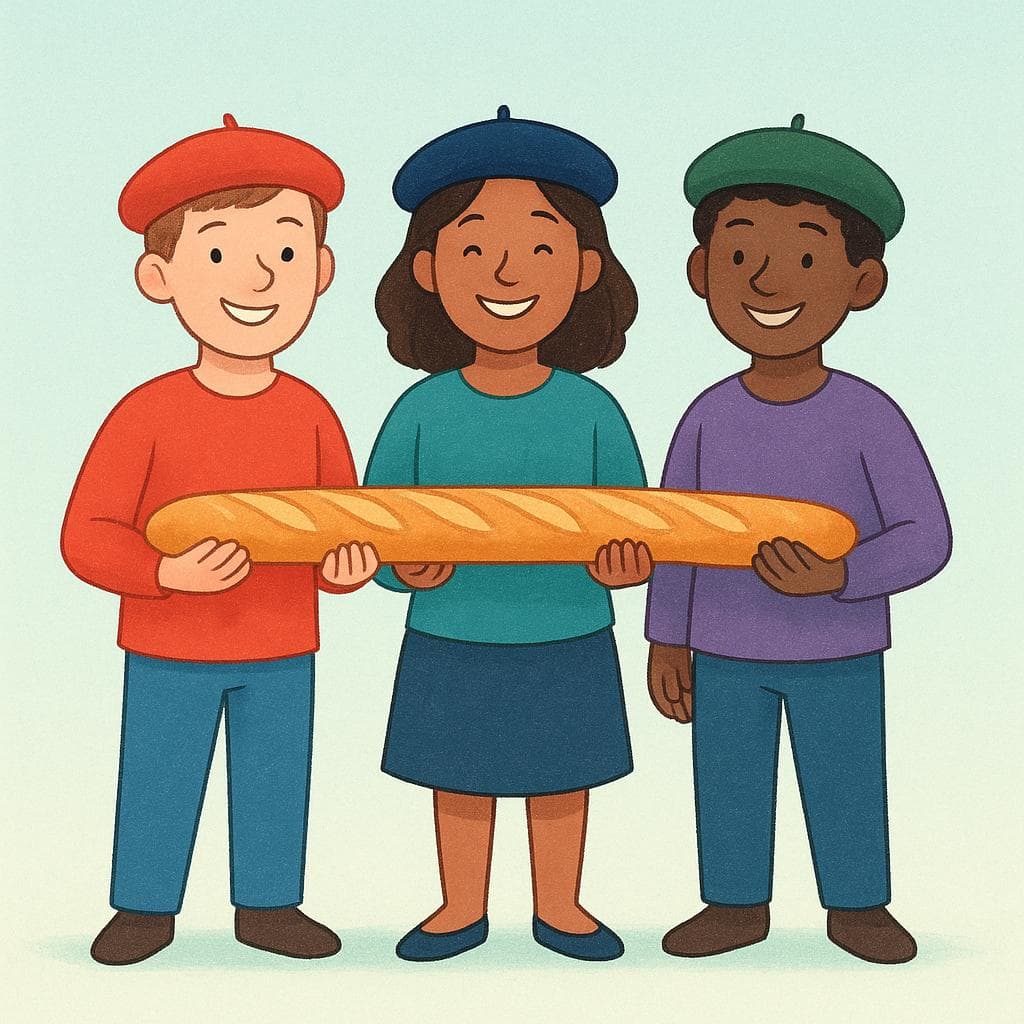

French people
Also: Frenchmen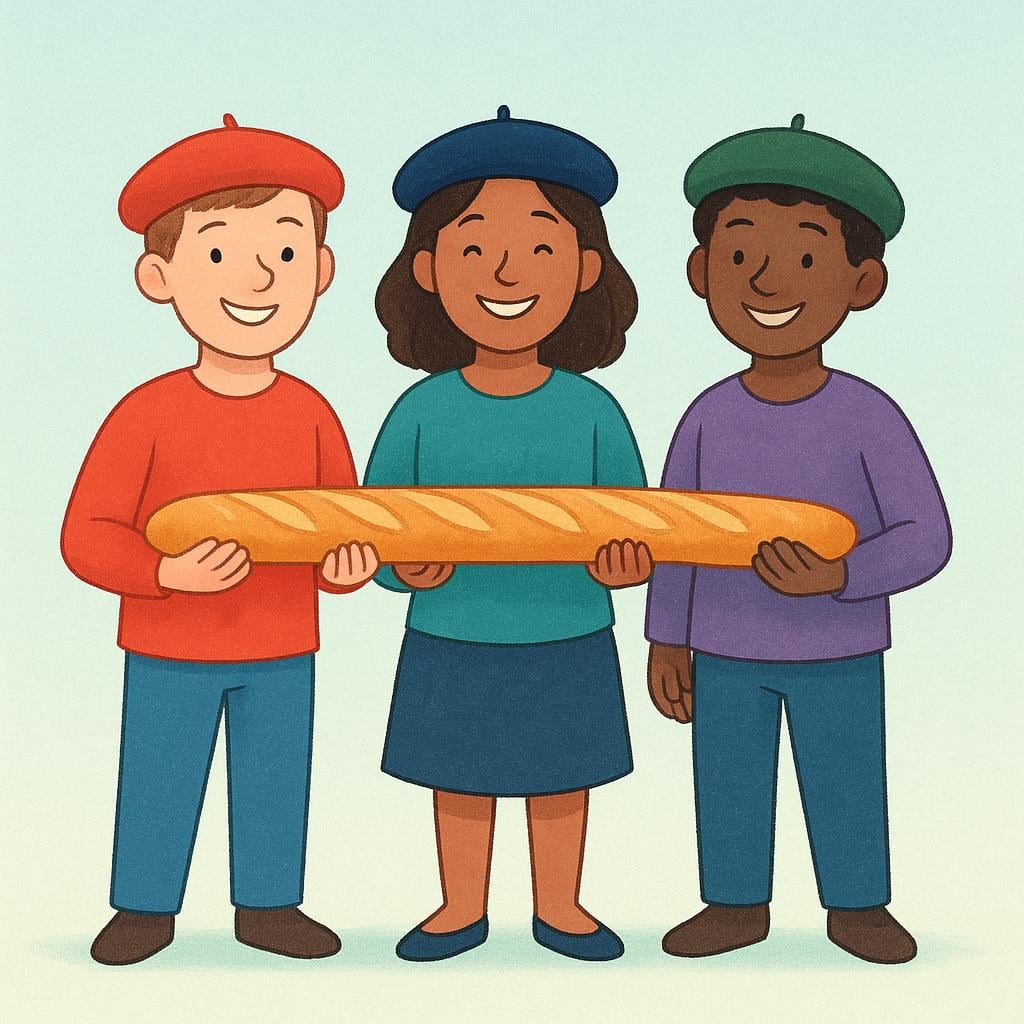
📝 In Action
Los franceses son muy orgullosos de su historia.
A1The French people are very proud of their history.
Había muchos franceses en la conferencia internacional.
A2There were many French people at the international conference.
French

📝 In Action
Me encantan los vinos franceses.
A1I love French wines.
Los coches franceses son muy eficientes.
A2French cars are very efficient.
Translate to Spanish
✏️ Quick Practice
Quick Quiz: franceses
Question 1 of 1
Which sentence uses 'franceses' as a noun (referring to people)?
📚 More Resources
👥 Word Family▼
📚 Etymology▼
This word comes from the Old French word *franceis*, which itself relates to the Germanic tribe known as the Franks, who gave their name to the country of France.
First recorded: Around the 11th century in early Spanish texts.
Cognates (Related words)
💡 Master Spanish
Take your Spanish to the next level. Read 200+ illustrated and narrated Spanish stories tailored to your level with the Inklingo app!
Frequently Asked Questions
Why is the plural of 'francés' spelled with an 'e' before the 's' (franceses)?
In Spanish, if a word ends in a consonant (like the 's' in 'francés'), you need to add '-es' to make it plural. If it ended in a vowel, you would just add 's'.
When do I use 'franceses' versus 'francesas'?
'Franceses' is used for a group of French men, or a mixed group of men and women. 'Francesas' is used only if the group consists entirely of French women or if the noun you are describing is feminine plural (e.g., 'mujeres francesas').