fáciles
“fáciles” means “easy” in Spanish (referring to tasks or concepts).
easy, simple
Also: straightforward, light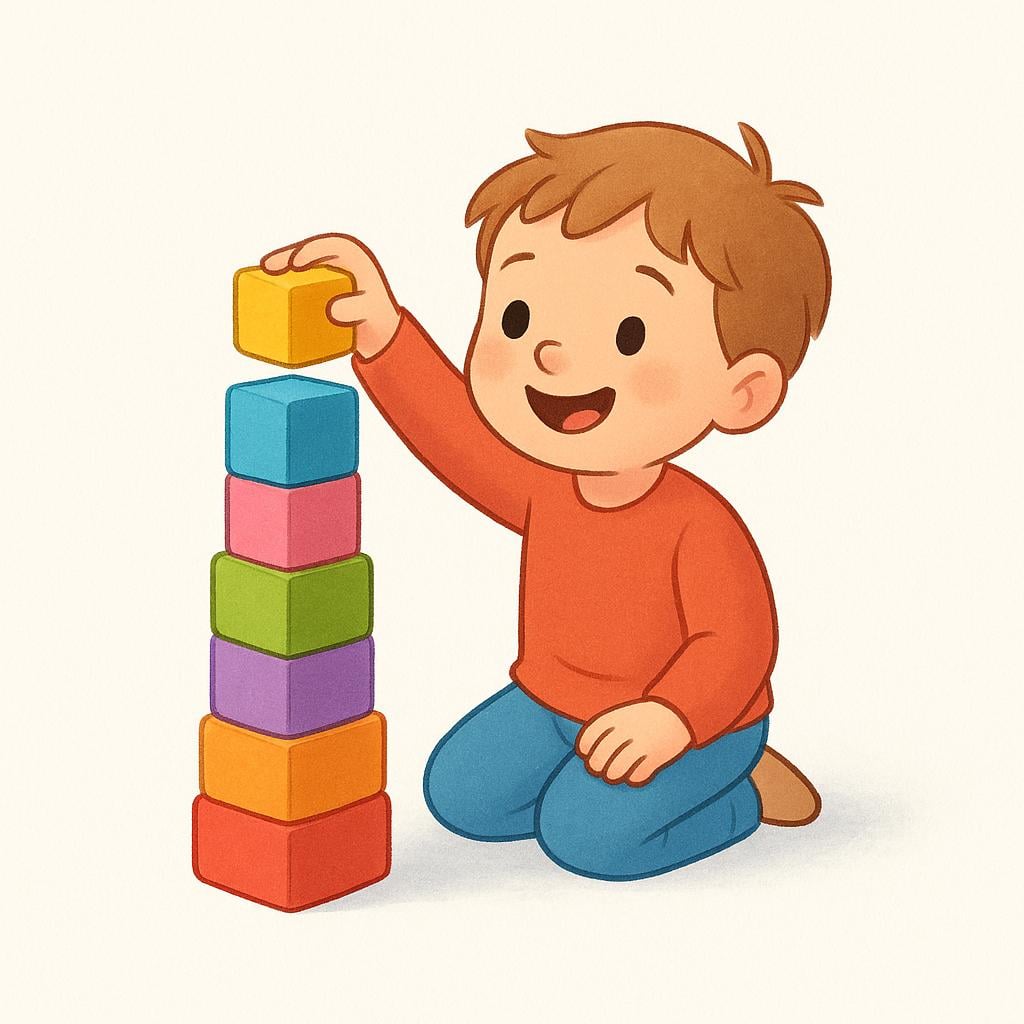
📝 In Action
Las matemáticas son difíciles, pero estos ejercicios son muy fáciles.
A1Math is difficult, but these exercises are very easy.
Encontré dos soluciones fáciles para el problema.
A2I found two easy solutions for the problem.
Dicen que las reglas del juego son fáciles de aprender.
A1They say the rules of the game are simple to learn.
✏️ Quick Practice
Quick Quiz: fáciles
Question 1 of 1
Which sentence correctly uses 'fáciles'?
📚 More Resources
👥 Word Family▼
🎵 Rhymes▼
📚 Etymology▼
Comes directly from the Latin word *facilis*, meaning 'easy to do' or 'ready.' It has remained virtually unchanged in Spanish for centuries, making it a very stable word.
First recorded: Around the 13th century (in early Spanish documents)
Cognates (Related words)
💡 Master Spanish
Take your Spanish to the next level. Read 200+ illustrated and narrated Spanish stories tailored to your level with the Inklingo app!
Frequently Asked Questions
Why does 'fácil' have an accent mark, but 'fáciles' does not?
This is a rule based on Spanish stress patterns. 'Fácil' needs the accent because the stress falls on the first syllable (FAH-cil), which is unusual for words ending in a consonant other than 'n' or 's'. When you add '-es' to make it plural, the word becomes 'FA-ci-les'. Now the stress naturally falls on the second-to-last syllable ('ci'), so no written accent mark is needed.