Inklingo

goma

/go-ma/

eraser

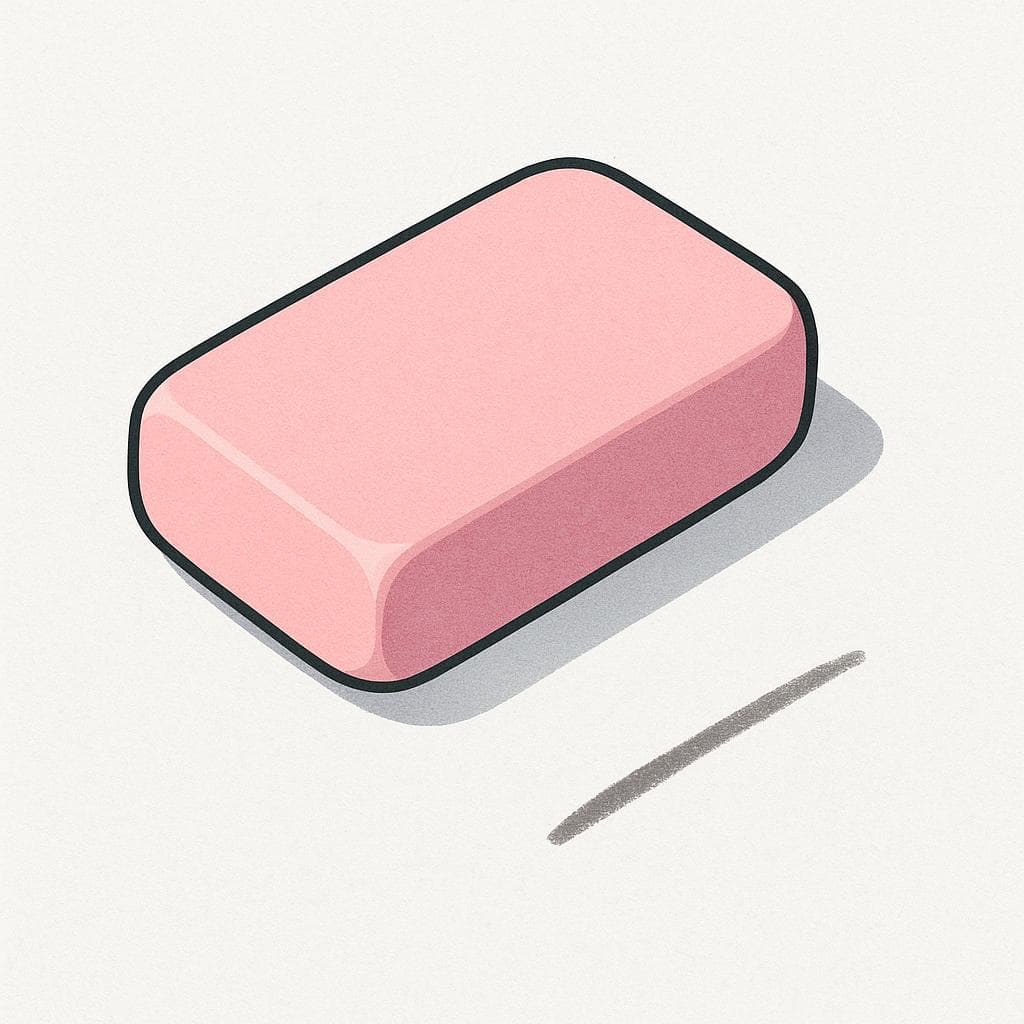
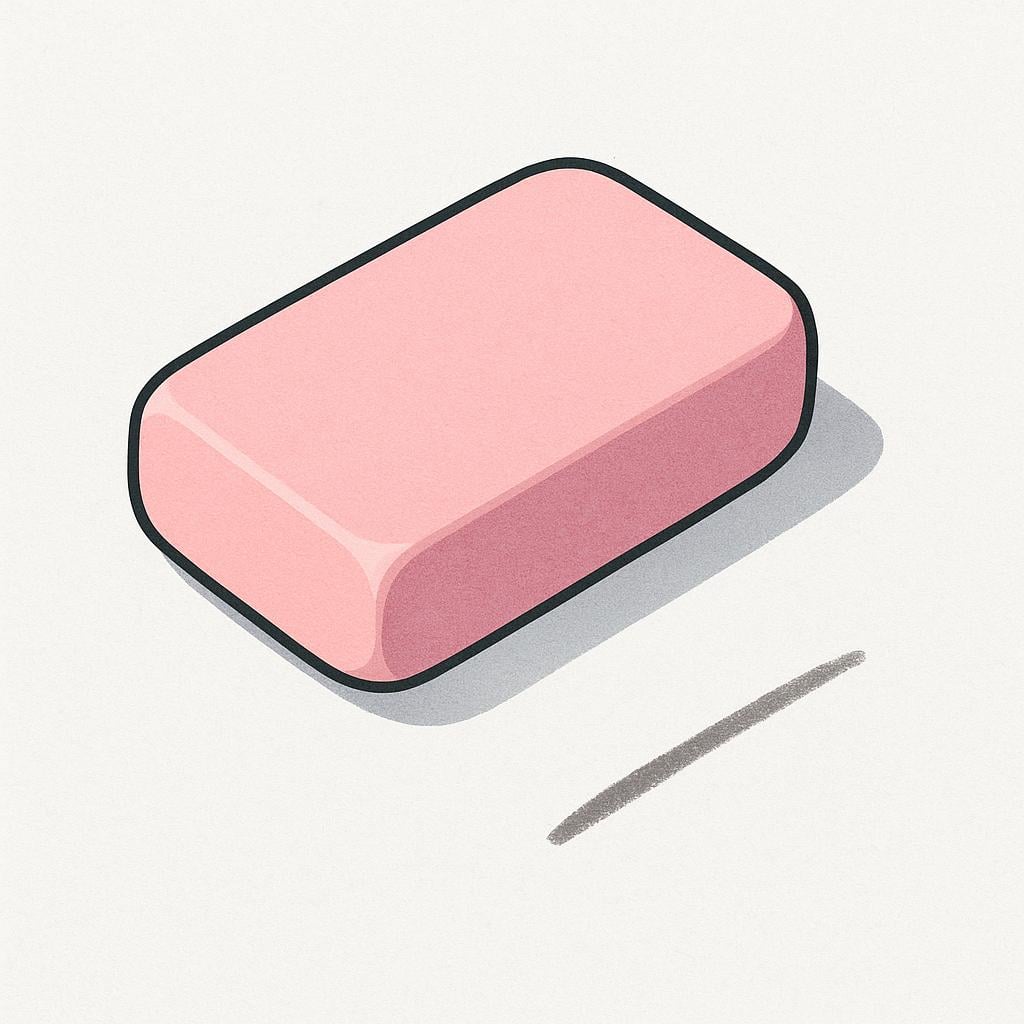
A pink rectangular eraser positioned on a white surface with a faint pencil line visible nearby, suggesting its function.

Goma, meaning 'eraser', is used to correct mistakes made with a pencil.

goma(noun)

fA1

eraser

?

for rubbing out pencil marks

Also:

rubber

?

British English for 'eraser'

📝 In Action

Perdí mi goma y no puedo corregir el dibujo.

A1

I lost my eraser and can't correct the drawing.

Esta goma es muy suave y no rompe el papel.

A2

This eraser is very soft and doesn't tear the paper.

Word Connections

Synonyms

  • borrador (eraser (common in Mexico and parts of Central America))
  • caucho (rubber material)

Common Collocations

  • goma de borrareraser (literally 'rubber for erasing')

💡 Grammar Points

Always Feminine

Remember that 'goma' is always treated as a feminine word, so you must use feminine articles and adjectives, like 'la goma' or 'una goma blanca'.

❌ Common Pitfalls

Mixing up the tool and the action

Mistake: "Voy a gomar esto."

Correction: Voy a borrar esto con una goma. ('Gomar' is not a verb; use 'borrar' for the action of erasing.)

⭐ Usage Tips

Essential School Supply

In a classroom setting, 'goma' is the standard word for the physical tool used to erase pencil marks.

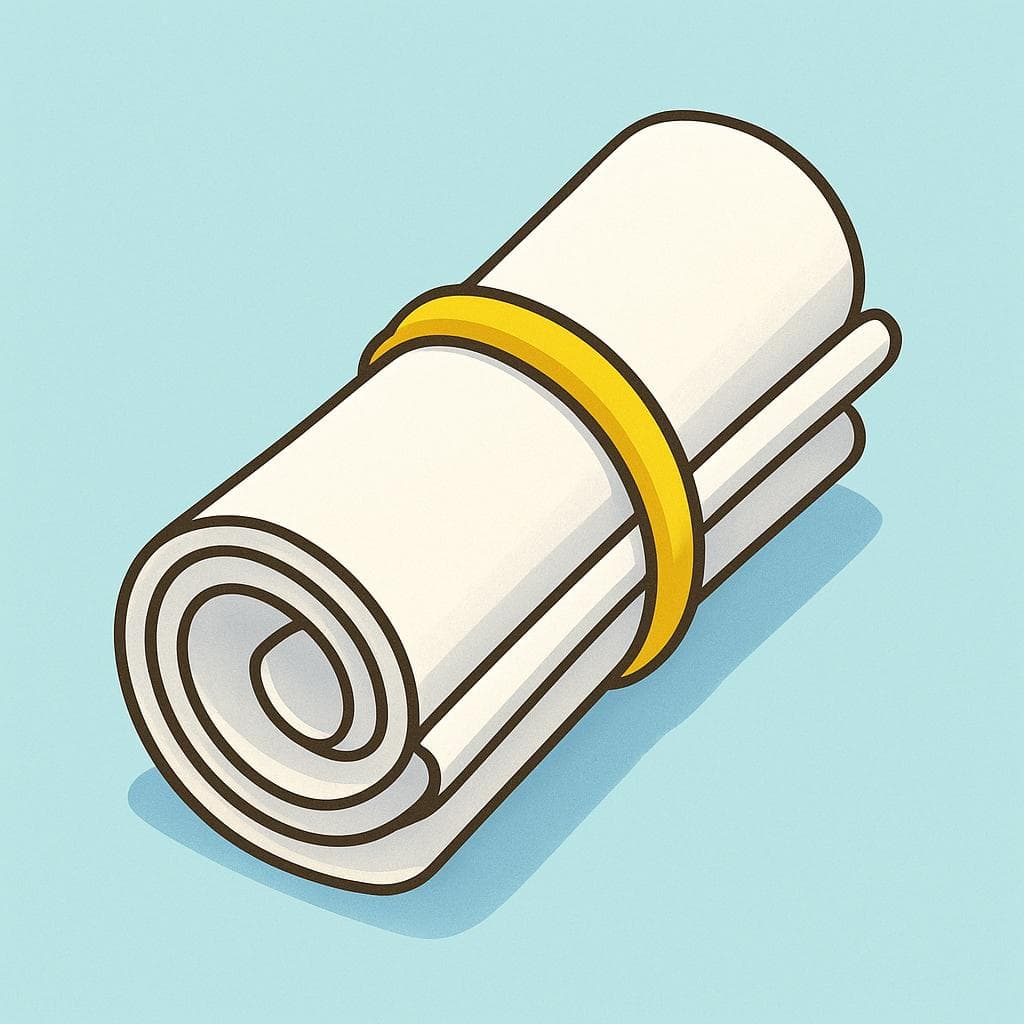
A thick yellow rubber band stretched around a bundle of rolled-up white papers.

As a 'rubber band', goma is a flexible loop used for securing items together.

goma(noun)

fA2

rubber band

?

elastic loop for holding things

Also:

elastic (band)

?

a stretchy band

,

gum

?

the sticky substance

📝 In Action

Necesito una goma para atar este manojo de cables.

A2

I need a rubber band to tie up this bundle of cables.

Se me rompió la goma del pelo.

B1

My hair elastic broke.

Word Connections

Synonyms

  • banda elástica (elastic band)
  • liga (rubber band (common in Mexico and parts of Central America))

Common Collocations

  • goma de pelohair tie/elastic

⭐ Usage Tips

Context is Key

If you are holding papers together, 'goma' means 'rubber band.' If you are correcting a pencil mark, it means 'eraser.' The context usually makes the meaning clear!

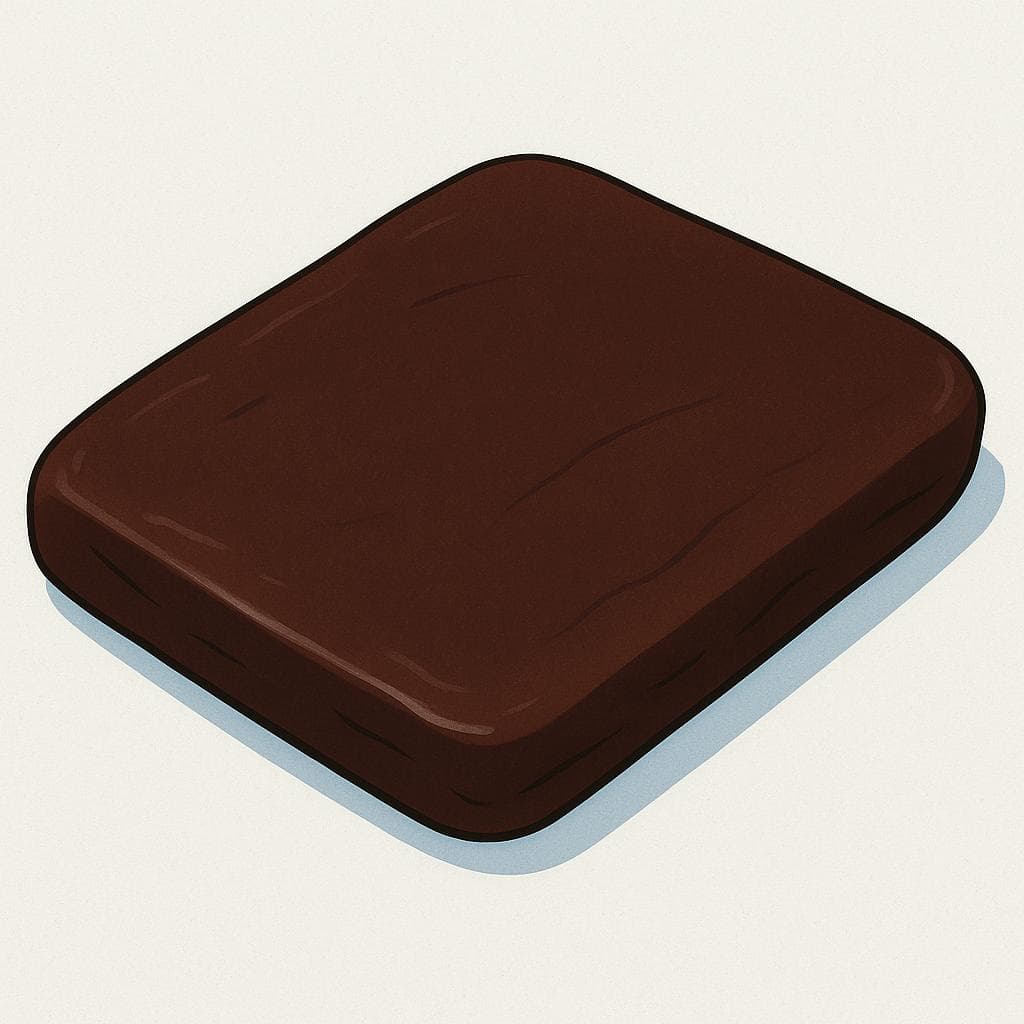
A large, smooth, thick, dark brown sheet of raw processed rubber material resting on a light surface.

Goma refers to 'rubber', the elastic material itself, often derived from trees.

goma(noun)

fB1

rubber

?

the material

Also:

tire

?

regional usage for vehicle tire

📝 In Action

El suelo del gimnasio es de goma para amortiguar los golpes.

B1

The gym floor is made of rubber to cushion the impacts.

Tuvimos que parar porque se nos pinchó una goma.

B2

We had to stop because we got a flat tire. (Regional usage)

Word Connections

Synonyms

  • caucho (rubber (material, often more formal))
  • neumático (tire (standard term))

Common Collocations

  • gomaespumafoam rubber
  • leche de gomalatex

⭐ Usage Tips

Material vs. Product

Use 'goma' when talking about the material itself (like 'wood' or 'metal'). Use 'caucho' if you want a more technical or formal word for rubber.

A pale, simplistic figure sitting slumped at a table, holding their head in their hands, looking unwell. A glass of water is nearby.

When used to mean 'hangover', goma describes the feeling of being ill after drinking excessive alcohol.

goma(noun)

fC1

hangover

?

feeling ill after drinking too much alcohol

📝 In Action

¡Qué goma tengo hoy! No debí beber tanto anoche.

C1

What a hangover I have today! I shouldn't have drunk so much last night.

Word Connections

Synonyms

  • resaca (hangover (standard term in most of Latin America))

Common Collocations

  • tener gomato have a hangover

⭐ Usage Tips

Spain Slang

If you are in Spain and hear this meaning, remember it is very informal. In almost all other Spanish-speaking countries, use 'resaca' for 'hangover'.

✏️ Quick Practice

💡 Quick Quiz: goma

Question 1 of 2

If someone in Madrid says, 'Tengo una goma terrible,' what do they mean?

📚 More Resources

Word Family

Frequently Asked Questions

Why does 'goma' have so many different meanings?

All the meanings are related to the original substance: rubber or gum. The word is used for the material itself, and also for three common objects made from it: the eraser, the rubber band, and, regionally, the tire.

If I ask for a 'goma' in a Latin American stationery store, what will I get?

You will most likely get an 'eraser' (a rubber for pencils). However, in Mexico, you might hear 'borrador' more often, and 'liga' for a rubber band.