grano
“grano” means “grain” in Spanish. It has 2 different meanings depending on context:
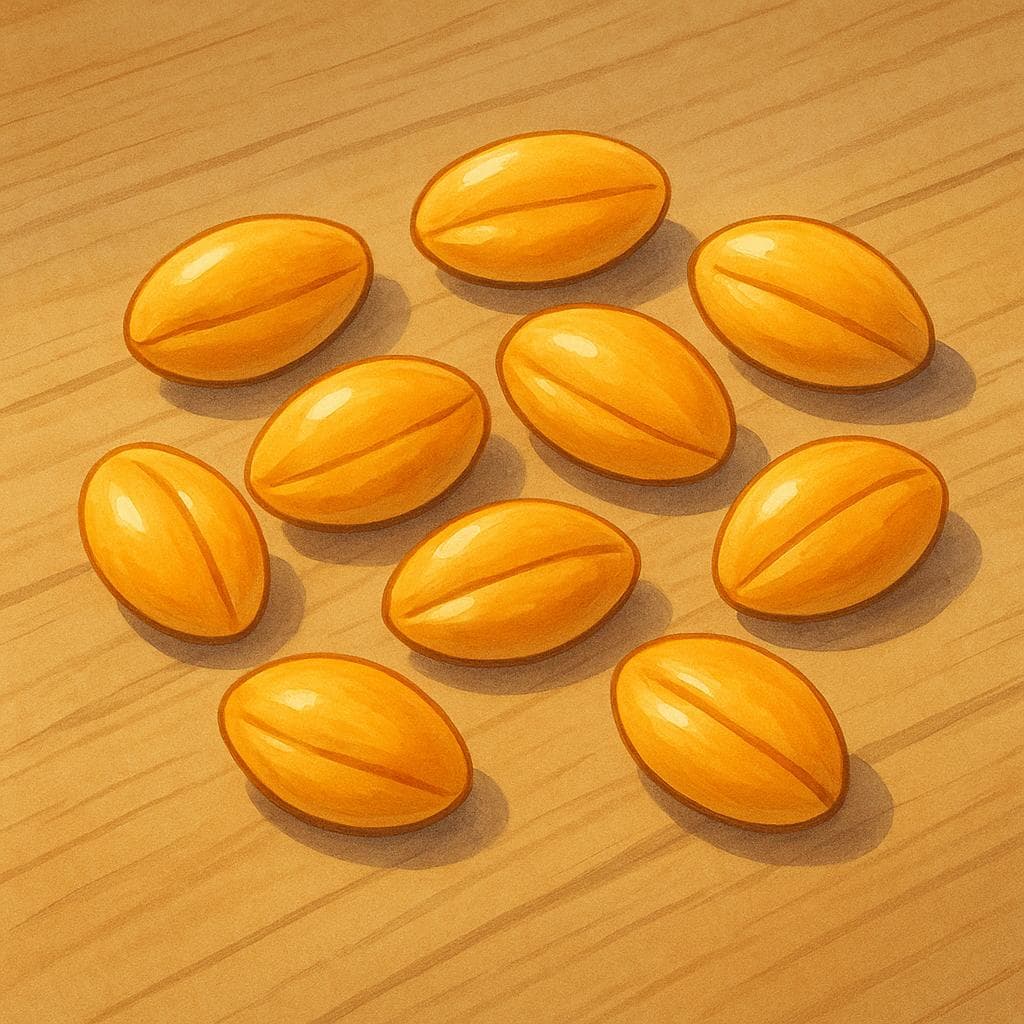

grain, seed
Also: kernel, particle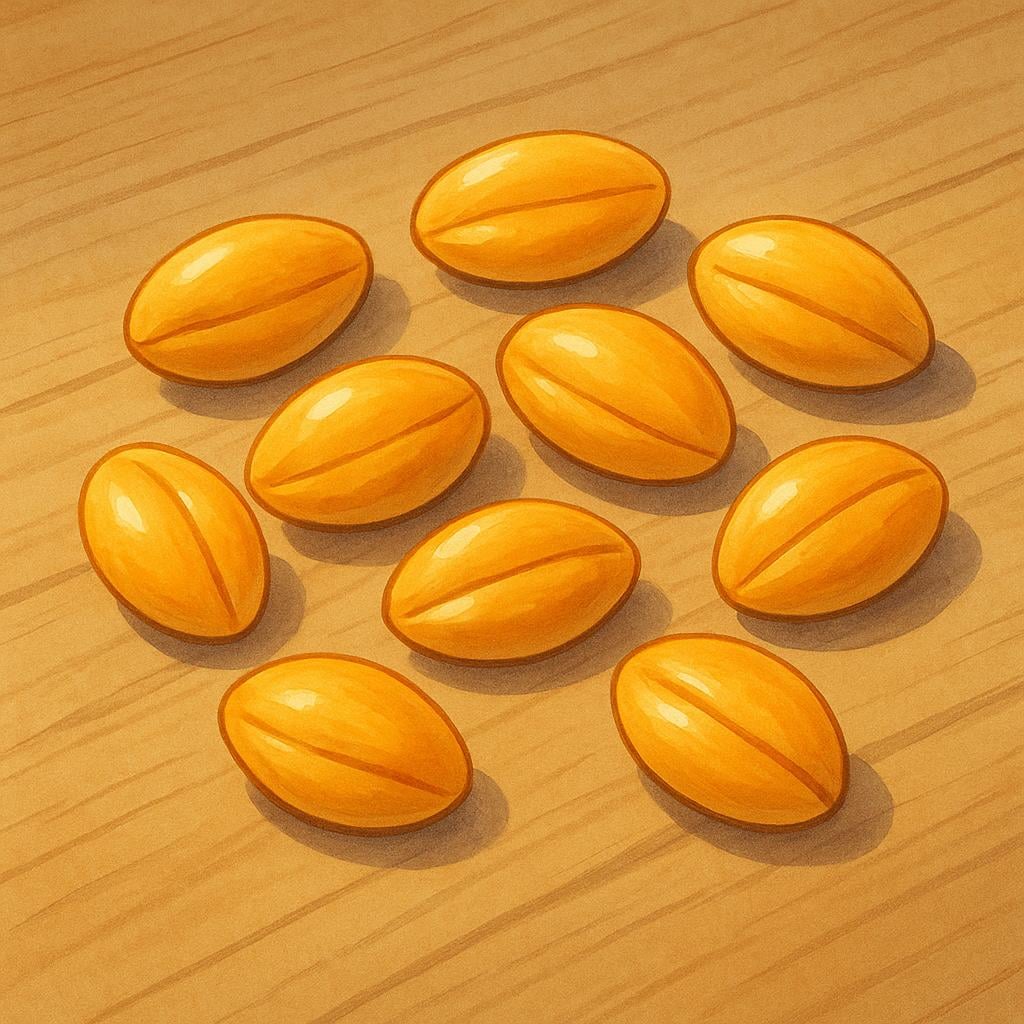
📝 In Action
El agricultor cosechó mucho grano este año.
A1The farmer harvested a lot of grain this year.
Quiero un café hecho con granos enteros.
A2I want a coffee made with whole beans.
Solo queda un grano de arena en el reloj.
B1There is only one grain of sand left in the clock.
pimple, zit
Also: spot
📝 In Action
No te toques el grano, empeorará.
A2Don't touch the pimple, it will get worse.
A mi hermano le salieron muchos granos en la frente.
B1My brother got a lot of spots/pimples on his forehead.
Translate to Spanish
✏️ Quick Practice
Quick Quiz: grano
Question 1 of 1
Which sentence uses 'grano' to mean 'pimple'?
📚 More Resources
👥 Word Family▼
📚 Etymology▼
The word comes directly from the Latin word *granum*, which meant 'seed' or 'grain.' This origin explains both its meaning as a small particle (like a seed) and its meaning as a small lump on the skin (like a small, seed-shaped blemish).
First recorded: 13th century
Cognates (Related words)
💡 Master Spanish
Take your Spanish to the next level. Read 200+ illustrated and narrated Spanish stories tailored to your level with the Inklingo app!
Frequently Asked Questions
Is 'grano' only used for wheat and rice?
No. While it often refers to cereal grains, you can use 'grano' for any small, hard seed or particle, like 'grano de café' (coffee bean) or 'grano de pimienta' (peppercorn).
How do I distinguish between the two main meanings of 'grano'?
Context is key! If you are talking about food, agriculture, or measurement, it means 'grain/seed.' If you are talking about someone's face or skin, it means 'pimple/spot.'