grasa
“grasa” means “fat” in Spanish. It has 2 different meanings depending on context:
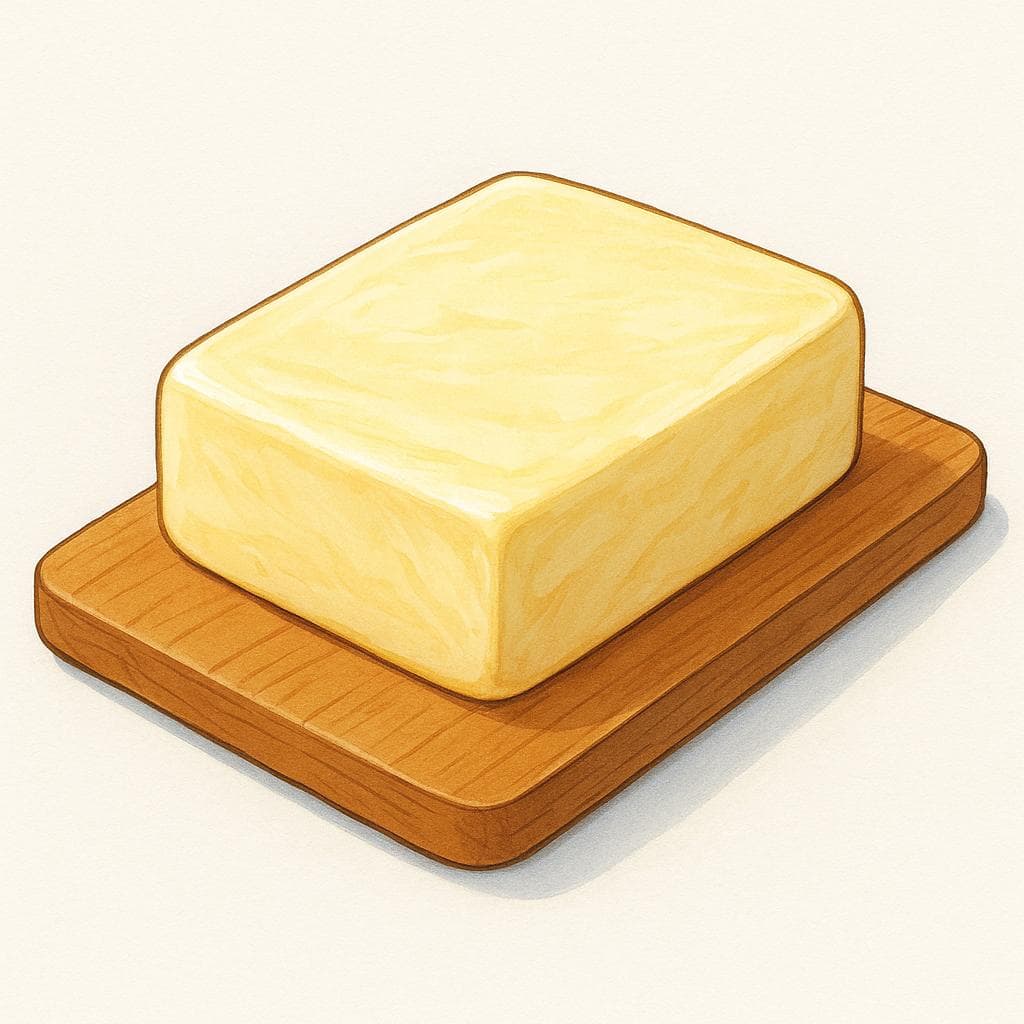
fatAlso: body fat, lard

📝 In Action
La nutricionista me dijo que evite la comida con mucha grasa.
A1The nutritionist told me to avoid food with a lot of fat.
Perdí cinco kilos de grasa corporal después de entrenar.
A2I lost five kilos of body fat after training.
Word Connections
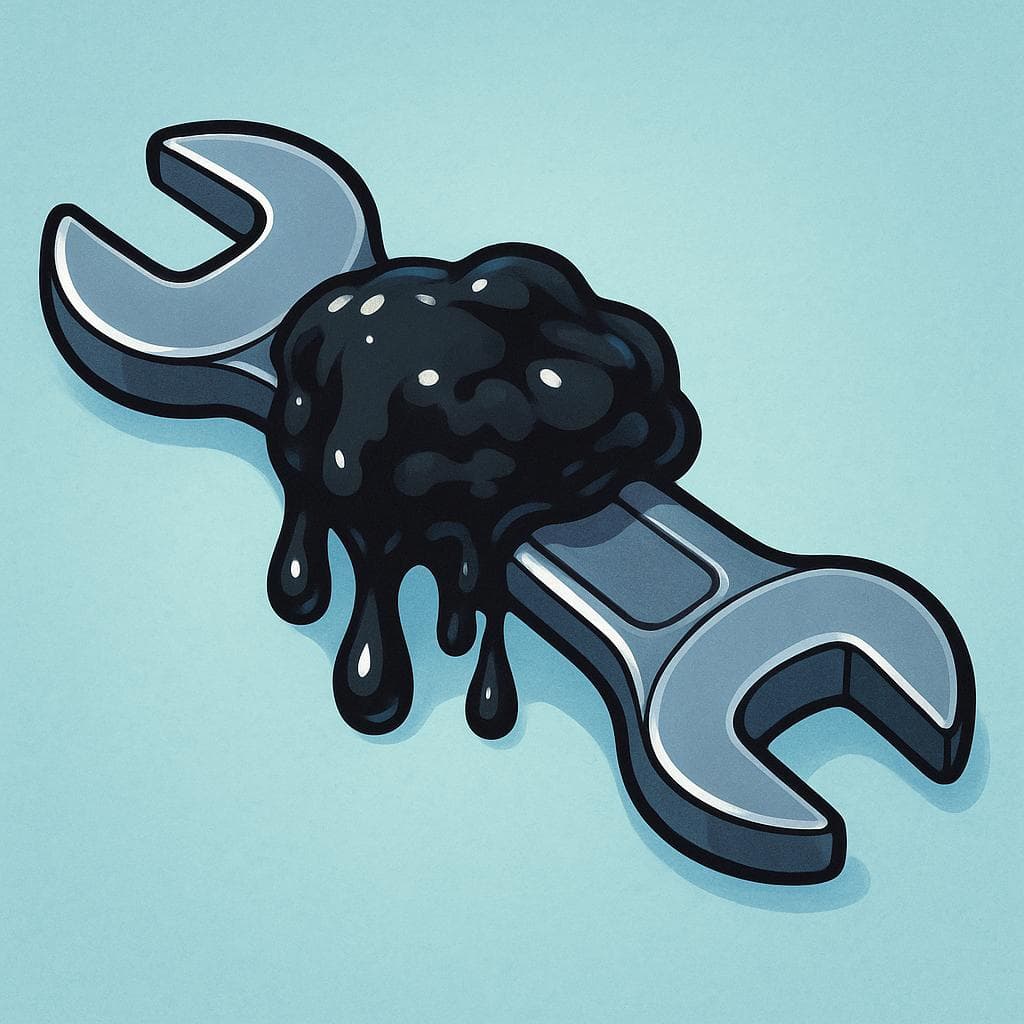
greaseAlso: oil, dirt/grime

📝 In Action
Hay que limpiar la grasa que se acumuló en el motor.
A2We have to clean the grease that accumulated on the engine.
El mecánico aplicó más grasa al eje para que no chirriara.
B1The mechanic applied more grease to the axle so it wouldn't squeak.
Word Connections
✏️ Quick Practice
Quick Quiz: grasa
Question 1 of 2
Which sentence uses 'grasa' to talk about machinery, not food?
📚 More Resources
👥 Word Family
📚 Etymology
The word 'grasa' comes from the Latin word *crassus*, which meant 'thick' or 'fat.' This root also gave rise to the English word 'crass' (meaning crude or coarse).
First recorded: Medieval Spanish (around the 13th century)
Cognates (Related words)
💡 Master Spanish
Take your Spanish to the next level. Read 200+ illustrated and narrated Spanish stories tailored to your level with the Inklingo app!
Frequently Asked Questions
Is 'grasa' countable or uncountable?
'Grasa' is typically used as an uncountable noun, referring to the substance in general (e.g., 'mucha grasa' - a lot of fat). However, in specific contexts, you might hear plural forms when referring to different types of fats (e.g., 'las grasas saturadas' - saturated fats).
How is 'grasa' different from 'aceite' (oil)?
'Grasa' is usually thicker and solid at room temperature (like butter or lard, or thick mechanical grease). 'Aceite' is liquid (like olive oil or motor oil). However, sometimes 'grasa' is used loosely to mean heavy, built-up oil/grime.