hacha
“hacha” means “axe” in Spanish. It has 2 different meanings depending on context:
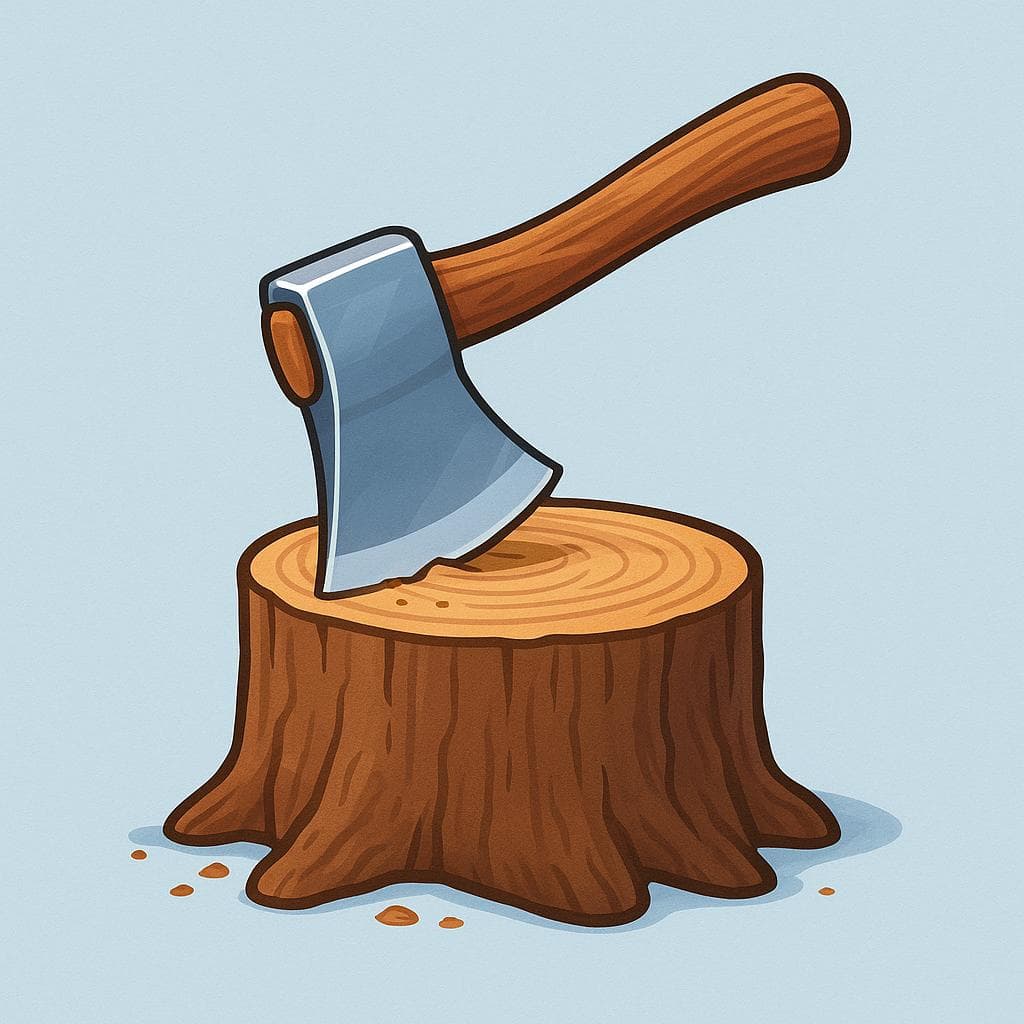

axe, hatchet
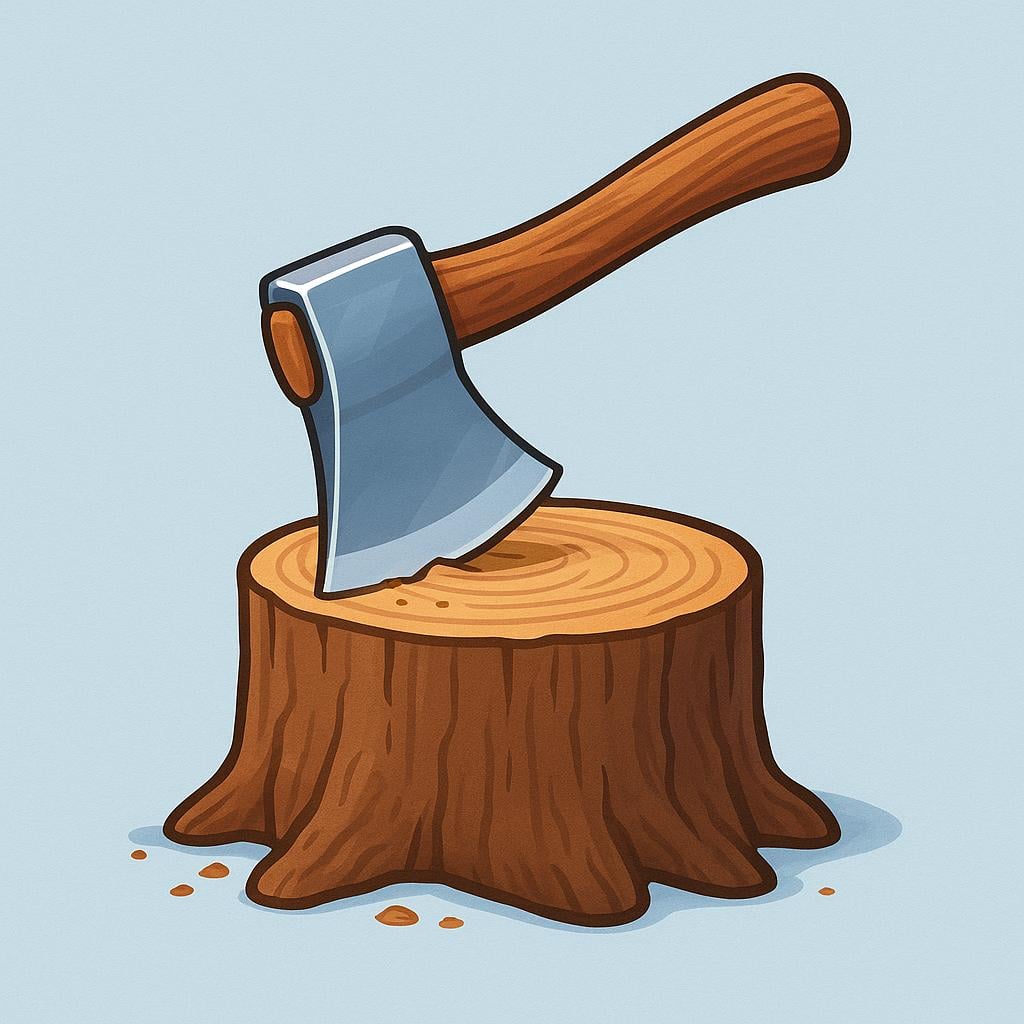
📝 In Action
El leñador afiló el hacha antes de ir al bosque.
A1The lumberjack sharpened the axe before going to the forest.
Necesitas un hacha para cortar esa madera gruesa.
A2You need an axe to cut that thick wood.
Las hachas estaban colgadas en la pared del cobertizo.
B1The axes were hanging on the wall of the shed.
whiz, ace
Also: expert
📝 In Action
Mi primo es un hacha en la programación de computadoras.
B2My cousin is a whiz at computer programming.
Ella es un hacha para los negocios, siempre cierra los mejores tratos.
C1She is an ace at business; she always closes the best deals.
✏️ Quick Practice
Quick Quiz: hacha
Question 1 of 2
Which sentence correctly uses the article and adjective with 'hacha' (axe)?
📚 More Resources
👥 Word Family▼
🎵 Rhymes▼
📚 Etymology▼
The word comes from the Old French 'hache,' which has Germanic roots (like the English word 'axe'). It has been used in Spanish since the Middle Ages to describe the essential chopping tool.
First recorded: 13th century
Cognates (Related words)
💡 Master Spanish
Take your Spanish to the next level. Read 200+ illustrated and narrated Spanish stories tailored to your level with the Inklingo app!
Frequently Asked Questions
Why do I use 'el' before 'hacha' if it is a feminine word?
This is a special rule in Spanish for feminine nouns that start with a stressed 'a' or 'ha' sound (like 'agua' or 'águila'). We use 'el' instead of 'la' purely for pronunciation—it sounds better and flows more easily. But remember, the word itself is still feminine!
Can I use 'hacha' to describe a woman who is skilled?
Yes! The figurative meaning 'whiz' or 'ace' is gender-neutral. You would say 'Ella es un hacha en la cocina' (She is an ace in the kitchen).