hada
“hada” means “fairy” in Spanish (mythical creature).
fairy
Also: sprite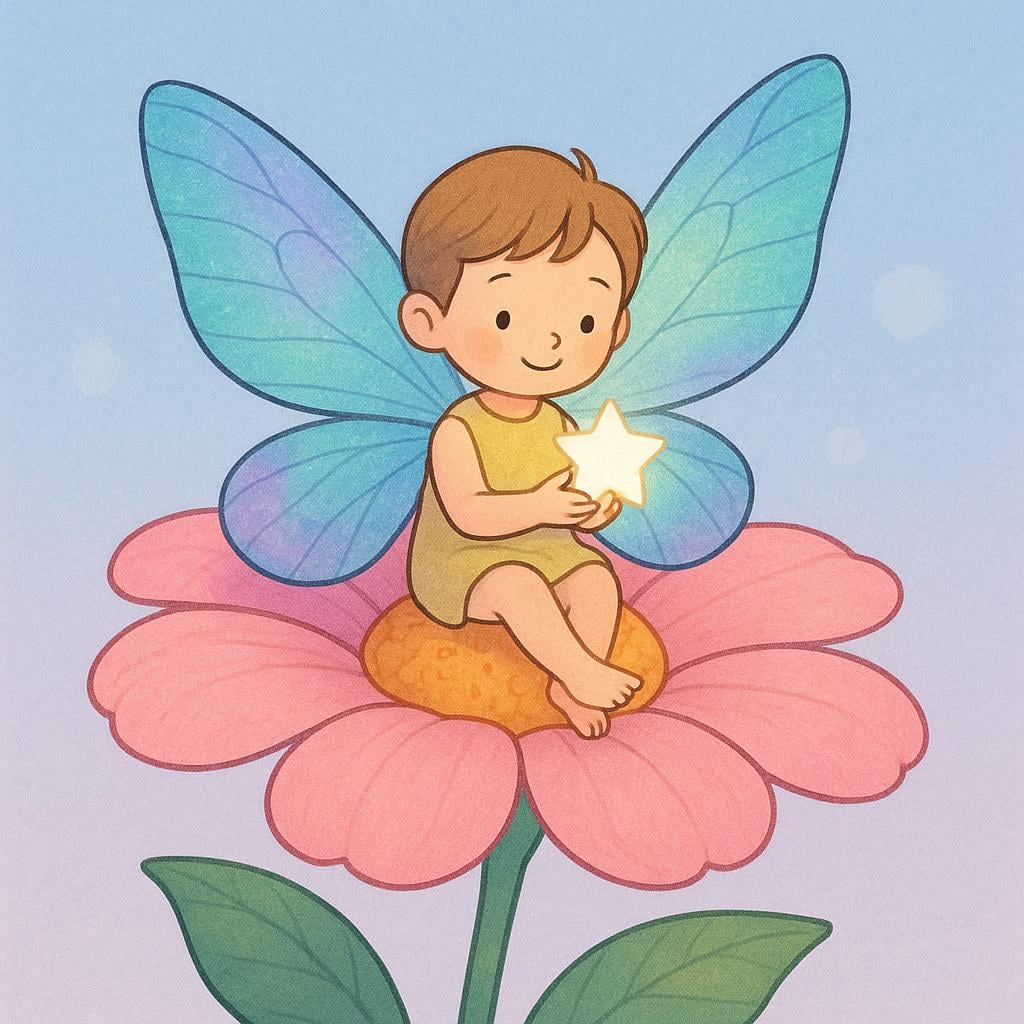
📝 In Action
El hada madrina convirtió la calabaza en un carruaje.
A1The fairy godmother turned the pumpkin into a carriage.
Mi hermana pequeña cree que las hadas le traen regalos.
A2My little sister believes that fairies bring her gifts.
Dicen que el hada de los dientes visita a los niños por la noche.
B1They say the tooth fairy visits children at night.
✏️ Quick Practice
Quick Quiz: hada
Question 1 of 1
Which sentence correctly uses the article with 'hada'?
📚 More Resources
👥 Word Family▼
📚 Etymology▼
The word 'hada' comes from the Latin word *fātum*, which meant 'fate' or 'destiny.' Over time, this evolved into the idea of a powerful woman or spirit who controlled a person's fate.
First recorded: 13th century
Cognates (Related words)
💡 Master Spanish
Take your Spanish to the next level. Read 200+ illustrated and narrated Spanish stories tailored to your level with the Inklingo app!
Frequently Asked Questions
Why do we say 'el hada' if 'hada' is a feminine noun?
This is a special pronunciation rule in Spanish. When a feminine noun starts with a stressed 'a' sound (like 'hada'), we temporarily swap 'la' for 'el' to prevent the two 'a' sounds from running together, making it easier to say. The word itself is still feminine, though!
Does this rule apply to other words?
Yes, it applies to other feminine words that start with a stressed 'a' sound, such as 'el agua' (the water) and 'el águila' (the eagle). But remember, only in the singular form!