hermanita
“hermanita” means “little sister” in Spanish. It has 2 different meanings depending on context:
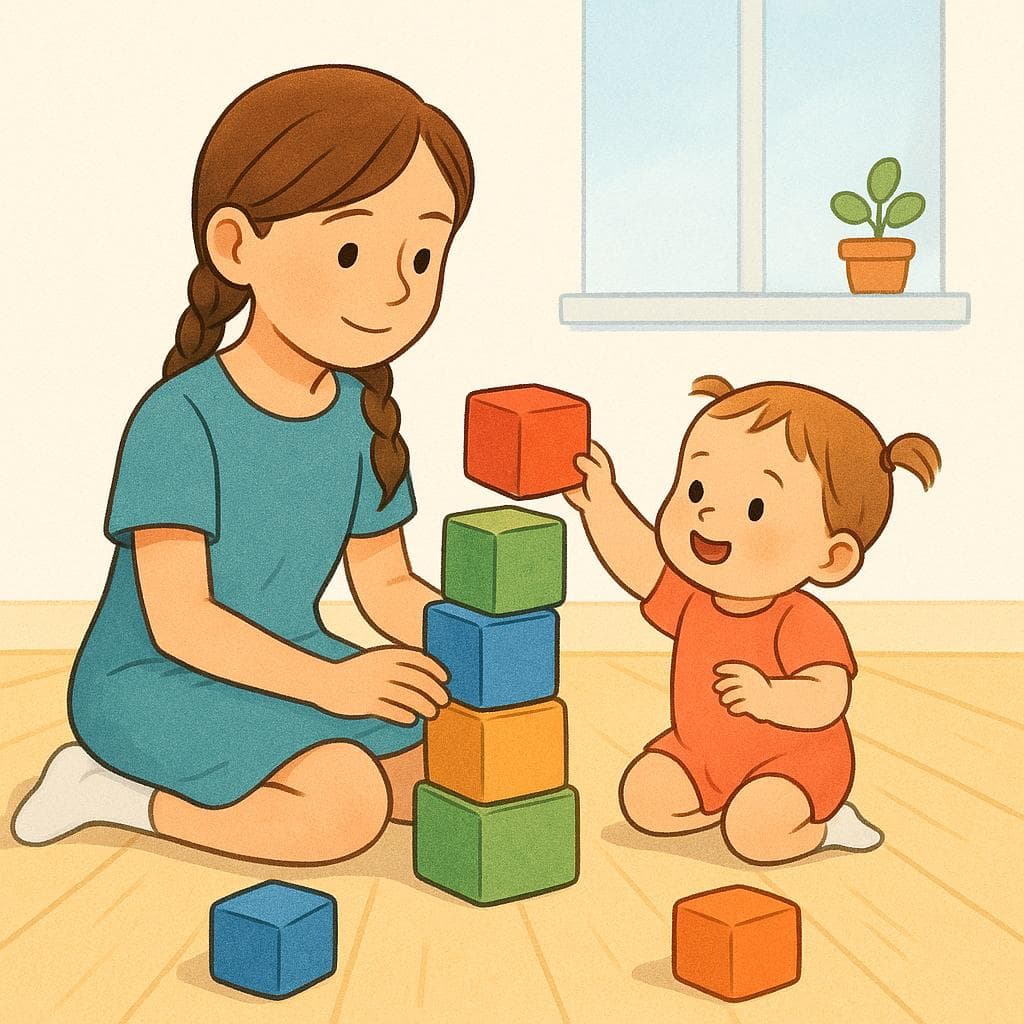

little sister, dear sisterAlso: younger sister
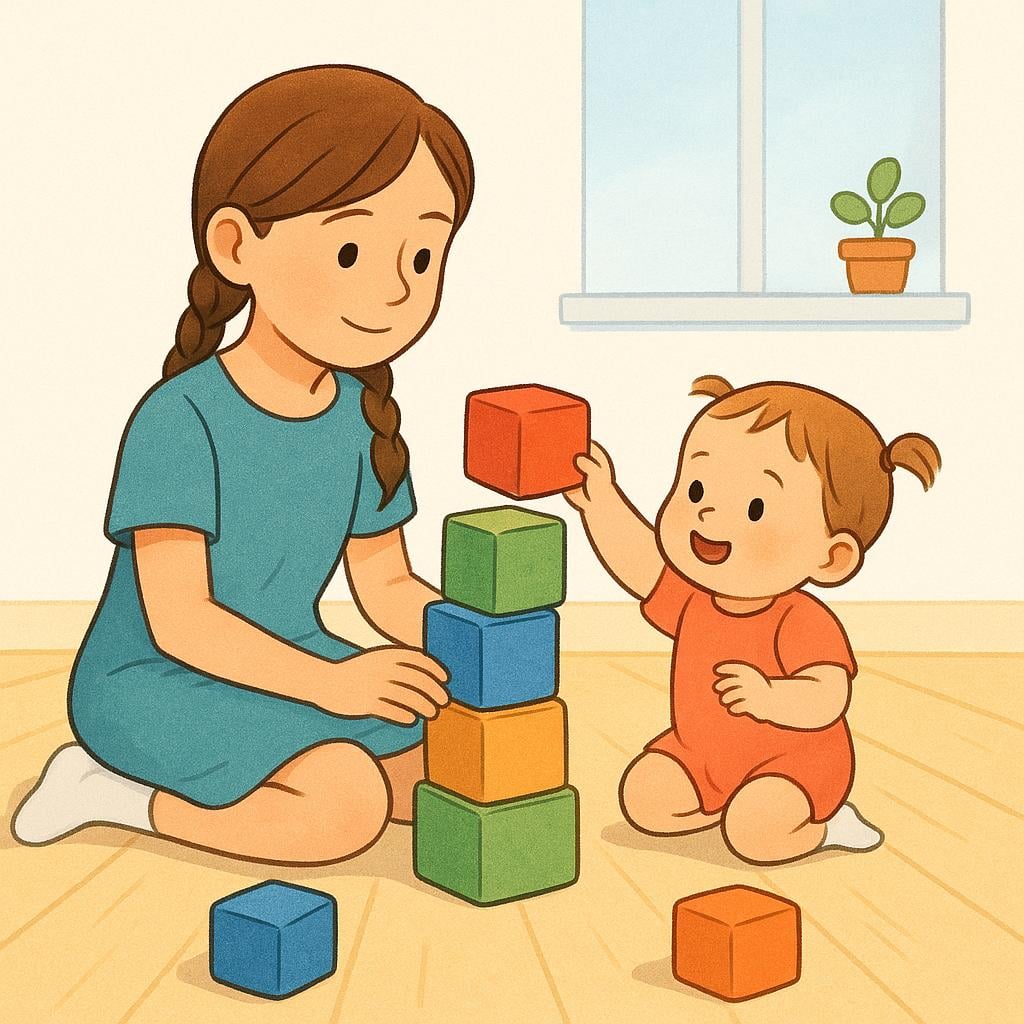
📝 In Action
Mi hermanita tiene solo cinco años y le encanta dibujar.
A1My little sister is only five years old and she loves to draw.
¡Hola, hermanita! ¿Cómo te fue en el colegio hoy?
A2Hello, dear sister! How was school today?
Word Connections
sisterAlso: sister

📝 In Action
La hermanita María cuida de los enfermos en el hospital de la misión.
B1Sister María takes care of the sick people at the mission hospital.
¡Qué alegría verte, hermanita! Hace mucho que no hablamos.
B2What a joy to see you, sister! It’s been a while since we talked. (Used between very close female friends)
Word Connections
Translate to Spanish
Words that translate to "hermanita" in Spanish:
✏️ Quick Practice
Quick Quiz: hermanita
Question 1 of 2
If someone says 'Es mi hermanita, aunque es mayor que yo,' what does 'hermanita' most likely convey?
📚 More Resources
👥 Word Family
🎵 Rhymes
📚 Etymology
This word comes from the noun 'hermana' (sister), which traces back through Old Spanish to the Latin word *germanus* (meaning 'full brother' or 'sibling'). The word 'hermanita' is created by adding the very common Spanish diminutive suffix '-ita,' which makes the word sound smaller, younger, or more cherished.
First recorded: Medieval Spanish
Cognates (Related words)
💡 Master Spanish
Take your Spanish to the next level. Read 200+ illustrated and narrated Spanish stories tailored to your level with the Inklingo app!
Frequently Asked Questions
What is the difference between 'hermana' and 'hermanita'?
'Hermana' is the neutral word for 'sister.' 'Hermanita' is the diminutive form, which adds a layer of affection, indicating she is either younger, small, or, most commonly, very dear to the speaker.
Can I use 'hermanita' for a friend who isn't my sister?
Yes, absolutely! In many Spanish-speaking countries, especially informally, 'hermanita' (or 'hermana') is used between very close female friends to show a bond as strong as family.