hierba
“hierba” means “grass” in Spanish. It has 3 different meanings depending on context:



grass
Also: turf
📝 In Action
Necesito cortar la hierba del jardín este fin de semana.
A1I need to cut the grass in the garden this weekend.
Nos sentamos en la hierba para hacer un picnic.
A2We sat on the grass to have a picnic.
herb
Also: weed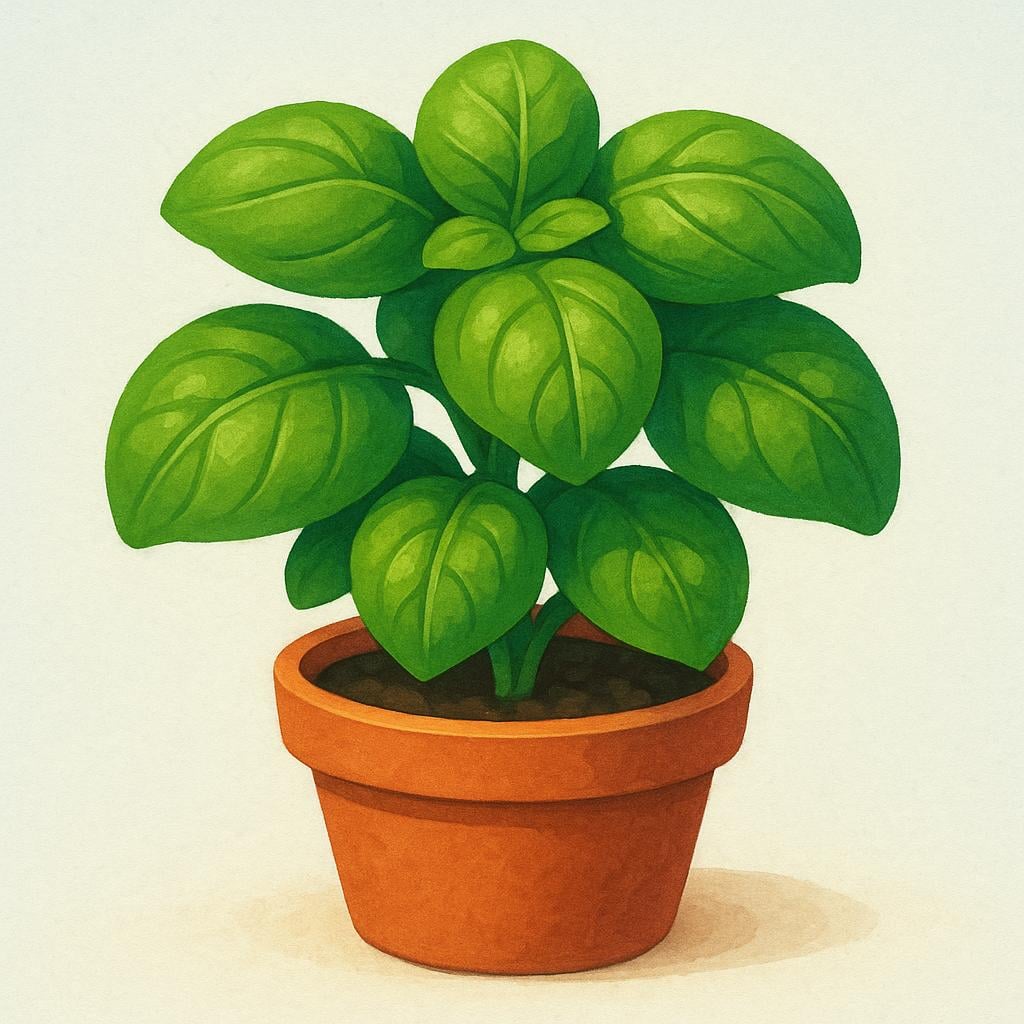
📝 In Action
Esta hierba es muy buena para hacer té digestivo.
B1This herb is very good for making digestive tea.
Compramos hierbas aromáticas para condimentar la carne.
B2We bought aromatic herbs to season the meat.
weed
Also: pot
📝 In Action
Dicen que van a legalizar la venta de hierba en el estado vecino.
C1They say they are going to legalize the sale of weed in the neighboring state.
✏️ Quick Practice
Quick Quiz: hierba
Question 1 of 2
Which sentence uses 'hierba' to refer to a culinary ingredient?
📚 More Resources
👥 Word Family▼
📚 Etymology▼
The word 'hierba' comes directly from the Latin word *herba*, which had the same meaning: grass, plant, or herb. The 'h' sound in Latin was kept in writing but became silent in Spanish, and the short 'e' vowel turned into the 'ie' sound we hear today.
First recorded: 10th century
Cognates (Related words)
💡 Master Spanish
Take your Spanish to the next level. Read 200+ illustrated and narrated Spanish stories tailored to your level with the Inklingo app!
Frequently Asked Questions
Is there a difference between 'hierba' and 'césped'?
Yes, usually. 'Césped' specifically refers to a manicured lawn or turf, like on a soccer field or in a backyard. 'Hierba' is a more general term for any type of grass or small green plant.
Why is the 'h' silent in 'hierba'?
The 'h' in Spanish is silent because it was lost in pronunciation as the language evolved from Latin. It is kept in writing mainly for historical reasons, but it doesn't make any sound.