hockey
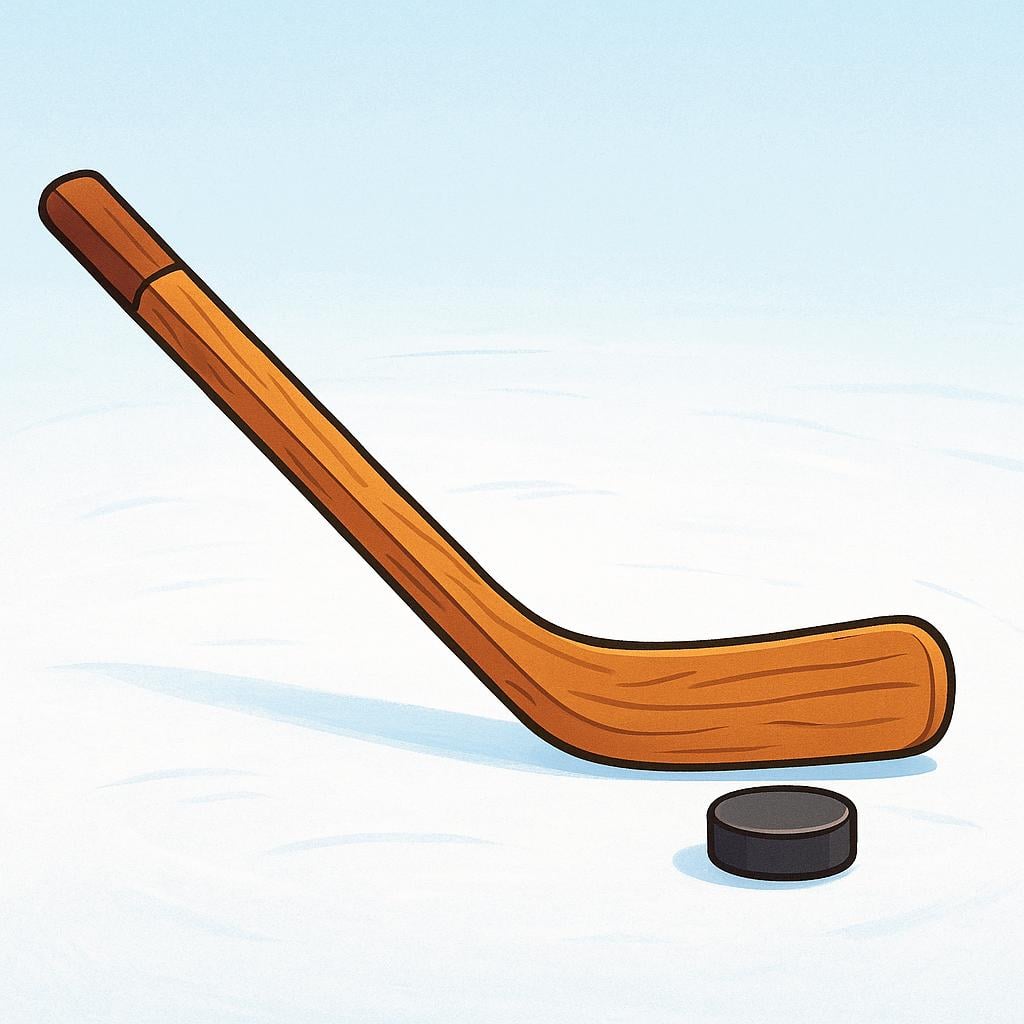
“hockey” means “hockey” in Spanish (The sport played with sticks).
hockeyAlso: field hockey, ice hockey
📝 In Action
El hockey sobre hielo es un deporte muy rápido y emocionante.
B1Ice hockey is a very fast and exciting sport.
Mi primo juega al hockey en el equipo del colegio.
A2My cousin plays hockey on the school team.
Para jugar al hockey necesitas un palo y un disco o una pelota.
B1To play hockey you need a stick and a puck or a ball.
Word Connections
Translate to Spanish
Words that translate to "hockey" in Spanish:
✏️ Quick Practice
Quick Quiz: hockey
Question 1 of 1
Which sentence correctly uses the Spanish word 'hockey'?
📚 More Resources
👥 Word Family
🎵 Rhymes
📚 Etymology
This word comes directly from English, where it originated, possibly evolving from the Old French word 'hoquet' meaning 'shepherd's crook'—a shape similar to the modern hockey stick.
First recorded: 19th century (in its modern sporting context)
Cognates (Related words)
💡 Master Spanish
Take your Spanish to the next level. Read 200+ illustrated and narrated Spanish stories tailored to your level with the Inklingo app!
Frequently Asked Questions
Do I need to specify 'sobre hielo' or 'sobre hierba' every time I use 'hockey'?
Not usually! If you are in a country where one version is clearly dominant (like ice hockey in Canada or field hockey in Argentina), the context is usually clear. Only specify if there is a risk of confusion.
Why is the initial 'h' sometimes pronounced like a Spanish 'j' (like the English 'h') and sometimes silent?
Since 'hockey' is a foreign word, its pronunciation varies greatly. In some regions, the 'h' is pronounced strongly, similar to a Spanish 'j' sound. In other regions, particularly in Latin America, the 'h' is often ignored, and the word sounds more like 'O-key'.