hoja
“hoja” means “leaf” in Spanish. It has 3 different meanings depending on context:
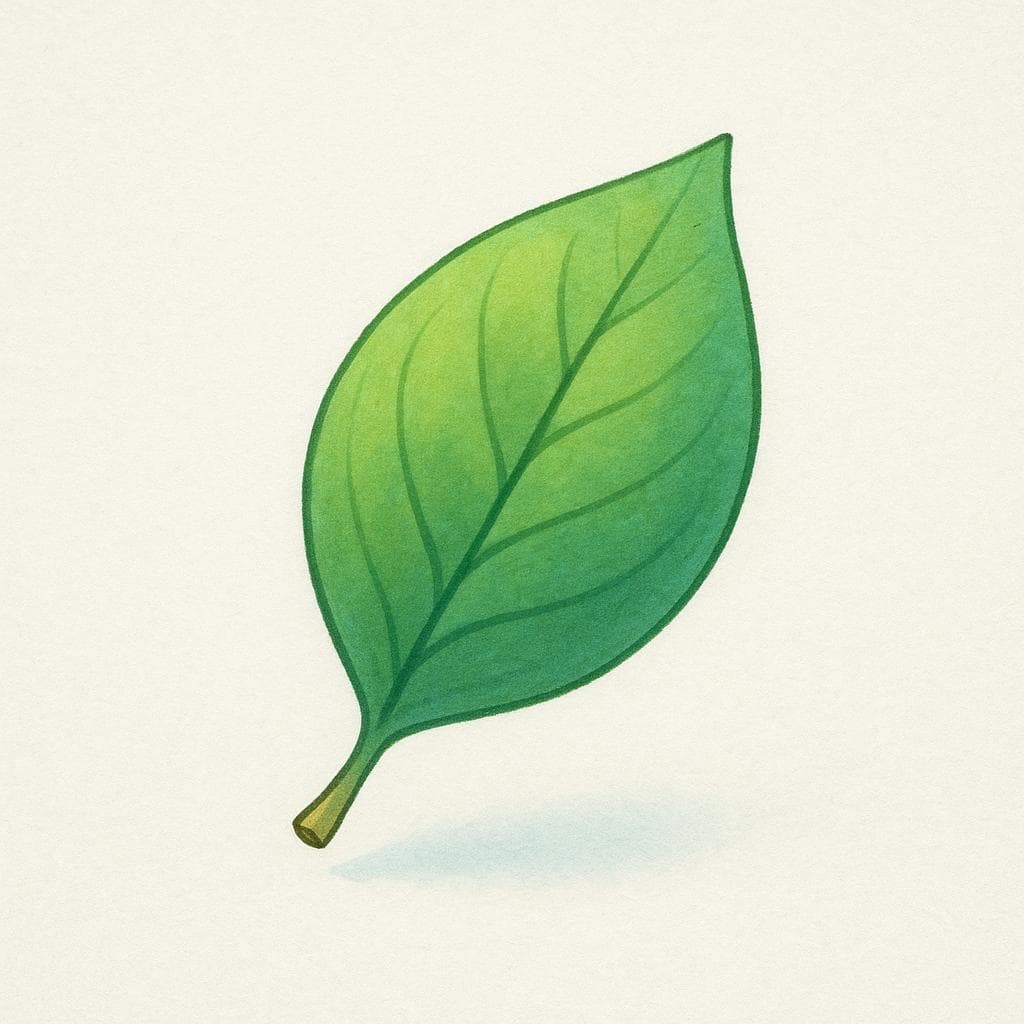


leaf
Also: foliage
📝 In Action
La ardilla escondió la nuez debajo de una hoja grande.
A1The squirrel hid the nut under a large leaf.
En otoño, las hojas cambian de color.
A2In autumn, the leaves change color.
sheet
Also: page
📝 In Action
Necesito una hoja de papel para escribir una nota.
A1I need a sheet of paper to write a note.
Por favor, firma al final de la última hoja del contrato.
B1Please sign at the end of the last page of the contract.
Imprimió el informe en veinte hojas.
A2He printed the report on twenty sheets.
blade
Also: pane, sheet
📝 In Action
La hoja del cuchillo estaba muy afilada.
B1The blade of the knife was very sharp.
El carpintero cortó una hoja de madera fina.
B2The carpenter cut a thin sheet of wood.
El molino tiene tres grandes hojas que giran con el viento.
B2The windmill has three large blades that turn with the wind.
✏️ Quick Practice
Quick Quiz: hoja
Question 1 of 1
Which sentence uses 'hoja' to refer to a component of a tool?
📚 More Resources
👥 Word Family▼
🎵 Rhymes▼
📚 Etymology▼
The word 'hoja' comes from the Latin word *folia*. Interestingly, *folia* was actually the plural form of the word for 'leaf' (*folium*), but over time, Spanish speakers started using this plural form as a singular feminine noun.
First recorded: Around the 10th century
Cognates (Related words)
💡 Master Spanish
Take your Spanish to the next level. Read 200+ illustrated and narrated Spanish stories tailored to your level with the Inklingo app!
Frequently Asked Questions
How do I distinguish between 'hoja' (sheet) and 'página' (page)?
'Hoja' refers to the physical piece of paper, which has two sides. 'Página' refers to one side of that sheet, usually numbered in a book or document. If you print on both sides, one 'hoja' contains two 'páginas.'
Why is 'hoja' feminine if it sounds like it should follow the 'el' rule (e.g., el agua)?
The rule about using 'el' instead of 'la' before feminine nouns that start with a stressed 'a' sound (like 'agua' or 'águila') does not apply to words starting with 'ho-' like 'hoja.' 'Hoja' is always feminine: 'la hoja.'