hormigas
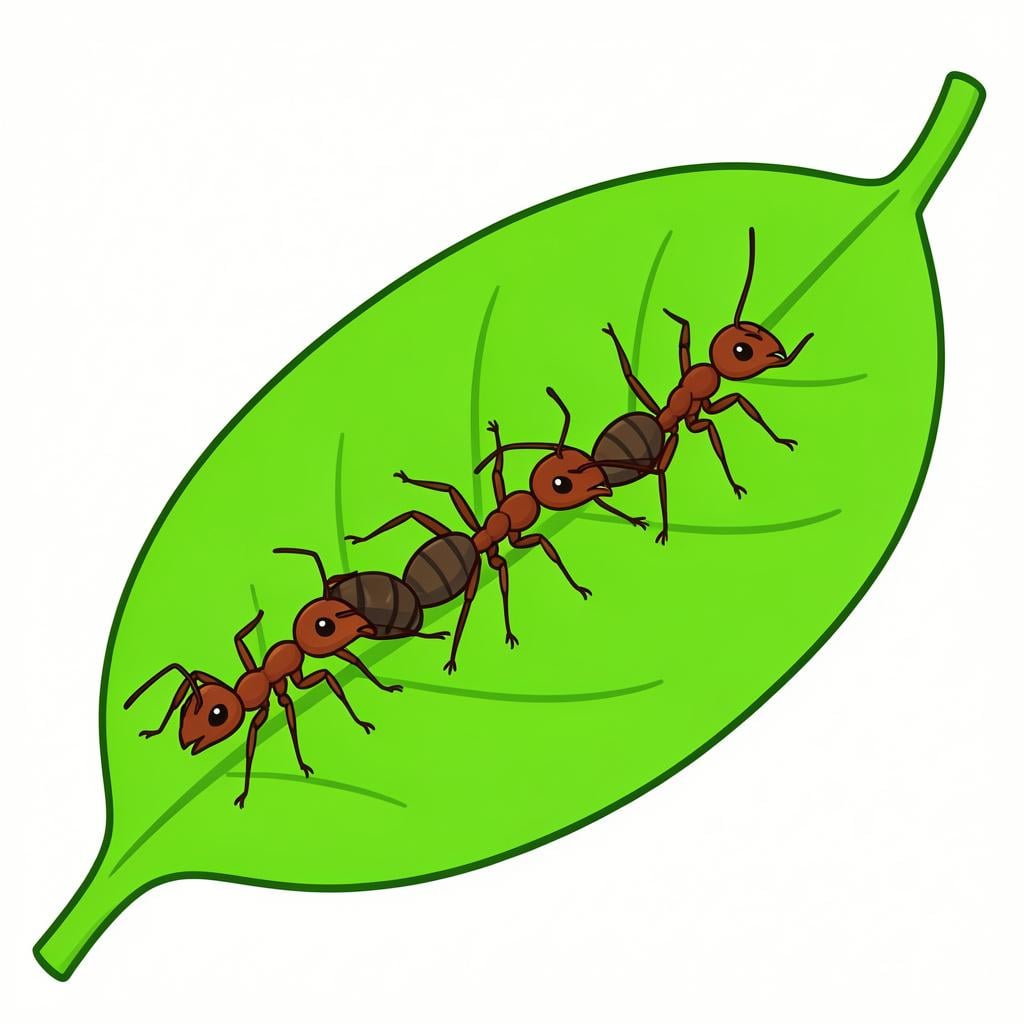
“hormigas” means “ants” in Spanish (the plural form of the small social insect).
antsAlso: pins and needles
📝 In Action
Las hormigas están llevando hojas a su hormiguero.
A1The ants are carrying leaves to their anthill.
Había un camino de hormigas en la cocina.
A2There was a trail of ants in the kitchen.
Siento hormigas en mi pierna porque se me durmió.
B1I feel pins and needles in my leg because it fell asleep.
Word Connections
Translate to Spanish
Words that translate to "hormigas" in Spanish:
✏️ Quick Practice
Quick Quiz: hormigas
Question 1 of 2
Which article should you use with 'hormigas'?
📚 More Resources
👥 Word Family
🎵 Rhymes
📚 Etymology
From the Latin word 'formīca,' which referred to the same insect.
First recorded: 13th century
Cognates (Related words)
💡 Master Spanish
Take your Spanish to the next level. Read 200+ illustrated and narrated Spanish stories tailored to your level with the Inklingo app!
Frequently Asked Questions
Is there a masculine version of this word for a male ant?
No. In Spanish, 'hormiga' is an epicene noun, meaning the same word is used for both males and females. If you need to specify, you would say 'hormiga macho' or 'hormiga hembra.'
Does 'hormigas' always refer to insects?
While it usually refers to insects, it is very common to use it to describe that prickly 'pins and needles' feeling when a limb falls asleep.